

How To Get Unbanned from Valorant: Ban Appeal Guide
Getting banned in Valorant feels brutal, especially when you lose access to your account, skins, rank, and all the progress you’ve built up over time. Riot’s anti-cheat system is extremely strict, and while most bans are legitimate, false detections, login issues, connection spikes, or even shared devices can still lead to an unexpected restriction. The good news is that Riot does allow players to appeal certain bans, and if you understand how their system works, you have a real shot at getting your account back. In this guide, we break down why Valorant accounts get banned, the different types of bans Riot issues, how the appeal process works, and what to include in your ticket so you have the best possible chance of getting unbanned. This is everything you need in one place—simple, clear, and actually useful.
Valorant Ban Types: Temporary, Permanent, and Account Restrictions
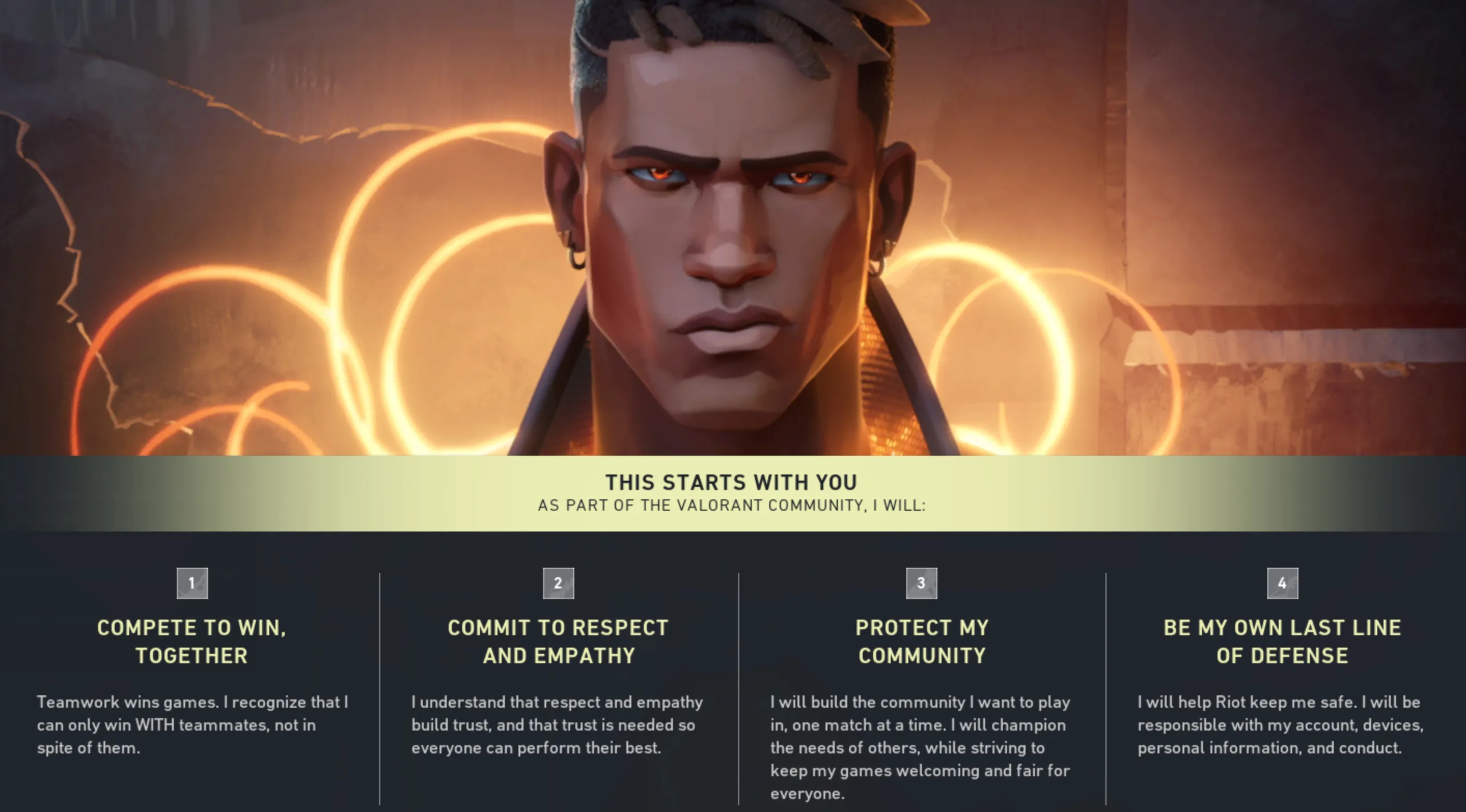
Riot has several different punishment levels in Valorant depending on what rule you break, and understanding the difference helps you figure out what kind of appeal you need. The lightest action is a chat restriction, which blocks your ability to use text or voice for a set amount of time but keeps your account playable. The next level is a temporary game ban, which usually lasts anywhere from a few hours up to 7, 30, or even 90 days depending on the severity of the violation. During this period you lose access to all matchmaking, ranked, and gameplay features, but your skins, progress, and account data stay untouched. More serious violations—like cheating, third-party software, or repeated disruptive behavior—lead to a permanent Valorant ban, which locks the account forever and removes access to all purchased cosmetics. Riot can also issue a hardware ID ban, which blocks your entire system from playing Valorant, meaning you can’t make new accounts or bypass the restriction on the same PC. Finally, some players receive communication bans or game-queue restrictions for dodging, AFKing, griefing, or toxic behavior. These don’t delete anything on your account but slow your progress and limit matchmaking until you complete penalty games. Riot doesn’t “auto-reset” ban history over time—every violation stays linked to your account, which is why repeated incidents lead to harsher punishments.
Why You Got Banned From Valorant
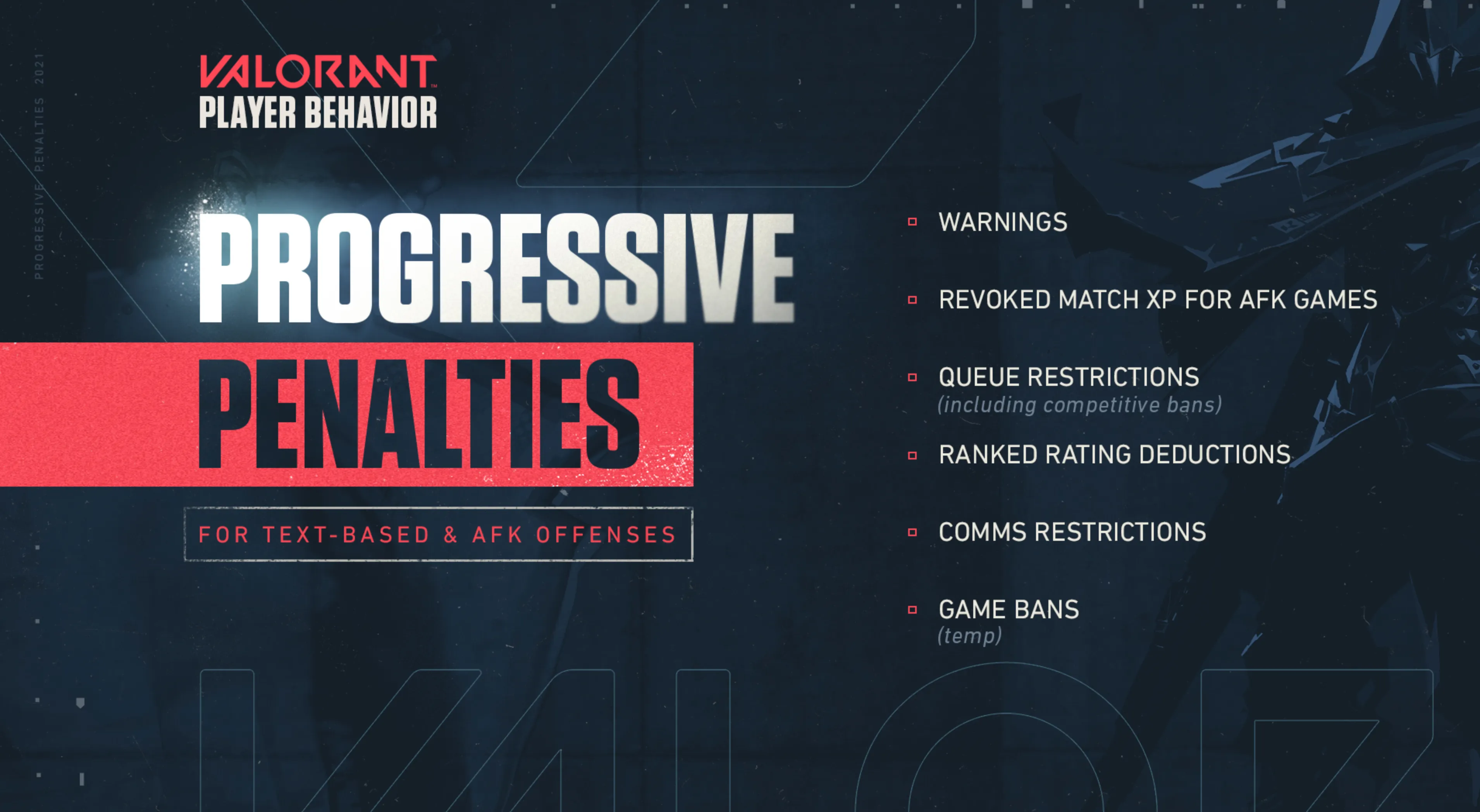
Most Valorant bans come from breaking Riot’s competitive rules or triggering Vanguard’s security system, and knowing exactly what caused it helps a lot when you appeal. The most common reason is cheating or using any third-party software that interacts with the game, even harmless-looking programs that modify sensitivity, remove recoil, or automate inputs. Toxic behavior also leads to bans, including harassment, slurs, targeted insults, or repeated negative chat patterns. Another big one is AFKing or griefing—throwing games, intentionally feeding, or trolling your team will stack penalties fast. Some players also get banned because their account was compromised and used for cheating without them knowing, and Vanguard doesn’t differentiate. Hardware manipulation, VPN abuse, and trying to bypass previous bans can also instantly trigger a permanent lock. Riot’s system is strict, and even small violations can escalate over time, which is why many players end up with harsher penalties after repeated reports or gameplay flags.
How to Appeal a Ban and Get Unbanned from Valorant?

Appealing a Valorant ban is a straightforward process, but you only get one real chance per ban, so it’s important to do it correctly. Riot handles every appeal manually, which means you need to submit a clear, honest explanation through their official support page. Start by visiting Riot Support and logging into the banned account, then choose Valorant, select Account Management, Data, or Login, and click Ban or Suspension Appeal. From there, you’ll see a form where you must explain what happened, why you believe the ban should be reviewed, and any relevant details that help your case. Always include your Riot ID, the date you were banned, and the reason shown on your suspension screen. If your ban was caused by a hacked account, provide proof like recovery emails or login alerts. If it was a false detection, explain the situation calmly and directly without blaming Riot or getting emotional. Riot will not overturn bans for cheating, boosting, or third-party software if the evidence is clear, but bans from account compromise or automated errors are often reversed when the player provides enough information. Once submitted, your appeal enters a queue and you simply wait for a reply — submitting multiple tickets won’t speed anything up. The more respectful, direct, and detailed your appeal is, the higher the chance Riot lifts your ban.
Writing a Strong Appeal to Get Unbanned from Valorant
When you’re trying to get unbanned from Valorant, the way you write your appeal matters more than most players think, because Riot’s support team reads thousands of submissions every day and a clear, honest message is much easier for them to take seriously. The goal is to explain exactly what happened without excuses, whether you made a mistake, your account was compromised, or you genuinely believe the ban was issued in error. Be honest from the start—Riot can verify everything on their end, so lying or blaming the system will only hurt your case. Show that you understand why the action happened, even if you disagree with it, and mention what steps you’ve taken to prevent any future issues, like improving account security or avoiding suspicious third-party apps. If you have proof—screenshots, timestamps, login alerts, or evidence you weren’t online—include only what actually helps your case. Keep your appeal polite, calm, and written in full sentences without caps or emotional outbursts, because sounding aggressive or desperate makes the appeal weaker. Avoid saying things like “I spent money,” “I’ve played for years,” or threatening to quit the game, since none of that affects Riot’s decision. A respectful, concise, and factual message gives you the best chance of having your Valorant ban overturned.
How Long Until Valorant Unbans Your Account

How long you stay banned in Valorant depends entirely on the type of punishment Riot issued. If you received a temporary suspension—usually 1 day, 3 days, 7 days, or 30 days—your account will automatically unlock once the timer ends, and there’s no way to speed it up unless Riot Support overturns the penalty through a successful appeal. Communication bans and queue restrictions also expire on their own after you complete the required number of games. However, ** Vanguard cheat bans, boosting bans, and permanent suspensions never auto-expire**; they last forever unless Riot manually removes them, which only happens if the investigation shows the ban was placed incorrectly. If your account was punished for cheating, tampering with Vanguard, third-party software, or account sharing, expect the ban to be permanent with no guaranteed review. In short: temporary bans lift automatically when the timer ends, while permanent Valorant bans remain locked unless your appeal proves the suspension was a mistake.
Preventing Future Bans on Valorant
Staying ban-free in Valorant mostly comes down to playing clean, keeping your account secure, and avoiding anything that might trigger Riot’s automated systems. Always use your own gameplay without scripts, macros, cheats, or software that alters how the game behaves, because Riot Vanguard detects even small unauthorized changes. Keep your account protected with strong passwords and two-factor authentication so nobody else can log in and cause trouble under your name. Avoid toxic behavior, since repeated reports for harassment, griefing, or AFKing can stack up and lead to chat restrictions, queue bans, or even full account suspensions. Make sure your hardware and network don’t trigger false positives — avoid using VPNs that constantly change regions, don’t run suspicious background apps, and keep Vanguard running properly. If you share your PC with others, never let someone play Valorant on your account. Staying respectful in matches, keeping your setup clean, and treating every game seriously is the easiest way to avoid future bans and keep your account safe long-term.
Conclusion
Getting banned from Valorant can feel frustrating, but you’re not stuck forever. As long as you understand the type of ban you received, why it happened, and how Riot handles appeals, you can approach the process calmly and improve your chances of getting your account back. Writing a clear and honest appeal, avoiding excuses, and showing that you understand the rules goes a long way. And even if the appeal doesn’t work, knowing what triggered the ban helps you avoid future issues so you can keep playing without risking another suspension. Hopefully, this guide made the whole unban process easier to understand and gave you a solid path toward getting back into the game.
Posted On: December 2nd, 2025
Recent Articles


Our 1v9 support team is available 24/7 to help you with any questions or issues you may have.
support@1v9.gg

-a6d5b3e156bb.webp)





Loading...
1v9.gg is not endorsed or affiliated by any game developers or publishers.
2026 1v9, All Rights Reserved, Created By Ritesh (riteshsahoo.com)