
League of Legends Classic has credible queue-time problems, but the public evidence doesn't establish that the mode is dying worldwide. Players have reported difficult matchmaking in several regions, while others still describe short waits. Riot is continuing to update Classic. What isn't available in the sources reviewed is a reliable, Classic-specific population series showing how participation has changed since launch.
Last verified: · Current patch: 26.18 · Analysis based on published evidence, not queue testing.
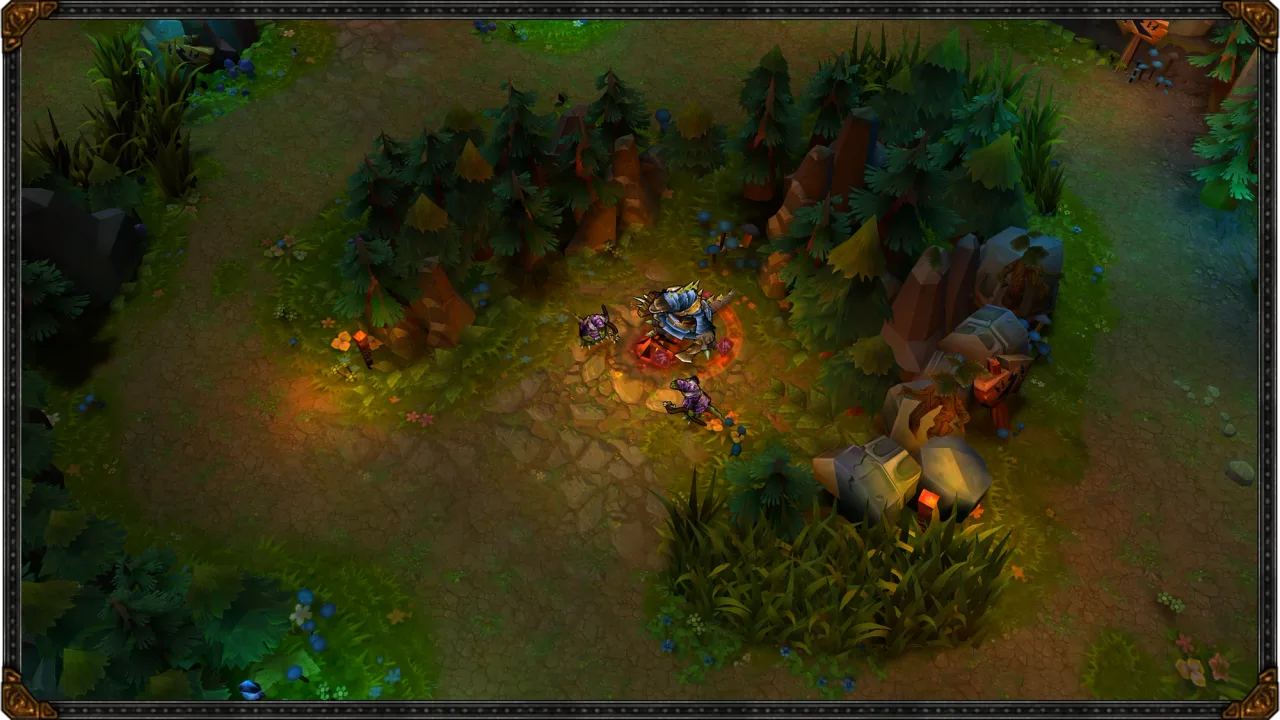
What League Classic actually offers now
League of Legends Classic is an official mode accessed through the League client. Riot's Classic page confirms its July 29 launch and current availability. It isn't Chronoshift, an unofficial server, or simply the long-standing “Classic” game-type label used for ordinary Summoner's Rift matches.
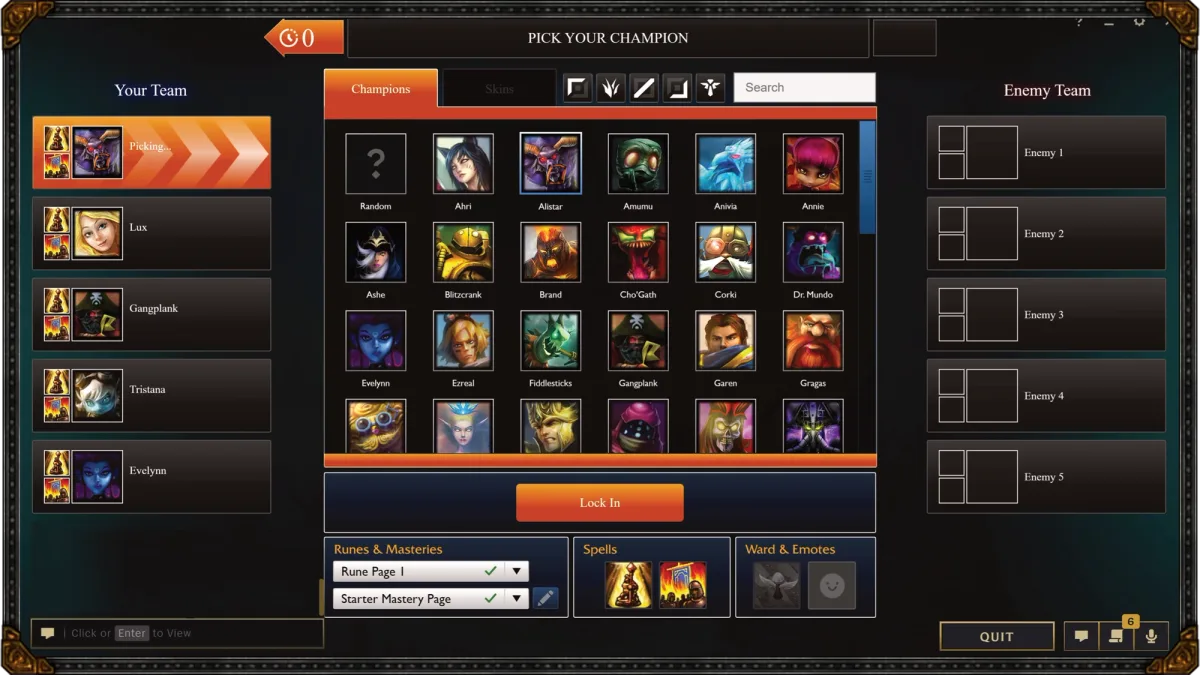
Riot used Season 3 as a starting point, then combined older champions, items and systems from different periods. The documented options are a PvP draft queue, Co-op vs. AI and custom games. Legacy Runes and Masteries return alongside conveniences such as positional preferences. That makes Classic a new interpretation of early League, not an exact restoration of one historical patch. Riot's design explanation is explicit about that distinction.
The Patch 26.18 roster totals 68 champions: 63 in Riot's preceding Classic data release, plus Fiora, Galio, Poppy, Shyvana and Xin Zhao. Their legacy kits are the point of the additions; a familiar name doesn't mean its modern abilities carry over. The count excludes the next announced additions. Sources: Riot's mode-specific roster data and Patch 26.18 notes.
There's no announced shutdown date in the current material reviewed. That is different from a guarantee that the mode will stay forever. Our explanation of Classic's long-term availability covers that separate question. Availability also shouldn't be confused with equally healthy matchmaking on every server.
There isn't a reliable public population trend to settle the argument
For this article, “dying” means a sustained loss of participation that makes regular matches increasingly difficult to sustain—not simply fewer launch streams or a quieter subreddit. A mode can have a smaller audience than standard League and remain viable. It can also remain playable overall while becoming frustratingly sparse in particular regions or skill groups.
No reliable public series isolating Classic's worldwide active players or retention was found in the sources checked. Standard League player counts don't answer that question. Neither do Twitch viewers or search interest: both can fall after a launch without measuring how many people still play.
The third-party Vilemaw leaderboard is specifically labeled for North America. Its September 8 privacy and data explanation describes records assembled from visible match data and player pages built after enough games have been observed. It doesn't establish that every Classic match or account is covered. Those records may be useful for the players they track; they aren't a global census or a reliable launch-to-current retention curve.
That leaves a narrower but still meaningful question: are players repeatedly struggling to get games? Here, there is evidence worth taking seriously.
Why the queue reports don't tell one story
The accounts below come from original discussions, not search summaries. They are self-reported experiences, not independently timed tests. Thread dates identify when the discussion began; replies may be later. Most omit party size, precise MMR or the time each match was attempted.
On smaller screens, swipe the table sideways or focus it and use the arrow keys to read every column.
| Report | What the player described | What it can establish |
|---|---|---|
| NA, August 18 thread | A Gold Summoner's Journey player, usually playing around 5–10 p.m., reported roughly 90-second queues and none above three minutes. | A useful short-queue counterexample with time-of-day context, not an NA average. |
| Brazil, August 27 thread | The author described approximately ten-minute daytime waits followed by frequent champion-select dodges. | A report of both matchmaking delay and interrupted lobbies. Ten minutes is not a measured total time to enter a match. |
| Russia, reply in the August 27 thread | A three-player party reported a three-hour midday attempt without finding a game. | A serious access complaint for that party. It was an unsuccessful attempt, not a three-hour match-found time. |
| Europe, August 29 thread | An EUNE reply reported a 12-minute average across ten Saturday games. EUW replies ranged from under three minutes to at least ten when not selecting Fill. | Even reports about the same server conflict. Region alone doesn't explain every wait. |
The strongest conclusion isn't “everyone is waiting hours.” It's that some players face enough friction to stop playing, while others can still find matches quickly. These reports deserve investigation even without a global headcount. They don't tell us how common each experience is or whether waits have steadily worsened for a comparable group of players.
Why might one player wait longer than another?
Riot documents skill-based matchmaking and positional preferences. A smaller pool of suitable players, unpopular roles, party requirements and off-peak hours are plausible contributors to delay. But the reports don't reveal how much each factor matters, and they don't prove a particular account's MMR is broken. Dodges can also add waiting after the initial matchmaker has already assembled a lobby.
There's a possible feedback loop: longer waits discourage another session, which can leave fewer people available for the next match. That's a risk, not a measured explanation of Classic's retention. To document your own problem usefully, note the server, local time, party size, role preferences, queue start and outcome. Keep an abandoned attempt separate from a match that actually started, and check Riot's regional service status before assuming population is the cause.
Classic's nostalgia problem is more specific than “old League was better”
If you wanted one particular season back, a blend of eras can miss the thing you remember. Restoring a favorite kit doesn't automatically restore its old opponents, item environment or match rhythm. That is a reasonable reason to prefer a different version of League. It isn't evidence that everyone else shares the preference.
Riot's design is deliberately selective. The current Poppy and Galio additions also make some early “my old champion is missing” complaints out of date. Other favorites remain absent, so the roster question is not fully resolved merely because it has grown.
The paid legacy-skin controversy changed before launch
During testing, Riot faced criticism over charging for Classic base appearances. Contemporary July 17 reporting on Riot's response records the reversal. Riot's current design page says available Classic skins are automatically granted with their base champion and replace its modern default appearance.
So “you must pay extra just to use the old base model” is not a fair description of that policy today. Compatible modern skins can still appear, and not every legacy appearance is available. A preference for an entirely period-authentic visual experience remains a different criticism from the reversed charge.
Classic does have a competitive progression system
Saying Classic has “no ranked” skips an important distinction. Riot's current progression documentation describes Summoner's Journey as its ranked-style system, without a separate queue. It unlocks at Classic Level 10, begins with five placement matches and uses Seasonal Points for visible progress alongside hidden MMR. Wins add SP; losses remove it.
Classic Levels also provide a free progression track, while Classic Passes have free and paid rewards. There are objectives to pursue. The more useful criticism is whether those objectives are compelling enough after the initial unlocks, or whether players want a dedicated competitive queue with a clearer separation from casual play.
That could affect someone's willingness to return, but the available evidence doesn't quantify departures caused by progression. Adding a separate queue also wouldn't be a free fix: it could divide the people currently matchmaking together. Riot would need to balance competitive expectations against access to games.
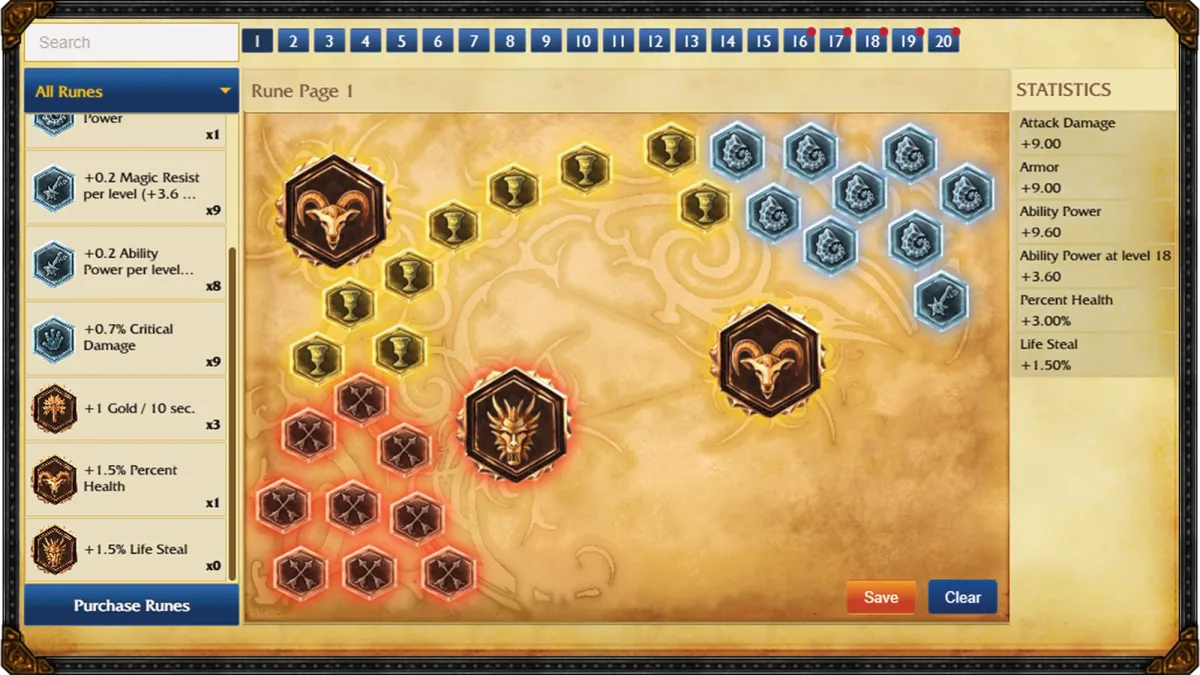
If you're returning after years away, learning the systems may be more useful than copying a modern setup. Our Classic Masteries guide explains the separate trees and how to approach them.
Riot is changing Classic, not leaving it at its launch state
Patch 26.17 added two Rune Pages, raised Influence Point and Classic XP gains, reduced the cost of some runes and revised the map's lighting, textures and decals. Champion and role swapping also arrived in champion select. Those are concrete responses to friction and presentation complaints, documented in the August 25 patch notes, rather than changes players are still only requesting.
Riot's September 8 development update confirmed further champion releases. Graves and three other Bilgewater champions were announced for the next patch; they should not be counted as live additions on September 10.
The Council also gives players a say in the mode's direction. Its first voting period ran August 26–September 2, and results appeared in Patch 26.18. Be careful with those percentages: Riot's voting rules give more voting power through participation. They are not a random survey or a count of equally weighted players.
Continued content, balance work and responses to feedback argue against calling Classic abandoned. They cannot tell us whether the changes improved retention. That needs participation or matchmaking evidence collected after the updates.
What would change the verdict?
A useful recovery signal would be repeatable evidence of shorter waits and completed games across the same regions, hours and skill groups over several weeks. Stronger decline evidence would be the opposite, especially alongside shrinking tracked participation with a transparent method or official queue reductions. One busy patch day, one abandoned queue or one popular complaint wouldn't settle either case.
Is League Classic worth trying now?
Yes, if you're interested in older kits and a different set of strategic choices, and you're comfortable with Riot changing that mixture over time. Go in expecting a living reinterpretation, not your exact favorite season preserved untouched. Check your own server during the hours you'd normally play before treating either a dramatic complaint or a short-queue success story as a prediction.
If your available playtime is short and repeated queues consume most of it, choosing another mode is reasonable. You don't need a global population collapse to decide that Classic isn't practical for your schedule. Our League modes and maps overview explains the alternatives without treating them as interchangeable.
The verdict is therefore cautious, not neutral: Classic has genuine warning signs around access to matches and reasons some players may lose interest. It also has short-queue counterexamples, progression and active development. Calling it globally dead goes beyond the evidence; declaring it healthy everywhere would ignore the problems players are reporting.
A few remaining questions
Is Classic still only a PBE experiment?
No. Riot launched it on July 29, 2026 and continues to publish live Classic changes. A screenshot from testing is not necessarily evidence of the current interface, roster or cosmetic policy.
Will choosing Fill guarantee a faster match?
No. Being willing to play more roles may help the matchmaker satisfy role needs, but it can't guarantee enough suitable players or prevent a dodge. Treat it as an option you're comfortable playing, not a proven queue-time exploit.
Does an upcoming champion prove the mode is recovering?
It proves planned development. Recovery would require evidence that people return and can reliably find matches after the addition, rather than an assumption that new content automatically restores participation.
Sources and update note
September 10, 2026: checked Riot's live documentation through Patch 26.18, traced queue claims to original discussions, and separated the PBE skin reversal from later changes. Sources are linked beside the relevant facts. Queue experiences are reported by players; no account was used to test matchmaking. Gallery images are Riot promotional material, not new playtest captures.


-a6d5b3e156bb.webp)