

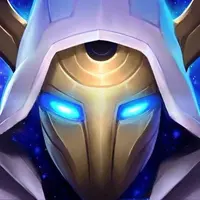
All Controller Agents in VALORANT
VALORANT has seven playable Controllers in Patch 13.05: Astra, Brimstone, Clove, Harbor, Miks, Omen, and Viper. Every Controller blocks vision, but their smoke shapes, placement ranges, secondary utility, and ideal fight timing are different.
Last verified: (VALORANT Patch 13.05)
Every current VALORANT Controller
| Controller | Smoke style | What the kit adds | Main limitation |
|---|---|---|---|
| Astra | Remote Nebula smokes placed through Astral Form | Global planning, pull, concuss, and a bullet-blocking ultimate wall | Star planning and Astral Form create a high coordination and timing burden |
| Brimstone | Long-lasting simultaneous Sky Smokes from a tactical map | Fast executes, combat stim, incendiary denial, and a focused damage ultimate | Placement range and a finite smoke supply constrain long rotations |
| Clove | Ruse spheres, including limited placement after death | Decay, self-buffing after a takedown, and a conditional self-resurrection | Shorter post-death smokes and fight-dependent value reward close timing |
| Harbor | Guided High Tide wall plus a targetable Cove smoke | Shield option, Nearsight, Slow, and aggressive forward pressure | Water can Slow allies, and the kit demands path and tempo discipline |
| Miks | Waveform smokes placed with a map targeter | Team combat stim, selectable heal or concuss, knockback, Deafening, and Slow | Best value depends on synchronizing with a teammate rather than playing an isolated lurk |
| Omen | Rechargeable Dark Cover spheres placed through a phased view | Wall-passing Nearsight and unpredictable personal teleports | Shrouded Step is punishable when its audio or destination is read |
| Viper | Fuel-driven Toxic Screen and Poison Cloud | Persistent vision control, health pressure, and area denial | Fixed placement and shared fuel require pre-round planning and disciplined toggles |
This is a functional comparison, not a permanent ranking. The map, side, planned pace, second Controller, and your team's communication determine the best choice.
What does a Controller do in VALORANT?
A Controller changes which sightlines are safe to hold. On Attack, that usually means blocking the angles that would expose an entry to several defenders at once. On Defense, it means delaying a choke, breaking an attacking crossfire, or buying time for a rotation.
Good smoke timing is more important than smoke volume. An early smoke that expires before the team moves may help the defender. A deep smoke can give an opponent room to hide and swing. A smoke placed flush with the choke usually reveals less exit space and is easier for teammates to hold.
Controllers are not passive by definition. Brimstone can lead a fast execute, Omen can attack an off-angle, Clove gains value near the fight, Harbor pushes a wave forward, and Miks strengthens a paired teammate. Our VALORANT role guide explains how that differs from Initiator and Duelist space-making.
How to choose the right Controller
- Fast, set-piece hit: Brimstone can place multiple long-lasting smokes together and add Stim Beacon.
- Global planning and coordinated utility: Astra can use Stars for smoke, pull, concuss, or a brief fake smoke.
- Flexible solo queue and repeated smokes: Omen's rechargeable Dark Cover and Paranoia give a self-sufficient baseline.
- Close-to-team fighting: Clove can smoke after death and convert damaging participation into self-focused tempo.
- Long vision walls and health pressure: Viper rewards prepared Screen and Cloud placements.
- Aggressive water-led entry support: post-rework Harbor pairs vision control with Nearsight, Slow, and a shield option.
- Direct teammate amplification: Miks pairs smoke placement with a shared stim and selectable support/control output.
Check the current VALORANT map pool before learning a specialized lineup. The best Controller for a map outside Competitive rotation may not be the best use of limited practice time.
Astra
Astra enters Astral Form to place Stars. She can convert them into Nebula, Gravity Well, or Nova Pulse, while Dissipate briefly creates a fake Nebula before returning the Star after a delay. Cosmic Divide connects two selected points with a wall that blocks bullets and heavily dampens audio.
Her strength is choice: the same preplaced resource can become vision denial, displacement, or Concuss. Her risk is delay and divided attention. Enter Astral Form from safety, communicate the purpose of each Star, and avoid spending the whole setup before the opponent reveals the final hit.
Brimstone
Sky Smoke selects several locations on a tactical map and deploys long-lasting clouds together. Stim Beacon grants RapidFire in its field, Incendiary creates a damaging zone, and Orbital Strike applies heavy damage over time to a selected area.
Brimstone makes a planned hit simple: smoke the defender's crossfire just before contact, stim the path the team will actually take, and keep Incendiary for a clearing or denial job. Do not spend all three smokes on decorative coverage the entry cannot use.
Clove
Ruse places vision-blocking clouds and can be used after Clove dies. Meddle Decays targets after a short delay, Pick-Me-Up turns participation in a recent enemy death into haste and temporary health, and Not Dead Yet conditionally resurrects Clove, who must then secure a kill or damaging assist before the timer ends.
Patch 12.05 reduced Ruse duration when cast after death and reduced Meddle's area. Play close enough that your death-smoke range still covers the fight, but do not treat resurrection as permission to take an unsupported duel.
Harbor
Harbor's current kit is not the launch version. Patch 11.10 made Cove his signature smoke and gave it a targeter plus an optional bullet-blocking shield. High Tide remains a guided vision wall. New ability Storm Surge creates an explosive whirlpool that Nearsights and Slows enemies, while the reworked Reckoning sends a forward surge that applies the same types of pressure to enemies it hits.
Guide High Tide to remove several angles without slicing your entry from its own support. Use an unshielded Cove when the vision block is enough; activate the shield when bullets are the immediate problem. Because allies crossing High Tide are also Slowed, a careless wall can disrupt the attack it was meant to help.
Miks
Miks is the newest Controller, rolled out globally from March 18, 2026. Waveform uses a map targeter to set and deploy smoke locations. Harmonize gives Miks and a targeted ally Combat Stim that refreshes with each kill, or can be self-cast. M-pulse toggles between Concuss and Healing outputs before the device is thrown. Bassquake builds and releases forward Sonic Radiance that knocks back, Deafens, and Slows players.
His kit rewards pairing with the teammate who will take first contact. Choose M-pulse mode before the throw, call the Harmonize target, and treat Bassquake's displacement as a timing for the team—not a solo highlight that nobody can follow.
Omen
Dark Cover sends a long-lasting smoke to a selected location through a phased targeting view. Paranoia passes through walls and reduces vision range, Shrouded Step teleports after a brief channel, and From the Shadows begins a global map teleport that an enemy can cancel by destroying Omen's Shade.
Omen is flexible because Dark Cover recharges and Paranoia can set up both teammates and his own fight. Patch 13.00 improved enemy clarity around Shrouded Step audio; use the teleport behind pressure or cover rather than assuming chaos makes it silent.
Viper
Toxic Screen deploys a line of emitters, and Poison Cloud creates a reusable gas sphere. Both consume Viper's shared fuel while active. Snake Bite creates a damaging, slowing chemical zone, and Viper's Pit spreads a large cloud that reduces vision range and maximum health inside it.
Viper is strongest when Screen placement remains useful across several round states. Toggle gas to break timing rather than draining fuel automatically, and do not isolate teammates with a wall they cannot read. A second Controller can cover flexible rotations while Viper handles prepared sightlines.
Five smoke rules that matter more than a tier list
- Smoke for contact, not habit. Deploy close enough to the hit that the cloud remains active when the entry crosses.
- Make the enemy exit predictable. A smoke should usually sit flush with the choke instead of bulging into the area your team must clear.
- Preserve a response. One smoke or control tool held for the rotate can matter more than covering three angles nobody fights.
- Call the expiration. Teammates need warning before a blocked Operator angle reopens.
- Review the whole composition. A wall smoke, flash, recon tool, or entry path changes what the Controller must cover.
For map-specific choices, see our best Agents for every map. For a queue-focused view, compare the communication burden in our ranked solo-queue Agent guide.
VALORANT Controller FAQ
How many Controllers are in VALORANT?
Seven in Patch 13.05: Astra, Brimstone, Clove, Harbor, Miks, Omen, and Viper.
Who is the newest VALORANT Controller?
Miks is the newest. Patch 12.05 began his regional rollout at 10:00 a.m. Pacific on March 18, 2026.
Did Harbor's abilities change?
Yes. Patch 11.10 reworked him: Cove became the targetable signature smoke, Storm Surge replaced the old Cascade slot, and Reckoning became a forward Nearsight-and-Slow surge.
Which Controller is easiest for a new player?
Brimstone has a direct tactical-map smoke flow, while Omen offers renewable smokes but asks for more spatial targeting. Ease depends on map knowledge and how comfortable you are coordinating timing.
Can a VALORANT team use two Controllers?
Yes. A wall Controller and a flexible dome-smoke Controller can divide jobs well, but only if the composition still has enough entry, recon, flash, and defensive coverage.
Official sources and update log
- Official VALORANT Agent roster
- Riot Games: Miks abilities
- Riot Games: VALORANT Patch Notes 11.10
- Riot Games: VALORANT Patch Notes 12.05
- Riot Games: VALORANT Patch Notes 13.05
Update log: September 3, 2026 — added Miks, rebuilt Harbor around his live rework, verified all seven Controller kits, and replaced unsupported “dominate every game” language with map and execution trade-offs.
Posted On: November 11th, 2024
Recent Articles


Our 1v9 support team is available 24/7 to help you with any questions or issues you may have.
support@1v9.gg

-a6d5b3e156bb.webp)




Loading...
1v9.gg is not endorsed or affiliated by any game developers or publishers.
2026 1v9, All Rights Reserved, Created By Ritesh (riteshsahoo.com)