

League of Legends Runes Guide for Beginners (2026)
When you first start playing League of Legends, the champion select screen can feel confusing. New players often see a lot of options before the match even begins, and one of the systems that causes the most confusion is runes. With multiple pages, icons, and choices available, it’s not always obvious how runes work or why they matter.
Runes are an important part of your champion setup before the game starts. They allow you to customize how your champion performs by giving different bonuses, effects, and playstyle options. While some runes provide small stat boosts like extra damage or sustain, others can significantly change how a champion plays throughout the match.
Choosing the right runes can influence your early laning phase, your fighting power, and even the role you want to play during the game. Because rune choices are locked in before the match begins, understanding how they work is important if you want to perform well once the game starts.
In this guide, we’ll break down how the rune system works in League of Legends and explain why it’s such an important part of your setup. You’ll also learn some beginner-friendly strategies that can help you pick better rune combinations and get more value from them during your games.
What Are Runes in League of Legends?
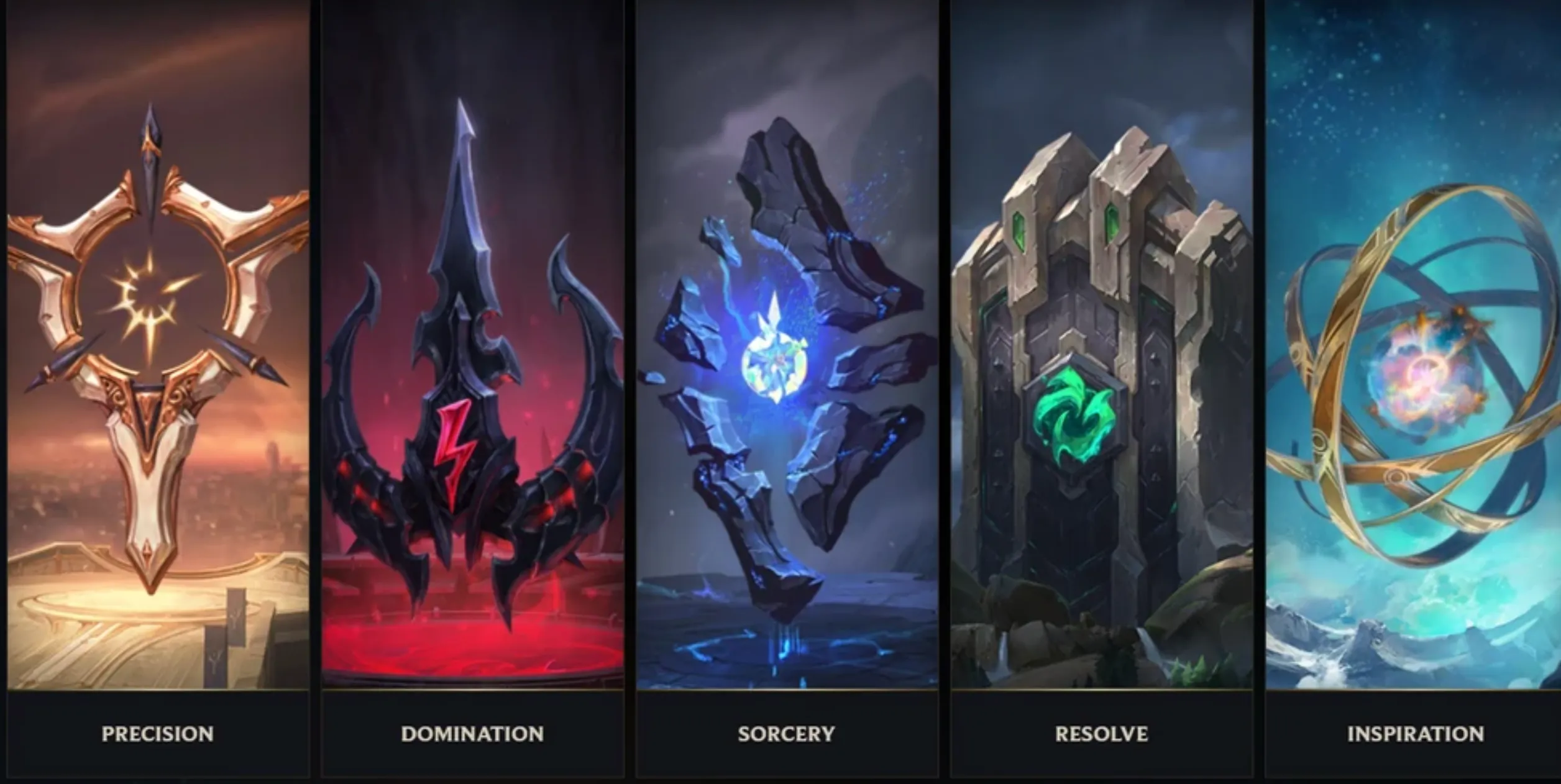
Runes are a system in League of Legends that lets players customize their champion before the match begins. Instead of being items you buy during the game, runes are selected during champion select and provide bonuses that influence how your champion performs throughout the entire match.
The rune system is divided into five different paths, and each path focuses on a particular playstyle. Some are designed for aggressive damage-focused champions, while others support durability, sustain, or scaling power as the game progresses.
When creating a rune setup, the first step is choosing a primary rune path, which determines your main keystone rune and several smaller runes that support your playstyle. After selecting the main path, you also pick a secondary rune path, which gives access to two additional minor runes from a different category.
The final part of the rune page includes stat shards. These small bonuses improve basic stats such as attack speed, adaptive damage, armor, or magic resistance. While these bonuses may seem minor, they can make a noticeable difference during the early stages of the game.
The good news for new players is that runes are available from the beginning, so you can freely test different combinations and see what works best for your champion and role. Over time, experimenting with different rune pages will help you understand how they affect your performance and overall strategy in a match.
Rune Paths in League of Legends Explained
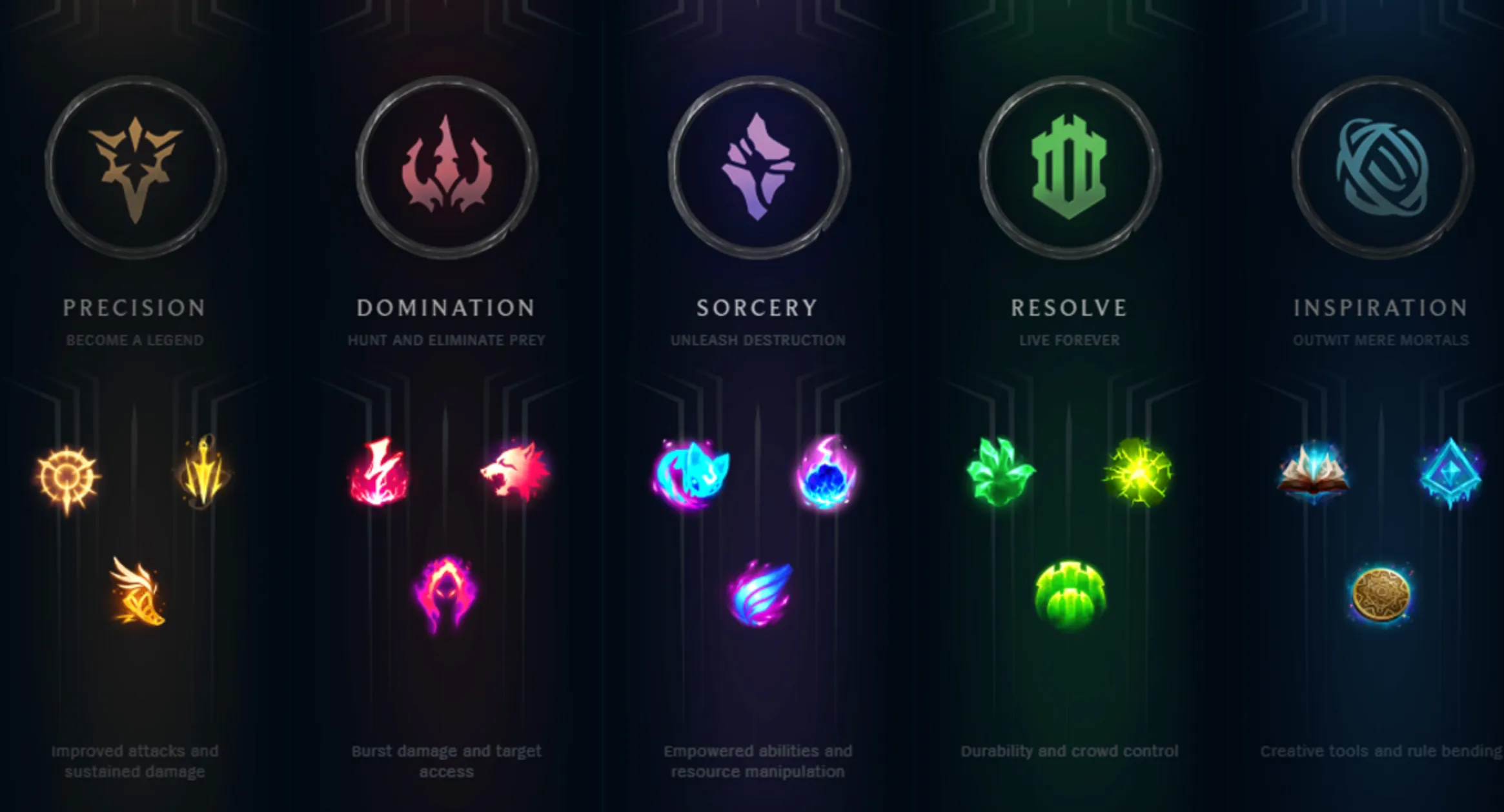
The rune system in League of Legends is divided into several rune paths, each designed to support a different playstyle. Choosing the right path can make a big difference in how your champion performs during the match. Some rune trees focus on dealing consistent damage, while others prioritize survivability, burst damage, or utility for your team.
Most players select rune paths that match their champion’s role or the strategy they want to use in a game. Below is a breakdown of the five rune paths and what they are commonly used for.
Precision

The Precision rune tree is built around consistent damage and strong performance during extended fights. It works especially well for champions that rely on repeated attacks and sustained combat. Because of this, it is commonly used by marksmen and fighters who deal most of their damage through auto attacks.
Playstyle: Sustained damage, attack speed, and strong dueling potential.
Best for: ADCs, Fighters, and Skirmishers.
Key Keystone Runes
Press the Attack
Landing three basic attacks on the same enemy exposes them, causing them to take extra damage from all sources for a short period.
Lethal Tempo
Damaging an enemy champion grants a large boost to attack speed, allowing champions to output more damage during fights.
Fleet Footwork
Provides healing and a small burst of movement speed after attacking, making it useful for champions who need sustain in lane.
Conqueror
Grants stacking attack damage or ability power during combat and eventually provides healing once fully stacked.
Domination
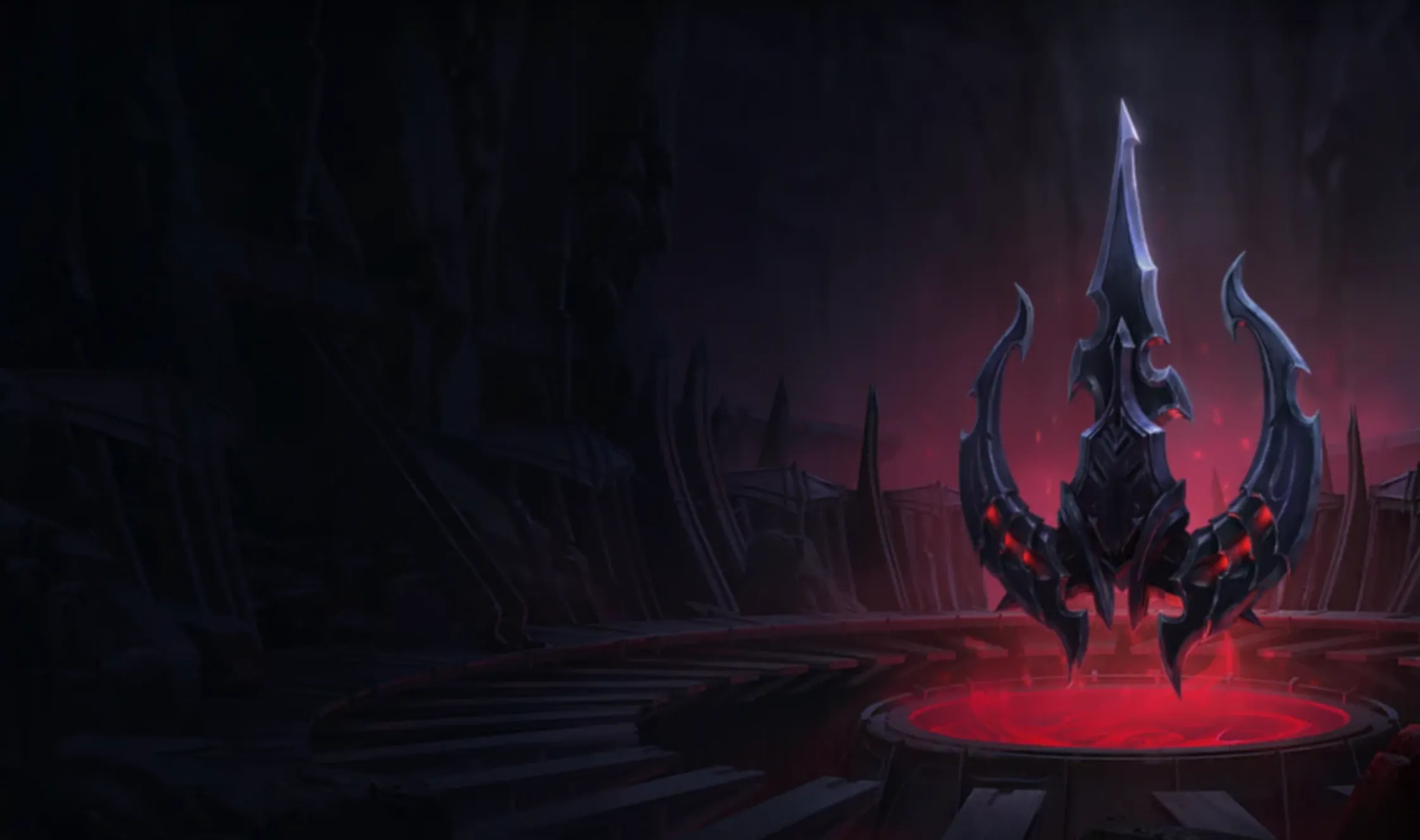
The Domination rune path focuses on aggressive play and burst damage. It is especially strong for champions who want to eliminate enemies quickly before they can react. Assassins and roaming junglers frequently rely on this tree to maximize their damage potential.
Playstyle: High burst damage and aggressive engagements.
Best for: Assassins, burst mages, and roaming junglers.
Key Keystone Runes
Electrocute
Triggers bonus damage after hitting an enemy with three separate attacks or abilities in a short time.
Dark Harvest
Deals additional damage to low-health enemies and permanently increases in power as you collect stacks.
Hail of Blades
Grants a rapid burst of attack speed for the first few attacks against an enemy champion.
Sorcery
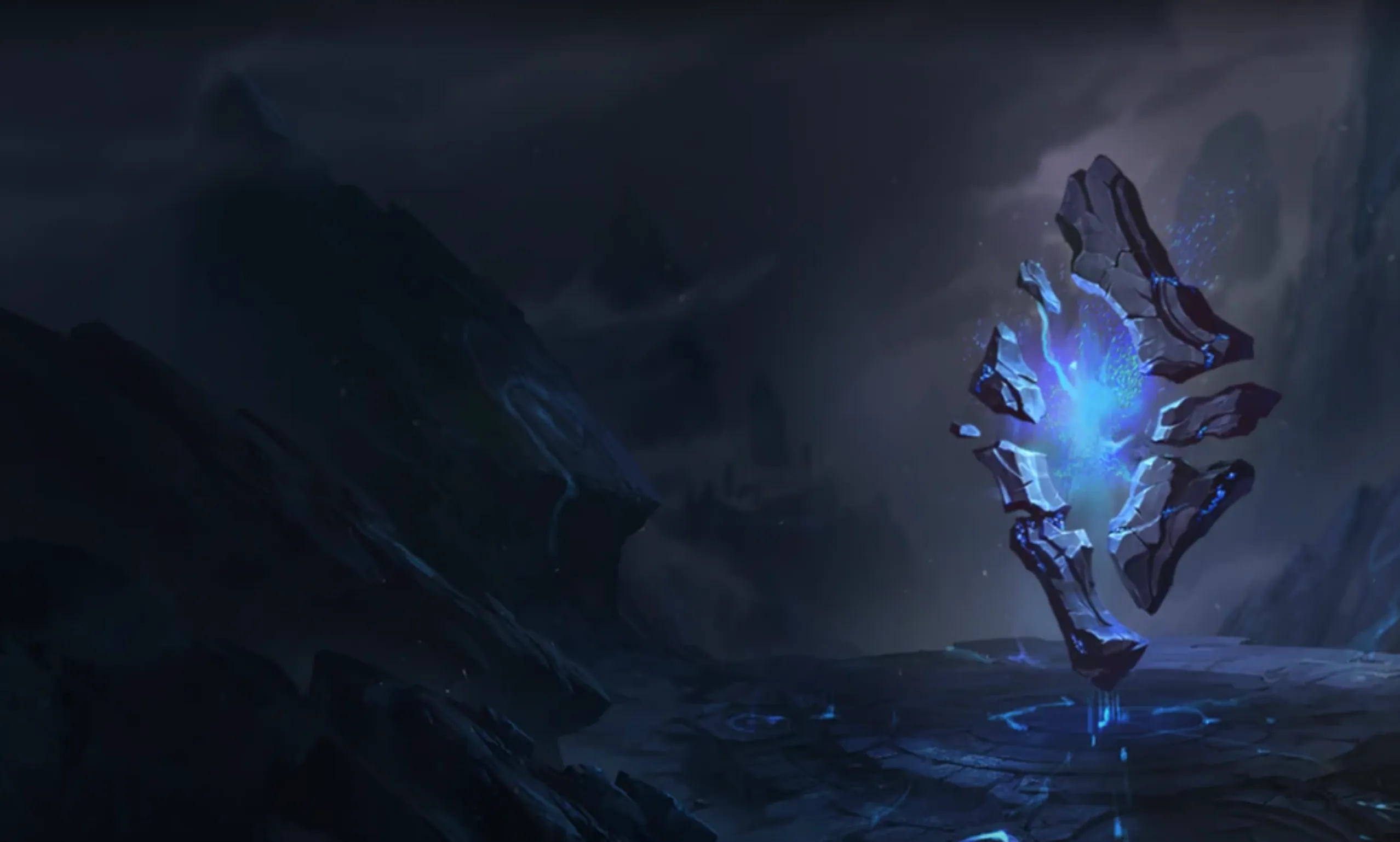
The Sorcery rune tree is centered around empowering abilities and improving spell-based gameplay. It provides bonuses that increase damage from abilities while also offering helpful utility effects such as mana management or cooldown reduction.
Playstyle: Ability damage, poke, and spell-focused combat.
Best for: Control mages, poke champions, and enchanter supports.
Key Keystone Runes
Summon Aery
Your attacks and abilities send a spirit companion that damages enemies or shields allies.
Arcane Comet
Landing an ability launches a comet toward the enemy, dealing additional damage.
Phase Rush
Hitting an enemy with several attacks or abilities grants a large burst of movement speed.
Resolve

The Resolve rune path focuses on durability and protection. These runes are commonly chosen by champions that need to survive heavy damage while helping their team control fights. Tanks and engage supports frequently use this path to increase their durability.
Playstyle: Defensive power, crowd control, and team protection.
Best for: Tanks, engage supports, and front-line champions.
Key Keystone Runes
Grasp of the Undying
While in combat, your next attack deals bonus damage, heals you, and permanently increases your maximum health.
Aftershock
After immobilizing an enemy champion, you gain a large boost to armor and magic resistance before dealing area damage.
Guardian
Protects nearby allies by granting a shield when they take damage.
Inspiration

The Inspiration rune tree offers unique utility effects rather than direct damage or durability. It provides tools that allow players to adapt their playstyle and gain advantages in creative ways. Because of its flexibility, it is often used as a secondary rune path.
Playstyle: Utility, adaptability, and strategic advantages.
Best for: Utility supports, creative strategies, and niche champion builds.
Key Keystone Runes
Glacial Augment
Immobilizing enemies creates slowing zones that make it easier for your team to control fights.
Unsealed Spellbook
Allows you to swap your summoner spells during the match, giving more flexibility depending on the situation.
First Strike
Damaging an enemy first grants extra gold and increases the damage you deal for a short time.
Understanding what each rune path offers makes it much easier to build rune pages that match your champion and role. Once you learn which path fits your playstyle best, runes become a powerful tool for improving your performance in League of Legends matches.
How to Build Your First Rune Page in League of Legends
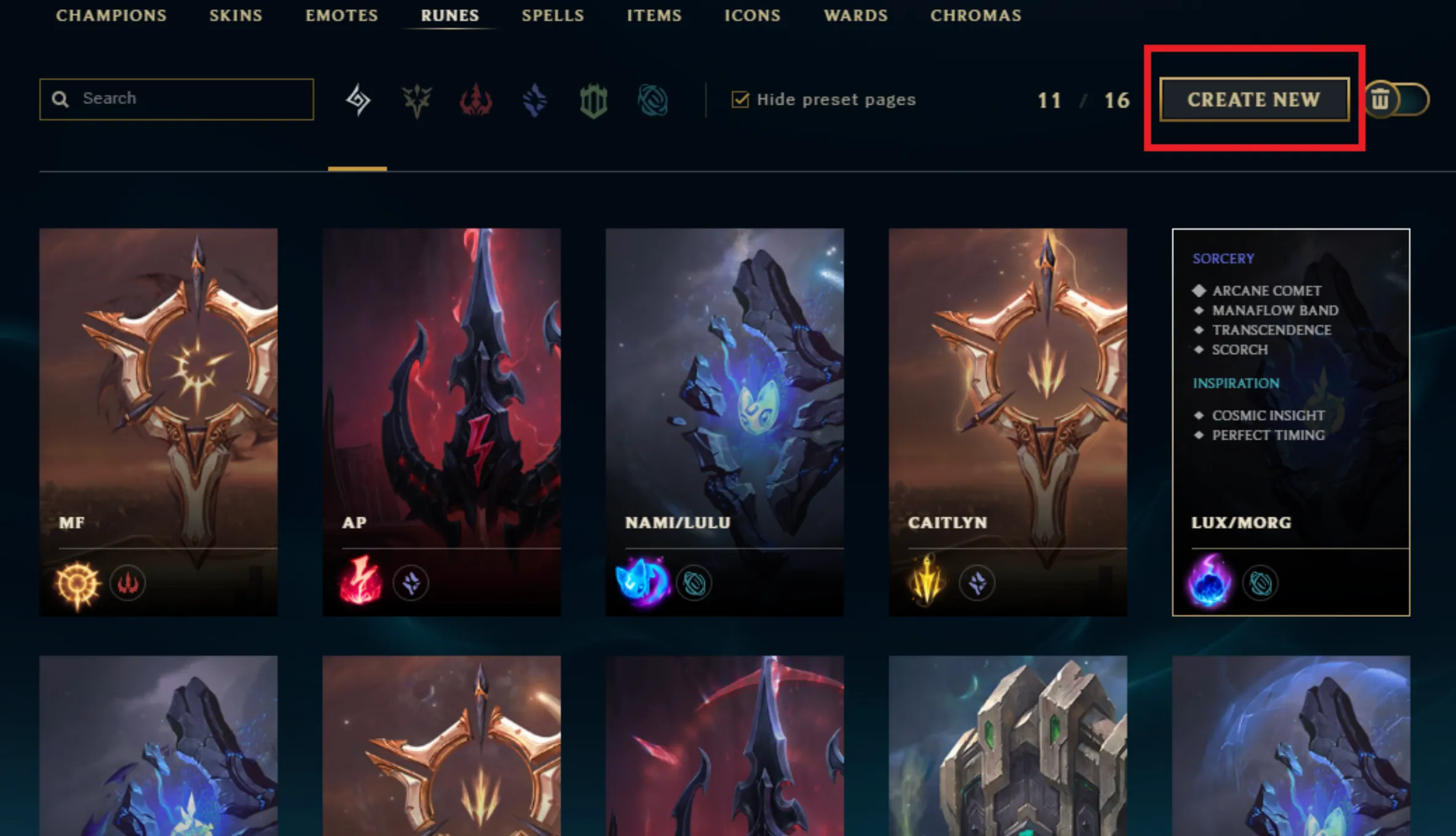
Creating your first rune page in League of Legends might look complicated at first, but once you understand the basic steps, it becomes much easier. Runes are designed to support your champion’s strengths and help you perform better during the match, so choosing the right setup can make a noticeable difference in your gameplay.
The first step is selecting your primary rune path. This will determine your keystone rune, which is the most powerful rune in your page. The keystone often defines your playstyle during the game. For example, aggressive champions usually pick damage-focused runes, while defensive champions benefit from durability-based options.
After choosing your primary rune tree, you’ll need to pick three additional minor runes from that same path. These smaller runes provide extra bonuses such as healing, cooldown reduction, or damage enhancements that complement your champion’s abilities.
Next, you’ll select a secondary rune path. This allows you to pick two extra minor runes from another rune tree. The secondary path helps cover weaknesses in your build or adds additional utility that your champion may benefit from.
The final step is choosing your stat shards. These small bonuses give your champion extra stats at the start of the game, such as attack speed, adaptive damage, armor, or magic resistance. Even though these boosts may seem minor, they can provide a useful advantage during the early laning phase.
For beginners, the best approach is to pick rune paths that match your champion’s role. For example, marksmen often benefit from Precision, tanks usually prefer Resolve, and mages frequently use Sorcery. As you gain more experience, you can start experimenting with different rune combinations to see what works best for your playstyle.
Building your first rune page is mostly about understanding how your champion deals damage and survives fights. Once you learn the basics, adjusting your runes before each game becomes a simple way to improve your overall performance in League of Legends.
Matching Runes to Your Role in League of Legends
While League of Legends allows players to experiment with many rune combinations, certain rune setups tend to perform better depending on the champion’s role. Choosing runes that complement your champion’s strengths can make laning easier and improve your impact throughout the game.
Below are some common rune choices based on role and playstyle.
ADCs (Marksmen)
Marksmen usually rely on consistent damage and strong auto attacks, which makes the Precision rune tree the most popular option. Runes from this path improve attack speed, sustain, and damage during extended fights. Keystone runes like Lethal Tempo or Press the Attack are commonly used by ADC players who want to maximize their damage output in teamfights.
Mages and AP Assassins
Champions that deal most of their damage through abilities often choose between Domination and Sorcery. Domination works well for champions that rely on quick burst damage to eliminate targets, while Sorcery is a strong choice for champions that focus on poke, spell damage, or scaling power throughout the match.
Tanks and Engage Supports
Champions that play on the front line typically benefit from the Resolve rune path. This tree provides additional durability, healing, and defensive bonuses that help tanks survive longer in fights. Many players also combine Resolve with Inspiration as a secondary path to gain helpful utility runes that improve early laning or roaming potential.
Fighters and Bruisers
Fighters usually look for rune setups that improve their ability to duel opponents and survive longer in extended combat. The Precision tree, especially with keystones like Conqueror, is a very common choice. In some matchups, players may also use Resolve runes such as Grasp of the Undying to gain extra durability during trades.
Enchanter Supports
Support champions that focus on healing and shielding allies often prefer runes that improve their utility. Sorcery is a popular option because it strengthens abilities that protect teammates, especially with runes like Summon Aery. Another common alternative is Resolve, which provides defensive tools such as Guardian to help protect allies during fights.
Understanding how runes interact with your champion’s role makes it much easier to build effective rune pages. Once you become familiar with these combinations, you can begin adjusting your runes depending on the matchup, your team composition, and your personal playstyle.
FAQs About League of Legends Runes
What are runes in League of Legends?
Runes are a pre-game system that allows players to customize their champion before the match begins. They provide different bonuses such as extra damage, healing, durability, or utility, which can influence how your champion performs throughout the game.
How many rune paths are there in League of Legends?
League of Legends currently has five rune paths: Precision, Domination, Sorcery, Resolve, and Inspiration. Each path focuses on a different playstyle, such as sustained damage, burst damage, ability power, durability, or utility.
Can you change your runes during a match?
No, runes cannot be changed once the match starts. Players must select their rune page during champion select before the game begins. That’s why it’s important to choose runes that match your champion and role.
What is a keystone rune?
A keystone rune is the main rune at the top of your primary rune path. It provides the strongest effect in your rune setup and often defines how your champion will play during the game.
Do runes matter for beginners?
Yes, runes can make a noticeable difference even for new players. The right rune setup can improve your damage, survivability, and overall performance in lane, making the game easier to learn while you develop your skills.
Conclusion
Runes are an important part of League of Legends and play a big role in how your champion performs during a match. While the system might look complicated at first, understanding the basics makes it much easier to choose the right setup before the game starts. Once you learn how the different rune paths work and how they match with your champion’s role, building rune pages becomes much more intuitive.
For beginners, the best approach is to start with simple rune combinations that fit your champion’s playstyle. Over time, as you gain more experience with different champions and matchups, you can experiment with new rune setups and adjust them depending on the situation.
By learning how runes work and using them effectively, you’ll be able to improve your laning phase, deal more damage in fights, and support your team more efficiently. Mastering this system is one of the first steps toward becoming a better League of Legends player.
Posted On: March 13th, 2026
Recent Articles


Our 1v9 support team is available 24/7 to help you with any questions or issues you may have.
support@1v9.gg

-a6d5b3e156bb.webp)





Loading...
1v9.gg is not endorsed or affiliated by any game developers or publishers.
2026 1v9, All Rights Reserved, Created By Ritesh (riteshsahoo.com)