

How to Play Arc Raiders: Beginners Guide (2026)
ARC Raiders is an extraction-based shooter that mixes PvE survival with PvP tension, and for new players, it can feel punishing at first. Every run is about risk versus reward: you drop into dangerous zones, loot what you can, fight hostile ARC machines and other players, and try to extract safely with your gear intact. Unlike traditional shooters, dying means losing what you brought in, which makes decision-making, positioning, and timing far more important than raw aim alone. The good news is that once you understand the core systems, ARC Raiders becomes incredibly rewarding. In this beginner’s guide for 2026, we’ll break down how the game works, what new players should focus on early, and how to survive your first raids without wasting gear or progress.
Introduction to ARC Raiders
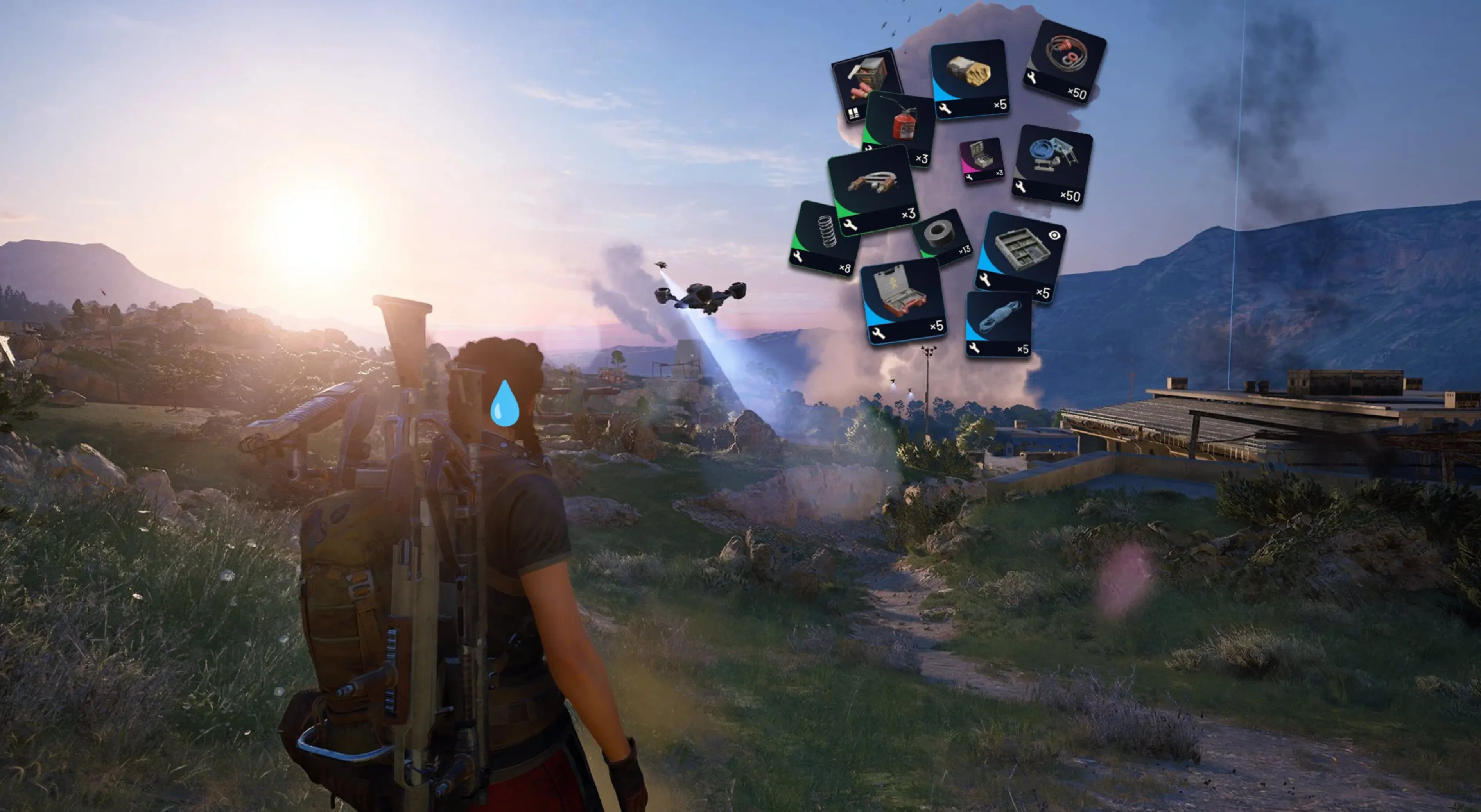
ARC Raiders is a third-person extraction shooter built around survival, smart decision-making, and high-risk raids. Players drop into hostile zones filled with deadly ARC machines, valuable loot, and other Raiders who are trying to extract just like you. Every run is a gamble, because anything you bring in can be lost if you fail to escape. Unlike fast-paced arena shooters, ARC Raiders rewards patience, positioning, and knowing when to fight or walk away. Understanding the basics early makes a huge difference, especially for new players who want to avoid losing gear and progress. Once you grasp how raids, loot, crafting, and extraction work together, ARC Raiders becomes a tense but deeply rewarding experience.
Getting Started in ARC Raiders
Before jumping into live raids, ARC Raiders takes time to ease new players into its core systems. Your early hours are all about learning how survival works, understanding risk versus reward, and getting familiar with the tools that keep you alive. Instead of throwing you straight into chaos, the game slowly introduces combat, looting, and extraction so you can build confidence without constantly losing progress.
Life in Speranza
Your journey begins in Speranza, the central hub and safe zone where all preparation happens. As a Raider, your role is to scavenge resources and fight back against the ARC machines threatening humanity. Speranza acts as your home base, letting you pick up contracts and Feats, talk to vendors like Celeste, Shani, and Tian Wen, craft and upgrade gear in the Workshop, and organize everything you extract through your stash. Spending time here between raids is just as important as the raids themselves, since poor preparation often leads to lost loot.
Learning Through Tutorials
After the initial introduction, you’ll be guided through a short series of tutorial missions. These are designed to teach the essentials without overwhelming you. You’ll learn how movement works, including sprinting, sliding, and traversal tools like the grappling mechanics. Combat basics are also covered, such as weapon swapping, managing ammo, and aiming for weak points on ARC enemies. Just as importantly, the tutorials explain how extraction works, showing you how to safely leave a map with your loot intact. Completing these missions rewards you with starter gear and materials, giving you a solid first loadout.
Feats and Early Progression
Feats act as ARC Raiders’ progression challenges and are one of the best ways to grow early on. Completing Feats rewards you with Creds, experience, and crafting materials, all of which help unlock new options and upgrades. Early Feats are intentionally simple, focusing on tasks like looting areas, crafting basic items, or surviving extractions. Prioritizing these helps you learn the game naturally while building resources at the same time.
Getting Ready for Your First Real Raid
Once you’re comfortable with the basics, it’s time to head into your first proper map. Preparation is key here. Bring a reliable main weapon with a sidearm for emergencies, pack healing items and repair tools, and make sure you have enough stash space to store what you extract. Going in light is often smarter early on, as it reduces risk while you learn enemy patterns and map layouts. With the right preparation and mindset, your first raids will feel tense but manageable, setting you up for steady progress instead of constant losses.
Map Selection in ARC Raiders
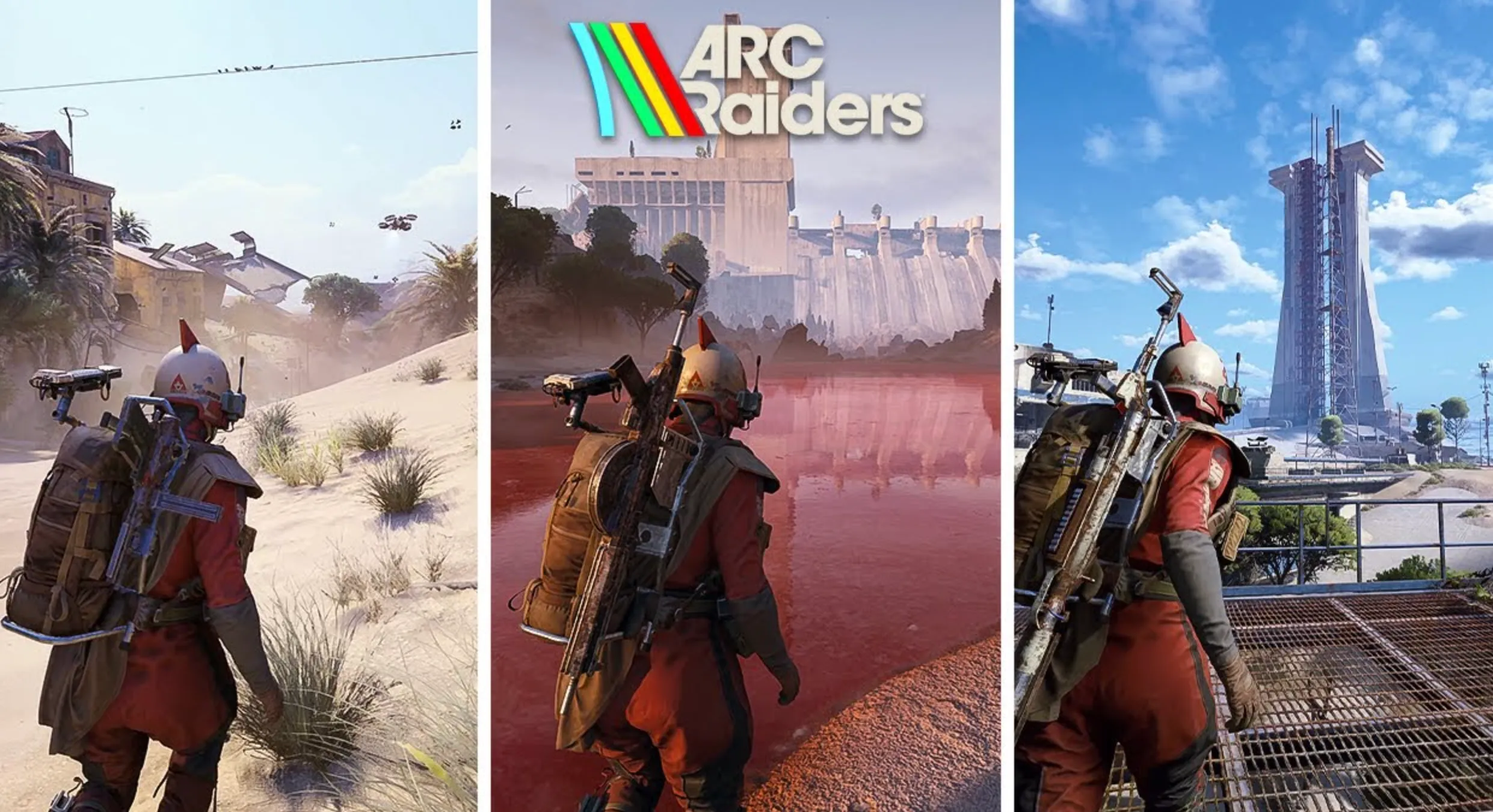
Before every raid, one of the most important decisions you’ll make is choosing where to deploy. Map selection isn’t just cosmetic in ARC Raiders; each location plays very differently and can completely change how a run unfolds. Terrain, enemy density, sightlines, and loot quality all vary from map to map, which means your approach should adapt depending on where you’re heading. Some areas are more forgiving for new players, while others are designed to punish mistakes and reward careful planning.
At any given time, ARC Raiders runs a rotating selection of maps. Dam Battlegrounds is always available, while other locations rotate in and out, such as Buried City or Acerra Spaceport. Every map supports solo players as well as three-person squads, but even with the same objectives, your strategy will shift based on layout, visibility, and how easy it is to disengage and extract.
Dam Battlegrounds is often the first map most players learn. Centered around the Alcantara Power Plant, it’s filled with decaying industrial structures, flooded zones, and toxic swamps. While it’s considered a decent starting point, it’s far from safe, as ARC activity is heavy and firefights are common.
Buried City offers a very different experience. This desert-based map is built around tight corridors, narrow streets, and open courtyards. It rewards slow movement and awareness, making stealth a strong option, but the cramped design also makes surprise encounters with other Raiders more likely.
Acerra Spaceport is a high-risk, high-reward location. Large hangars, open platforms, and long sightlines dominate the map, which makes positioning critical. Players who come here are often hunting valuable wreckage, so PvP encounters are frequent and usually unforgiving.
The Blue Gate is a strange, unfinished transit facility crawling with ARC patrols. It offers strong material rewards, but mistakes are punished quickly due to limited cover and aggressive enemy behavior. Timing and patience matter more here than raw firepower.
Stella Montis stands out as a fully underground map. With no surface access, everything takes place inside a dense network of tunnels and enclosed spaces. Visibility is limited, sound cues are important, and close-range fights are common, making it one of the most intense environments in the game.
Choosing the right map early on can make learning ARC Raiders much easier. New players are often better off sticking to familiar layouts before branching out into riskier locations as their gear, confidence, and map knowledge improve.
Loot Zones in ARC Raiders
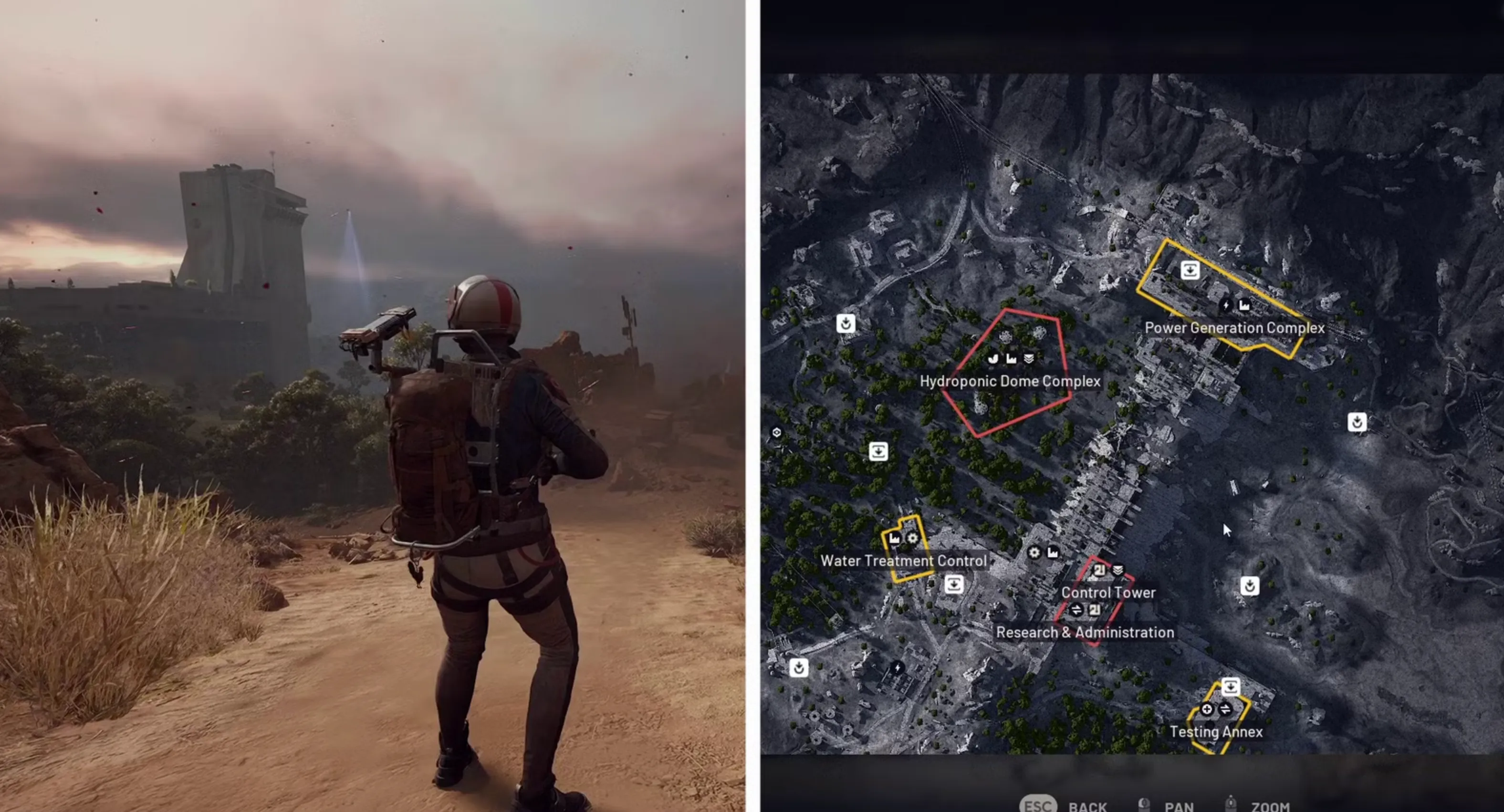
Looting is the core of every raid, and almost every decision you make revolves around what to grab and when to leave. Whether you’re hunting rare blueprints, gathering materials for upgrades, or simply restocking ammo and healing items, understanding loot zones is what separates clean extractions from disastrous runs. Not every part of a map offers the same rewards, and knowing how much danger you’re willing to face is a skill you’ll develop over time.
Each map is split into color-coded zones that hint at both loot quality and threat level. White zones are the safest areas, usually filled with basic supplies and low-tier gear. These are perfect for quick scavenging, early progression, or quiet solo runs where survival matters more than value. Orange zones sit in the middle, offering better loot but with increased ARC patrols and more frequent combat. These areas are a solid choice once you’re comfortable fighting machines and managing limited resources. Red zones are where the best rewards live, but they come at a cost. These high-risk areas attract strong ARC enemies and other Raiders, making PvP encounters common and mistakes extremely punishing.
Loot itself is found inside different container types, each with a predictable purpose. Weapon cases usually hold a firearm, ammo, mods, and sometimes a crafting recipe. Medical bags focus on healing supplies and can occasionally drop schematics. Ammo cases provide multiple ammo stacks and may also contain blueprints. Destroyed ARC machines leave behind husks that must be breached, rewarding valuable ARC components used for advanced crafting. Buried Raider caches offer a mix of grenades, gadgets, ammo, and a small chance at weapons. Field depot drops require solving a short puzzle but refresh often and provide excellent overall loot. Supply drops are more general, giving a balanced spread of ammo, healing items, and utility gear.
Because most players are drawn toward red zones and high-value containers, choosing how aggressive you want to be is critical. Charging straight into danger might score you rare loot, but it also increases the chance of running into enemies you’re not ready to fight. Playing slower, looting safer zones, and extracting early can still lead to steady progress with far less risk. In ARC Raiders, smart looting isn’t about grabbing everything, it’s about knowing when what you have is enough to walk away alive.
ARC Enemy Types in ARC Raiders
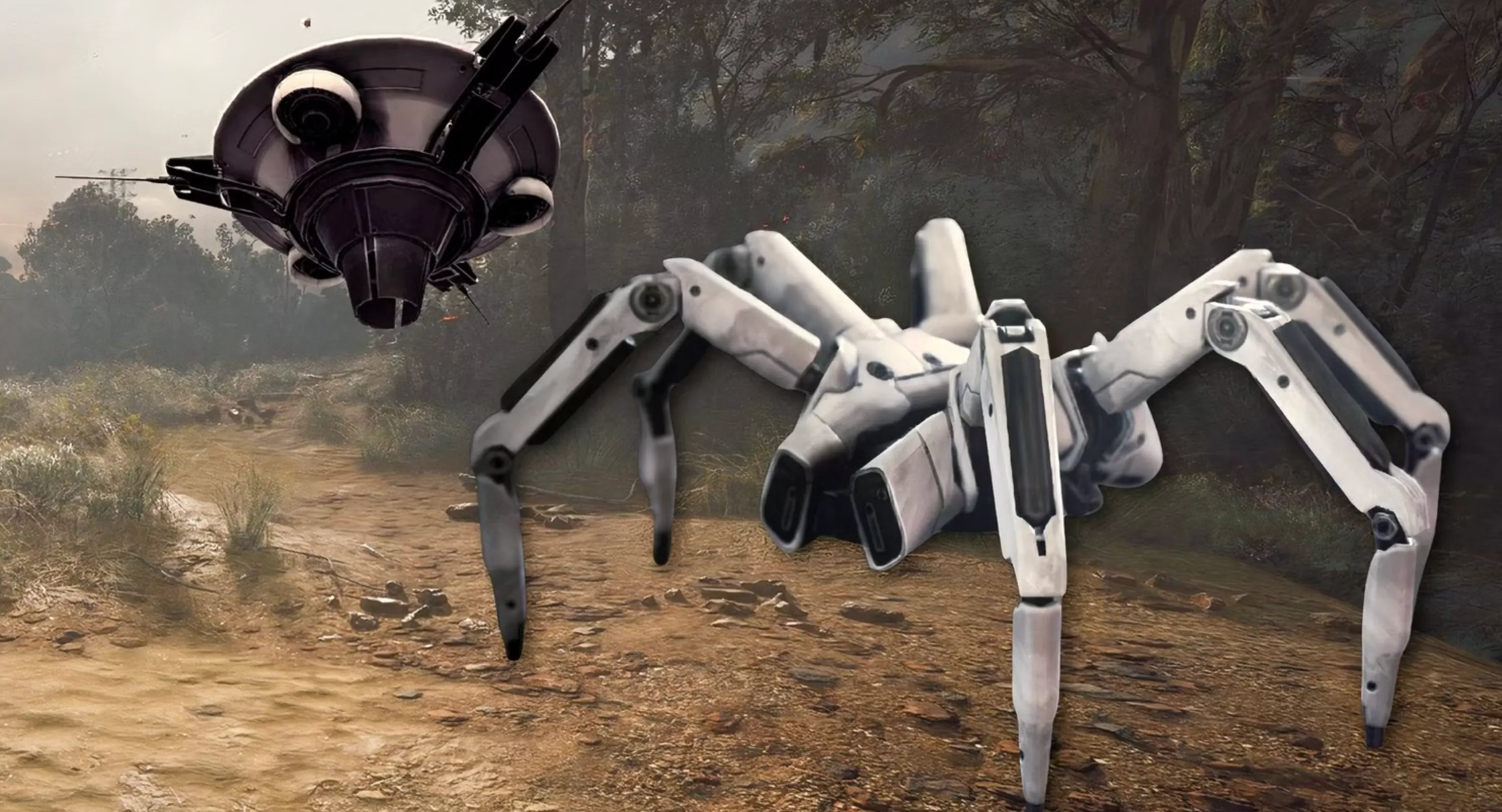
The biggest danger you’ll face in ARC Raiders isn’t always other players, it’s the ARC machines themselves. These hostile constructs are leftovers of a failed extermination effort against humanity, and they roam the world with deadly efficiency. ARC enemies come in many shapes and sizes, ranging from small, fast drones to massive mechanical units capable of wiping out unprepared Raiders in seconds. Some dominate the skies, others lock down areas from a distance, and a few are designed purely to overwhelm you up close.
Fighting ARC units is never a simple choice. While they drop valuable loot such as ARC Alloy, Powercells, and rare machine components needed for crafting and upgrades, combat also creates noise. That noise can quickly snowball into a bigger problem by pulling in additional ARC patrols or alerting nearby Raiders looking for an easy fight. This constant trade-off between reward and danger is one of the core mechanics that defines ARC Raiders’ gameplay.
You’ll encounter a wide variety of ARC enemies during raids. Wasps and Hornets are flying units that harass from above, with Hornets being tougher and more punishing if ignored. Snitches are especially dangerous because they mark players and summon reinforcements, turning a quiet area into chaos if not dealt with quickly. Ticks and Leapers specialize in aggressive close-range attacks, forcing fast reactions, while Pops explode when they get too close. Surveyors roll rapidly across the terrain and are difficult to hit, while Turrets and Sentinels lock down areas with heavy firepower, with Sentinels capable of devastating damage if approached carelessly.
Heavier ARC units like Rocketeers, Bastions, and Bombardiers are built to punish poor positioning. Rocketeers fire explosive barrages, Bastions soak damage behind thick armor, and Bombardiers rain destruction from a distance. Event-level threats such as the Queen represent the most dangerous encounters in the game, dropping rare components but requiring coordination, preparation, and a clear escape plan.
Success against ARC enemies comes down to smart play rather than brute force. Use cover, focus on exposed weak points like engines or cores, and avoid dragging fights out longer than necessary. Always keep sound in mind, prolonged combat is an open invitation for third parties. After every engagement, make sure to loot ARC remains, as many high-end crafting recipes and weapon upgrades rely on components that only specific ARC units drop. Knowing which enemies to fight and which to avoid is a skill that separates surviving Raiders from lost ones.
Loot Rarity in ARC Raiders
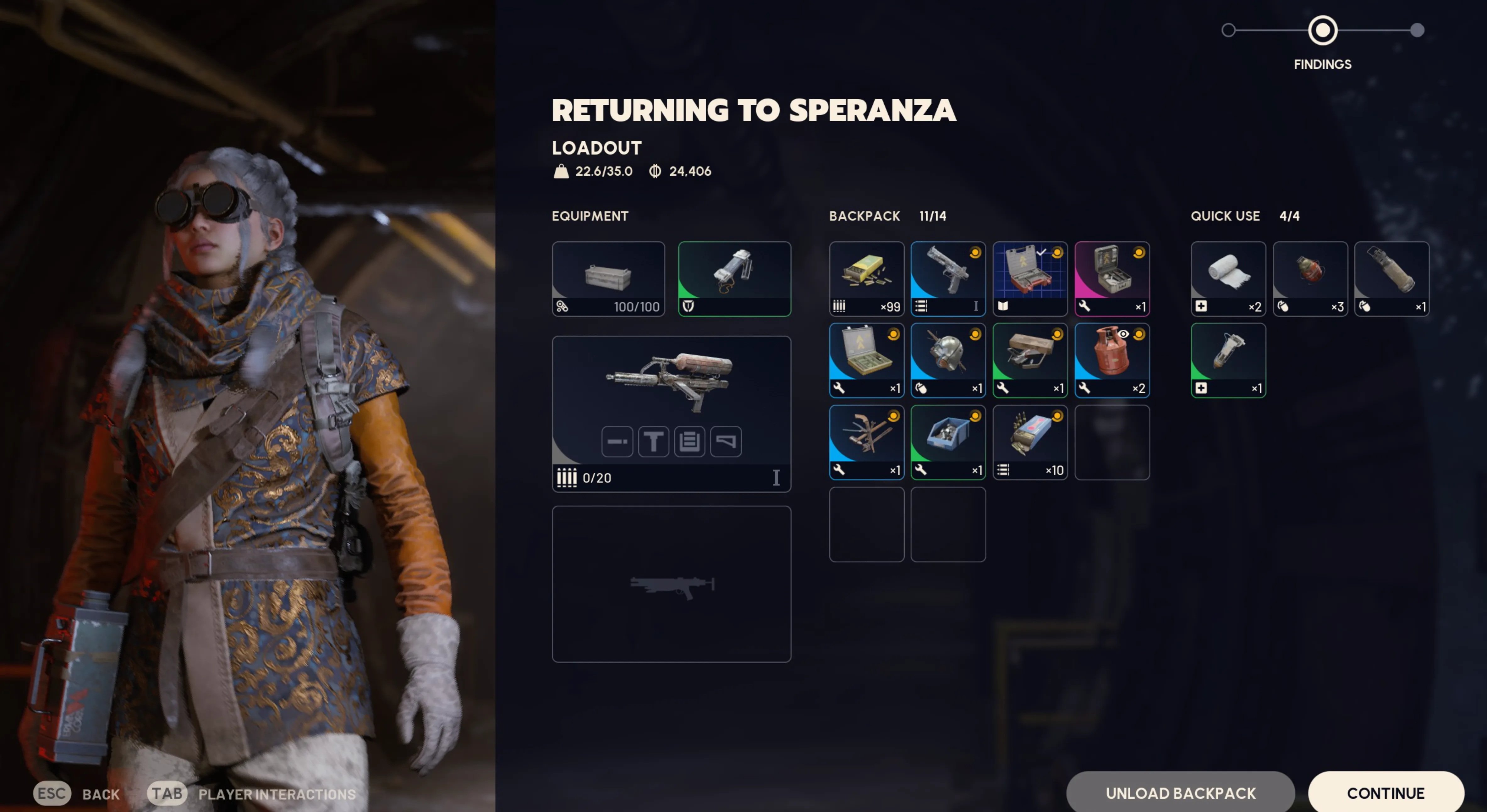
Loot drives almost every decision you make in ARC Raiders. Everything you pick up during a raid serves a purpose, whether it’s upgrading your gear, unlocking new crafting options, selling for Creds, or completing objectives tied to progression. Because you can’t carry everything, understanding loot rarity helps you decide what’s worth the risk and what should be left behind.
Items in ARC Raiders fall into several broad categories. Crafting materials are used to build and upgrade weapons, gadgets, and equipment at your workshop. Blueprints unlock new crafting recipes and are often some of the most valuable finds in the game. Consumables include items like grenades, healing kits, and shield rechargers that help you survive during raids. Valuables exist purely to be sold for money and don’t have crafting uses, while weapons, mods, and ammo can either be equipped or dismantled into useful parts.
To make quick decisions in the field, the game uses a color-based rarity system. Common items, shown in gray or white, are basic materials and low-value consumables. Green items are uncommon and usually offer slightly better value or utility. Blue items are considered rare and often include useful components, solid gear, or important recipes. Purple items fall into the epic tier and are typically high-value loot or advanced crafting materials. At the top are orange or yellow items, which are legendary and usually represent powerful blueprints or unique, endgame-tier rewards.
Beyond rarity, loot also varies in size and weight, which directly affects your inventory space. Since your carrying capacity is limited by your loadout and gear, every raid becomes a balancing act. You’ll constantly need to decide whether to hold onto high-value items, drop bulky low-tier loot, or extract early to secure what you’ve found. Managing loot efficiently is just as important as winning fights, and players who learn to prioritize the right items tend to progress faster and survive more often.
Crafting and Vendor Systems in ARC Raiders
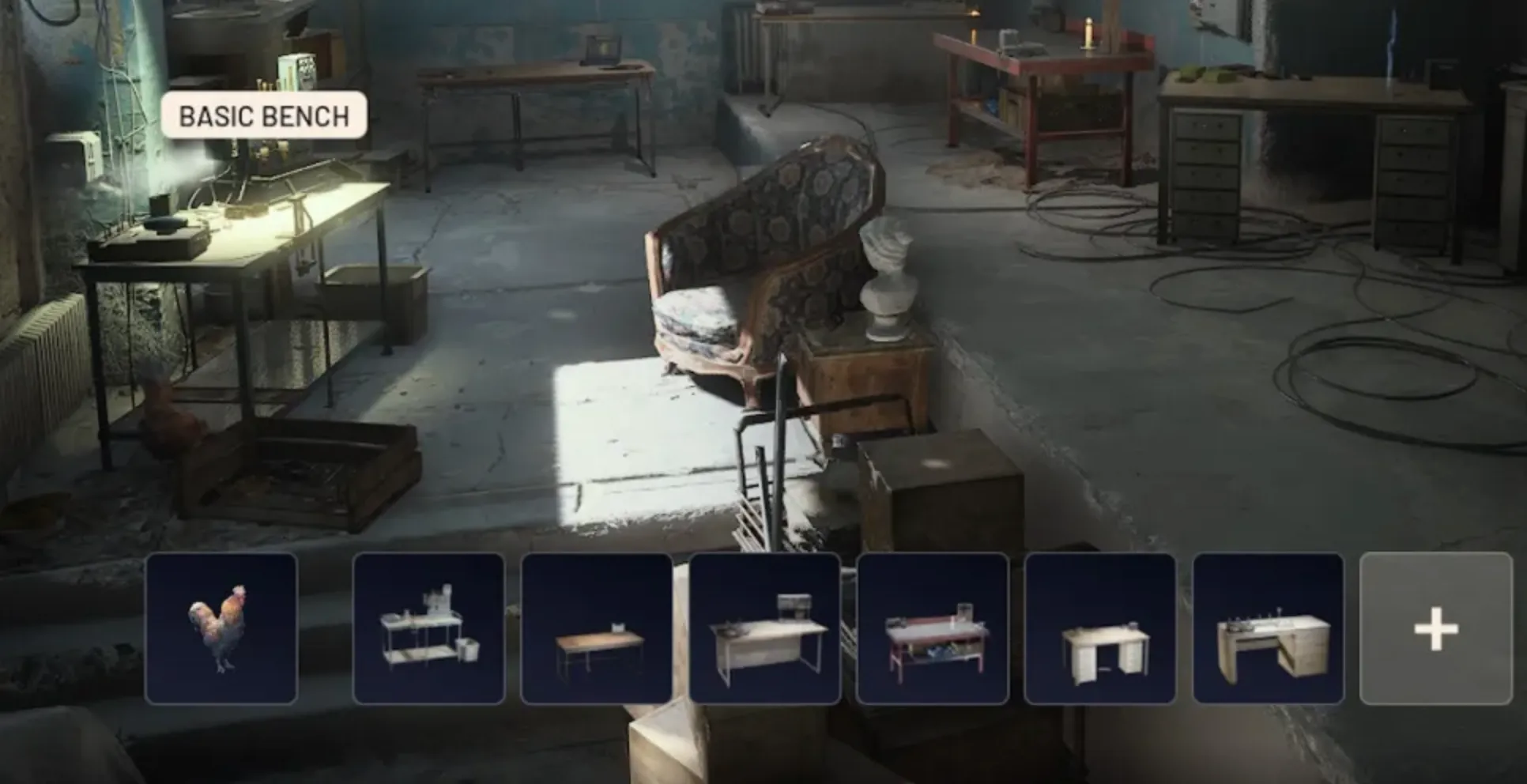
Crafting is one of the main progression pillars in ARC Raiders and ties directly into the core raid loop. You head into dangerous zones to scavenge materials and blueprints, extract safely, and then return to your base to turn those finds into better gear. That stronger equipment then feeds back into future raids, letting you survive tougher enemies and contest higher-value loot areas.
The Workshop and Workbenches
All crafting takes place inside your Workshop, which grows more powerful as you upgrade it. Instead of one universal station, ARC Raiders uses multiple specialized workbenches, each focused on a different type of gear. As you advance, these benches can be upgraded to unlock stronger items and more advanced recipes, making them a long-term investment rather than a one-time unlock.
The Weapon Bench is used for firearms, weapon mods, and gun parts, while the Equipment Bench focuses on shields, augments, and general gear. Medical consumables like bandages and shield rechargers are crafted at the Med Station, and grenades or explosive tools come from the Explosives Bench. The Utility Bench handles gadgets and situational tools, while the Refiner Bench is used to process rare ARC components and scrap into higher-quality crafting materials. Many late-game items require benches to reach Tier 2 or Tier 3 before they even become available.
Blueprints and Unlocks
Blueprints are the key to expanding your crafting options. These are found during raids inside loot containers such as ARC remains, secured lockers, and weapon crates. Simply picking one up isn’t enough; you must successfully extract with it for the blueprint to become permanently unlocked. If you die before extraction, the blueprint is lost. To reduce that risk, valuable blueprints can be placed into your Safe Pocket so they’re protected even if the raid goes wrong. Once unlocked, a blueprint is automatically linked to the correct workbench in your Workshop, ready to be crafted once the required tier is reached.
Scrappy the Rooster
Scrappy is your base’s scavenger companion and one of the most useful passive systems in the game. While you’re out on raids, Scrappy searches for materials on his own and deposits them when you return. As you upgrade him by bringing back specific collectible items, his efficiency improves, increasing both the quantity and quality of resources he finds. Scrappy mainly supplies low- and mid-tier materials like metal parts, fabric, plastic, rubber, and chemicals, making him a reliable support for Workshop upgrades and basic crafting without risking extra raids.
Vendors and Traders in Speranza
Speranza is also home to several Traders who keep the underground economy running. Each vendor specializes in different gear and services, and all of them offer quests that reward currency, items, and experience. Celeste oversees basic supplies and topside materials while guiding the Raiders as a whole. Shani handles security-related items and mission access tools. Tian Wen specializes in weapons, ammo, and mods, unlocking better stock as you complete her contracts. Apollo deals in gadgets and explosives, and Lance focuses on augments, armor, shields, and medical gear.
Completing trader quests not only provides resources but can also unlock rare blueprints and advanced materials. Selling valuables like electronics, refined parts, and scavenged tech is the fastest way to earn currency for vendor purchases. Learning which trader to prioritize early on can make progression smoother and reduce the grind between upgrades.
Together, the crafting system, Scrappy’s scavenging, and Speranza’s vendors form a tight progression loop. Mastering how these systems interact is what turns risky raids into long-term growth instead of repeated losses.
Skill Tree Overview in ARC Raiders

Progression in ARC Raiders goes far beyond the weapons you carry into a raid. Your Raider grows over time through an experience-based system that directly affects how efficiently you move, fight, loot, and survive. Every completed raid, quest, and objective awards XP, which increases your Raider level and grants skill points. These points are spent in specialization trees that gradually shape your playstyle and unlock new advantages that make future raids safer and more rewarding.
As you play, XP fuels multiple systems at once. Your overall Raider level rises, skill points become available, and quests from NPC vendors push you toward specific goals. These quests aren’t just filler; they often reward valuable crafting materials, gear, or even weapons and schematics, while also guiding you toward new areas and mechanics you might otherwise ignore. Together, skills and quests form the backbone of long-term progression.
ARC Raiders features three main skill trees, each focused on a different aspect of survival. The Conditioning tree improves your Raider’s physical endurance, increasing stamina, carry weight, and resistance to environmental damage like explosions or fall impact. Mobility is all about movement, enhancing climbing, vaulting, dodging, and traversal options, with later upgrades enabling faster escapes and more aggressive positioning. The Survival tree leans toward efficiency and stealth, improving looting speed, reducing noise, enabling limited field crafting, and helping players avoid unnecessary fights while maximizing gains.
Skills are unlocked in tiers, meaning early investments open the door to stronger upgrades later on. You’re not forced to commit to a single path, though. Skill points can be spread across multiple trees, allowing you to build a hybrid Raider that blends stamina, movement, and stealth to match your preferred approach. Whether you like aggressive runs, quiet scavenging, or balanced play, the skill system gives you the freedom to adapt your progression as your confidence and experience grow.
FAQs
How do skill points work in ARC Raiders?
Skill points are earned by gaining XP from raids, quests, and objectives. These points are spent in the Conditioning, Mobility, and Survival skill trees to unlock passive bonuses and new abilities.
Can I reset or change my skill tree choices?
You aren’t locked into a single tree. Skill points can be spread across multiple trees, allowing you to build a hybrid playstyle as you progress.
Which skill tree is best for beginners?
Survival is often the most beginner-friendly since it improves looting speed, stealth, and noise reduction, helping new players avoid unnecessary fights and extract safely.
Do quests affect progression?
Yes, quests are a major source of XP, gear, and crafting materials. Some quests also unlock weapons or blueprints, making them essential for steady progression.
Does gear matter more than skills?
Both matter. Gear helps you survive individual raids, while skills provide long-term benefits that make every future raid easier and more efficient.
Conclusion
Starting out in ARC Raiders can feel intense, but once you understand the core systems, the game becomes far more manageable and rewarding. Learning how raids work, choosing the right maps, understanding loot value, managing crafting and vendors, and investing skill points wisely all play a huge role in long-term success. ARC Raiders isn’t about rushing every fight, it’s about smart decisions, preparation, and knowing when to extract. By focusing on the basics early and gradually taking on more risk as your confidence grows, you’ll build steady progression without constantly losing gear. Master the fundamentals first, and the tougher raids will naturally start to feel within reach.
Posted On: January 19th, 2026
Recent Articles


Our 1v9 support team is available 24/7 to help you with any questions or issues you may have.
support@1v9.gg


-a6d5b3e156bb.webp)





Loading...
1v9.gg is not endorsed or affiliated by any game developers or publishers.
2026 1v9, All Rights Reserved, Created By Ritesh (riteshsahoo.com)