

How to Play 2XKO: Complete Beginner's Guide
2XKO is Riot Games’ first step into the fighting game genre, and it is far deeper than many new players expect. Even though the controls are accessible, the game features layered mechanics, tag systems, assists, and combo routes that take time to understand. If you are new to fighting games, it can feel overwhelming at the start.
Choosing the right champions, learning how tagging works, and understanding when to attack or defend are all key parts of improving. The good news is that 2XKO rewards practice. Once you start recognizing patterns, landing simple combo strings, and using assists properly, the game becomes incredibly satisfying.
This beginner’s guide to 2XKO will break down the core mechanics, explain how to build a solid foundation, and give you practical tips that actually help you win matches. If you are ready to improve step by step and avoid common beginner mistakes, this guide will help you get there faster.
How To Pick A Character in 2XKO

Choosing your main champions in 2XKO is one of the most important decisions you will make as a beginner. Since this is a 2v2 tag fighter, you are not just learning one character, you are building a team. The good news is that the current roster is small, which makes it easier to explore your options without feeling overwhelmed.
The first thing to consider is simple but important. Pick characters you actually like. Whether it is their design, animations, personality, or overall vibe, you are going to spend many hours practicing combos and watching their moves. If you enjoy how they look and feel, you will naturally stay motivated to improve.
After that, think about playstyle. In 2XKO, every champion fits into a general archetype. If you prefer controlling space from a distance and forcing opponents to deal with projectiles and traps, characters like Jinx and Teemo are great starting points. Caitlyn also leans toward long-range control, even if she plays a bit differently than traditional zoners.
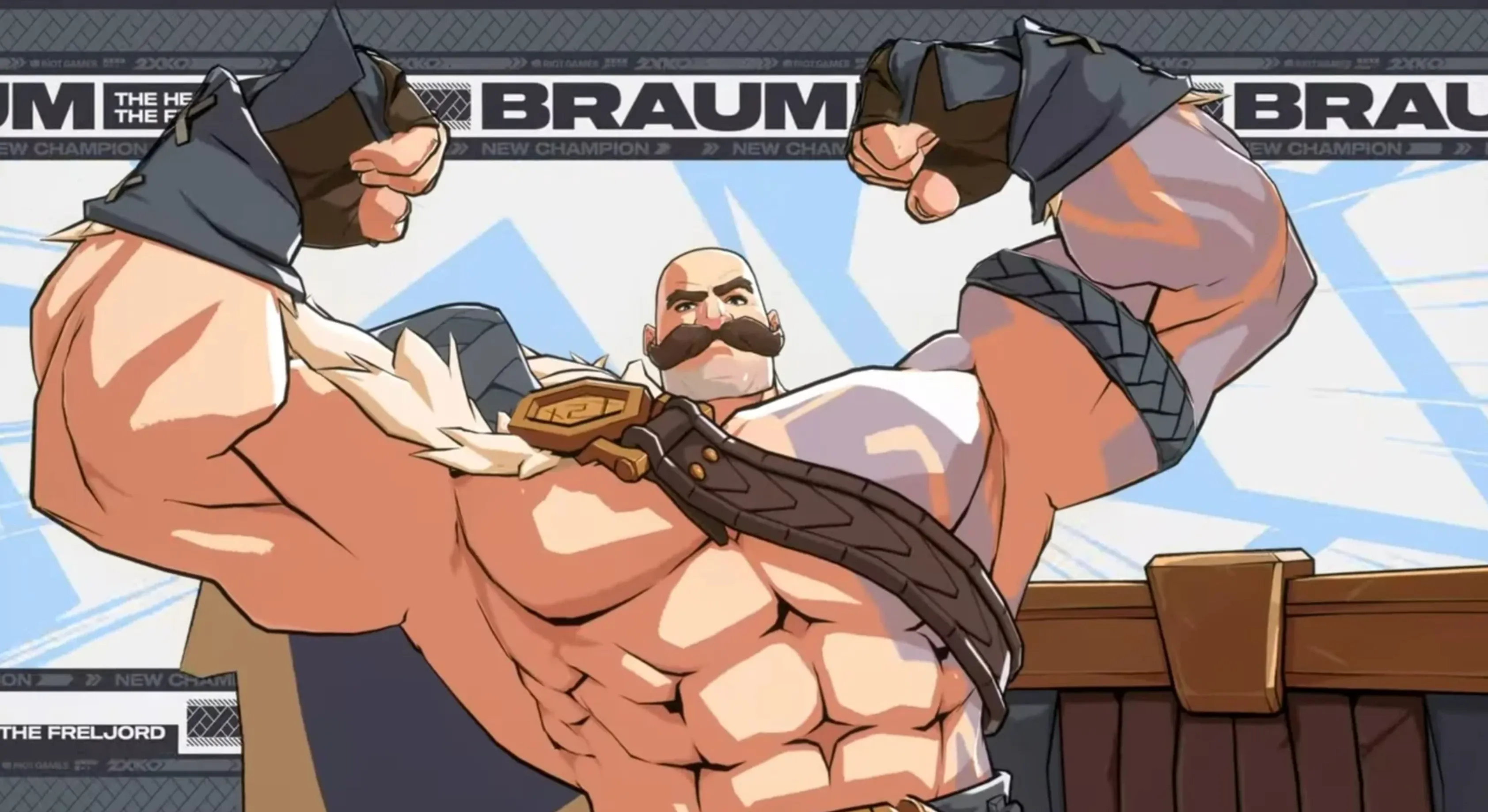
If you enjoy close-range pressure and heavy hits, you might prefer bruiser-style champions such as Darius, Braum, or Blitzcrank. These characters thrive up close and can deal massive damage once they get in. Illaoi also fits into this powerful, grounded category, but her tentacle mechanics give her unique setups that reward smart positioning.
For players who want more mobility and faster-paced gameplay, champions like Vi, Warwick, and Yasuo offer strong melee pressure with better movement options. They let you dash in, apply pressure, and reposition quickly. Ekko brings tricky setups and mind games thanks to his afterimage mechanics, while Ahri blends mobility with projectile pressure, making her flexible and beginner-friendly.
Do not stress too much about difficulty at the start. If a character feels fun, you will learn them over time. The best way to choose your 2XKO main is to test a few champions in practice mode, see which playstyle clicks with you, and build a team that feels natural. When your characters match your preferences, improvement becomes much easier and far more enjoyable.
How To Choose A Fuse in 2XKO
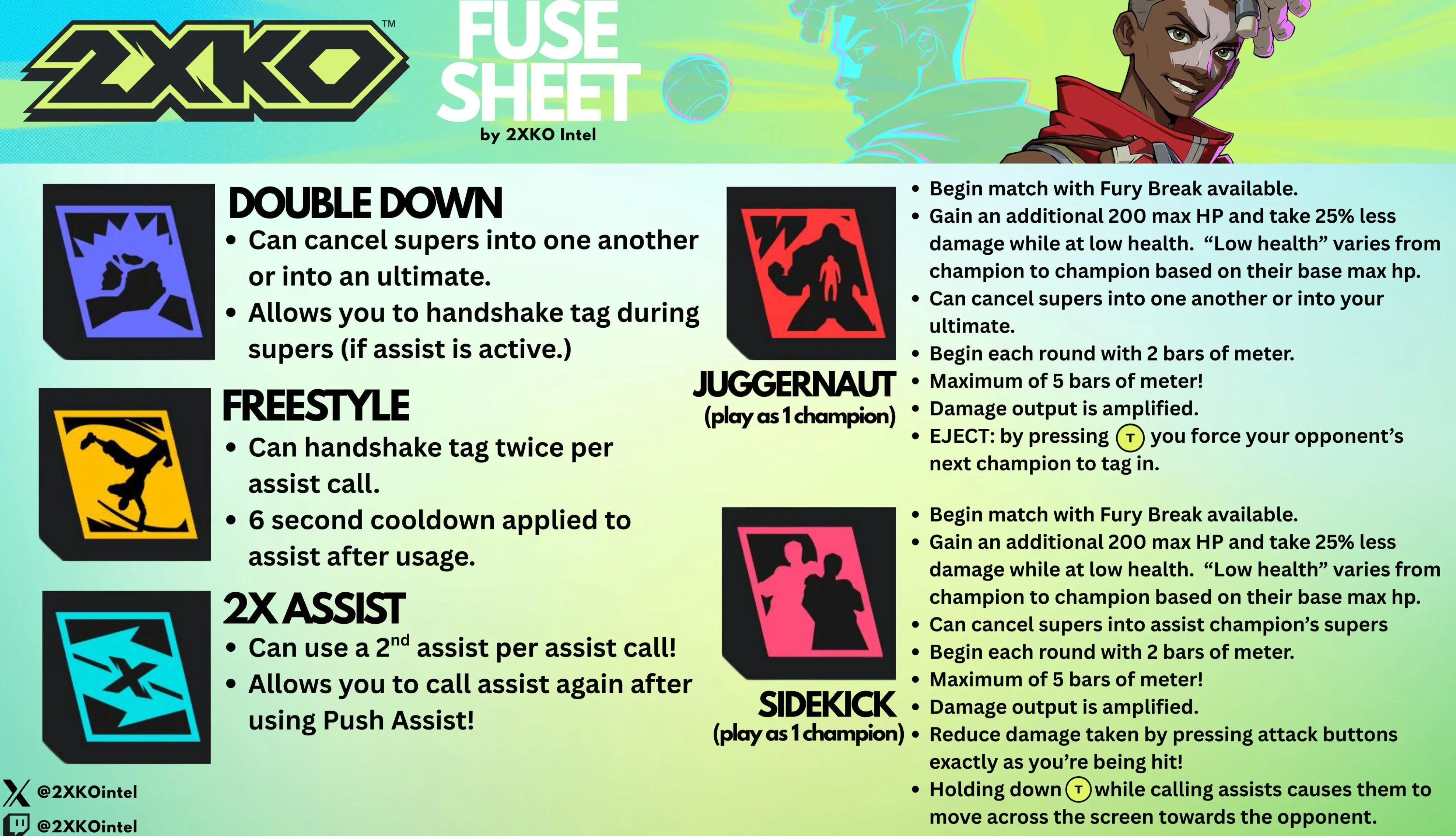
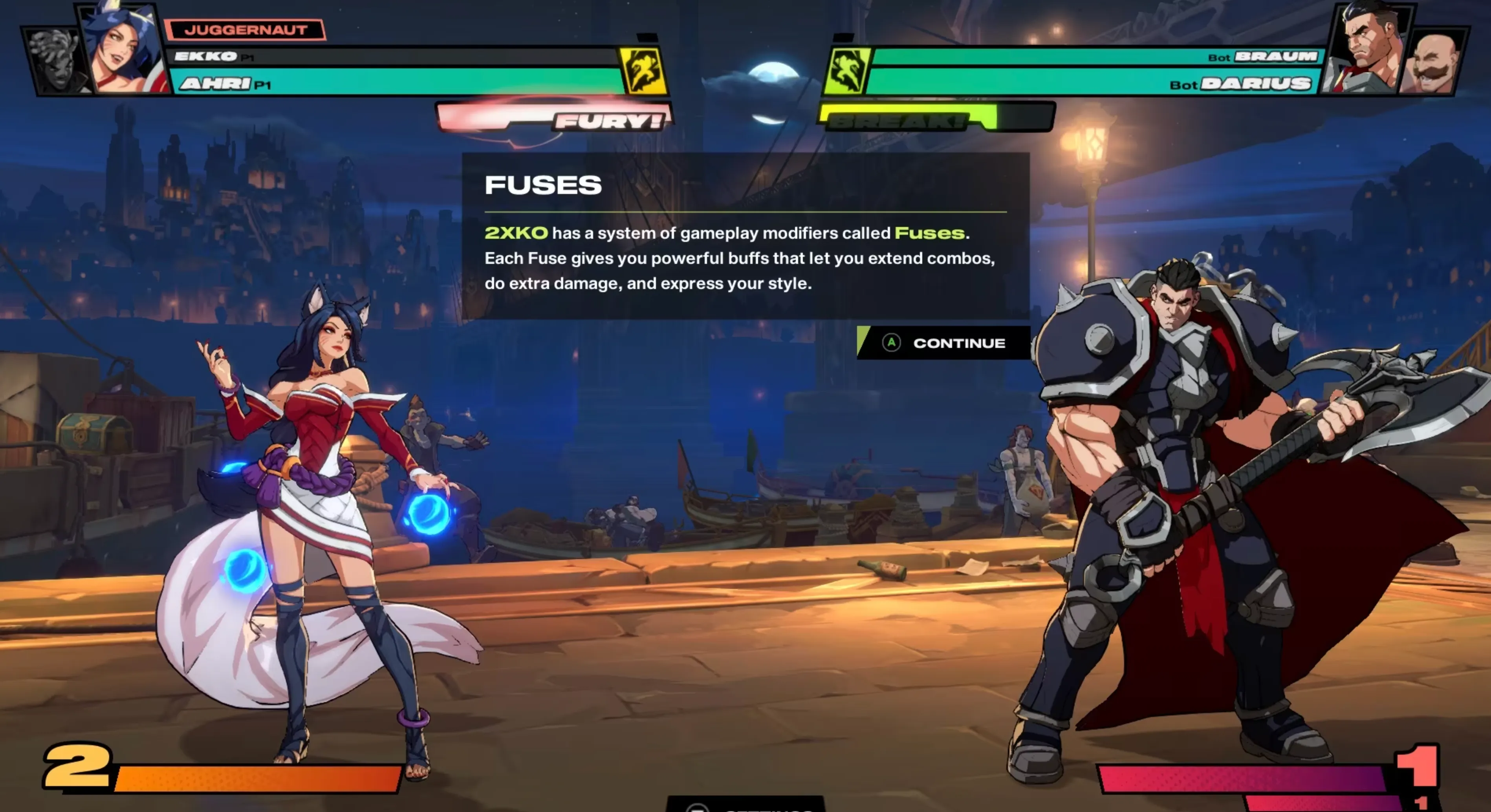
After you lock in your two champions in 2XKO, you also need to select a Fuse. This system changes how your team functions and can completely shape your game plan. For beginners, the Fuse choice can feel confusing at first, especially since each option tweaks mechanics in different ways.
If you are new to fighting games or still learning your first champion, the safest starting point is Juggernaut. This Fuse allows you to focus on a single character instead of actively tagging between two. While that might sound like you are giving something up, it actually helps you learn faster. You can concentrate on one moveset, understand your spacing, practice combos, and get comfortable with core mechanics without worrying about constant switching. Juggernaut also provides useful bonuses such as increased Super Meter gain and other buffs that make solo play more rewarding. For brand-new players, this is often the smoothest way to build fundamentals.
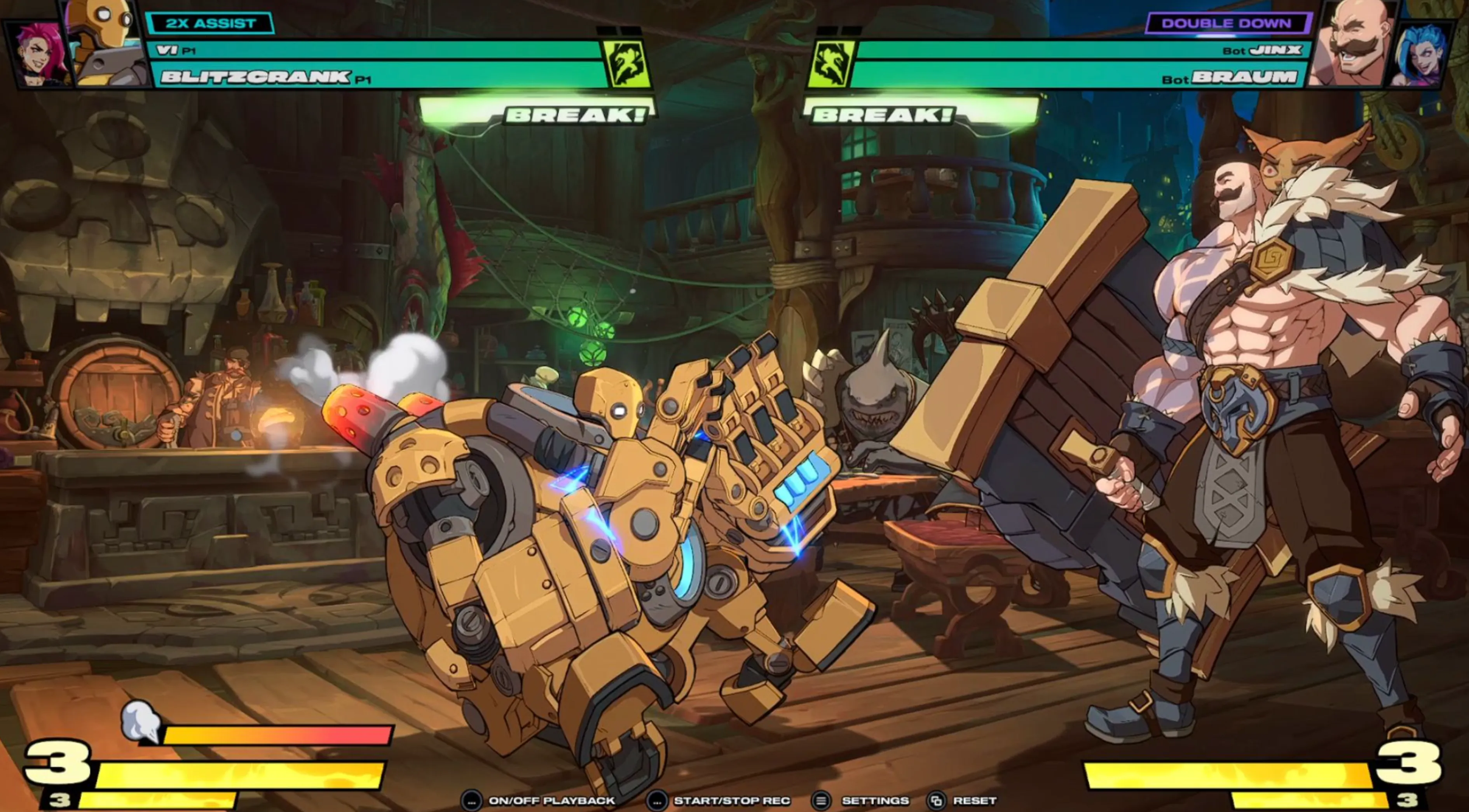
If you are determined to experience the full tag team system from day one, Double Down is the most beginner-friendly option. This Fuse is simple to understand and gives strong value without complicated setups. It allows you to chain Supers together between your two champions, which means you can convert a single opening into massive damage with straightforward inputs. It feels powerful, easy to execute, and works well with almost any team composition.
When choosing a Fuse in 2XKO, think about your current goal. If you want to master one character and improve quickly, go with Juggernaut. If you want to explore tag mechanics and flashy team combos right away, Double Down is a strong and reliable choice. As you gain more experience, you can experiment with other Fuse options, but starting simple will help you improve much faster.
Don’t Get Stuck in Combo Trials
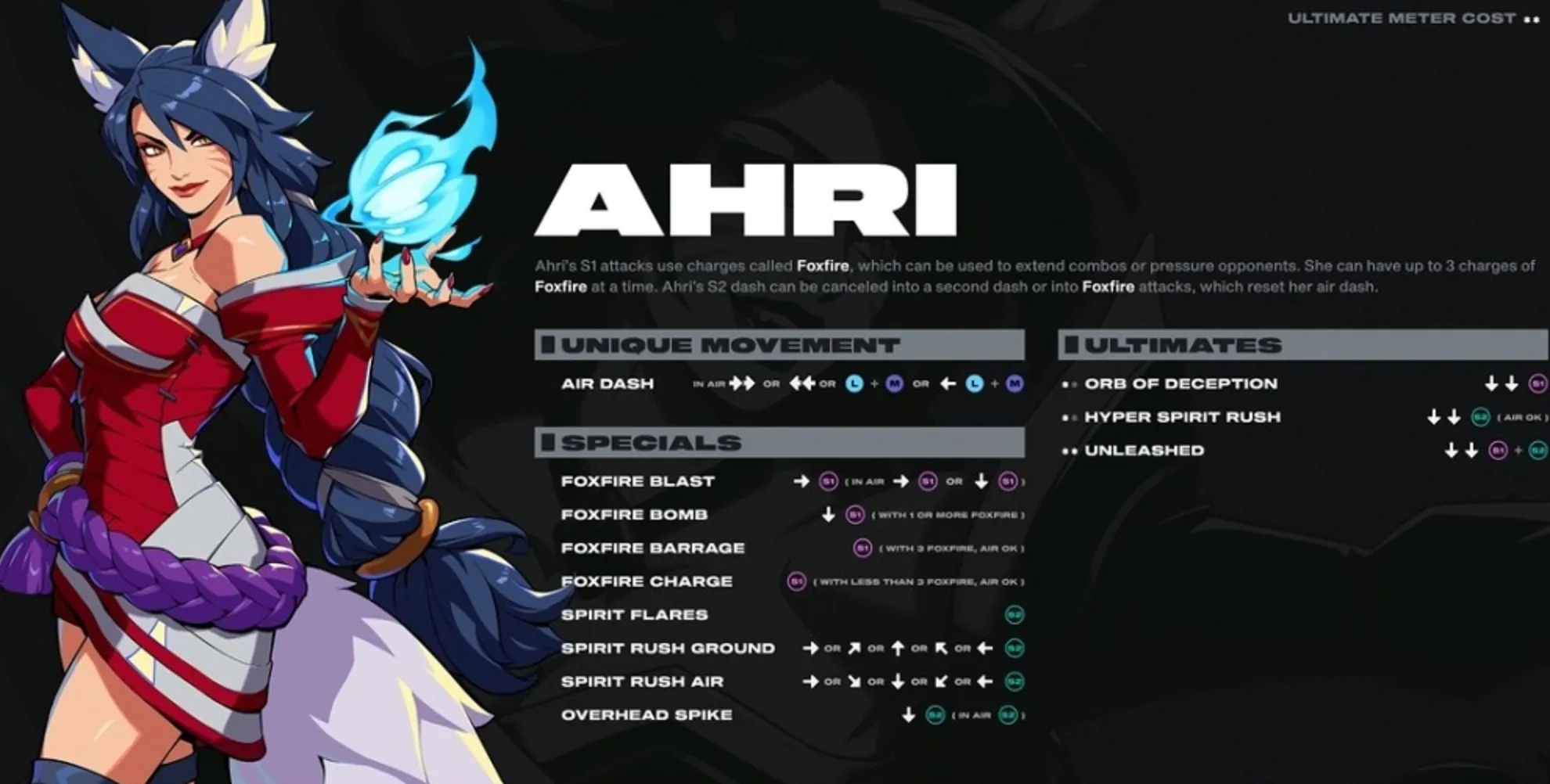
When you first jump into 2XKO, it is tempting to sit in Combo Trials for hours. Many new players think they need to complete every trial before they are “ready” to play real matches. That mindset can actually slow your progress.
Combo Trials in 2XKO are often designed to showcase advanced routes, optimized damage, or character-specific tech. For beginners, they can feel overwhelming. The inputs may be tight, the timing strict, and the sequences longer than anything you will realistically land in your first matches. Trying to perfect every single trial early on can lead to frustration instead of improvement.
That does not mean Combo Trials are useless. They are helpful for understanding what a champion is capable of and how certain moves connect together. They can introduce you to launcher routes, tag extensions, and Super conversions. The key is to treat them as reference material, not mandatory homework.
Instead of grinding every trial, focus on learning a few simple, reliable combos that you can actually land in real matches. Spend more time in Practice Mode experimenting with your own routes. Play matches against real opponents to understand spacing, defense, and pressure. In 2XKO, fundamentals matter far more than flashy optimal combos.
If you are serious about improving in 2XKO, use Combo Trials as a tool, not a checklist. Build consistency first, then come back to advanced routes once you feel comfortable with your character and the game’s mechanics.
No Single-Player Mode, So Use Training Mode
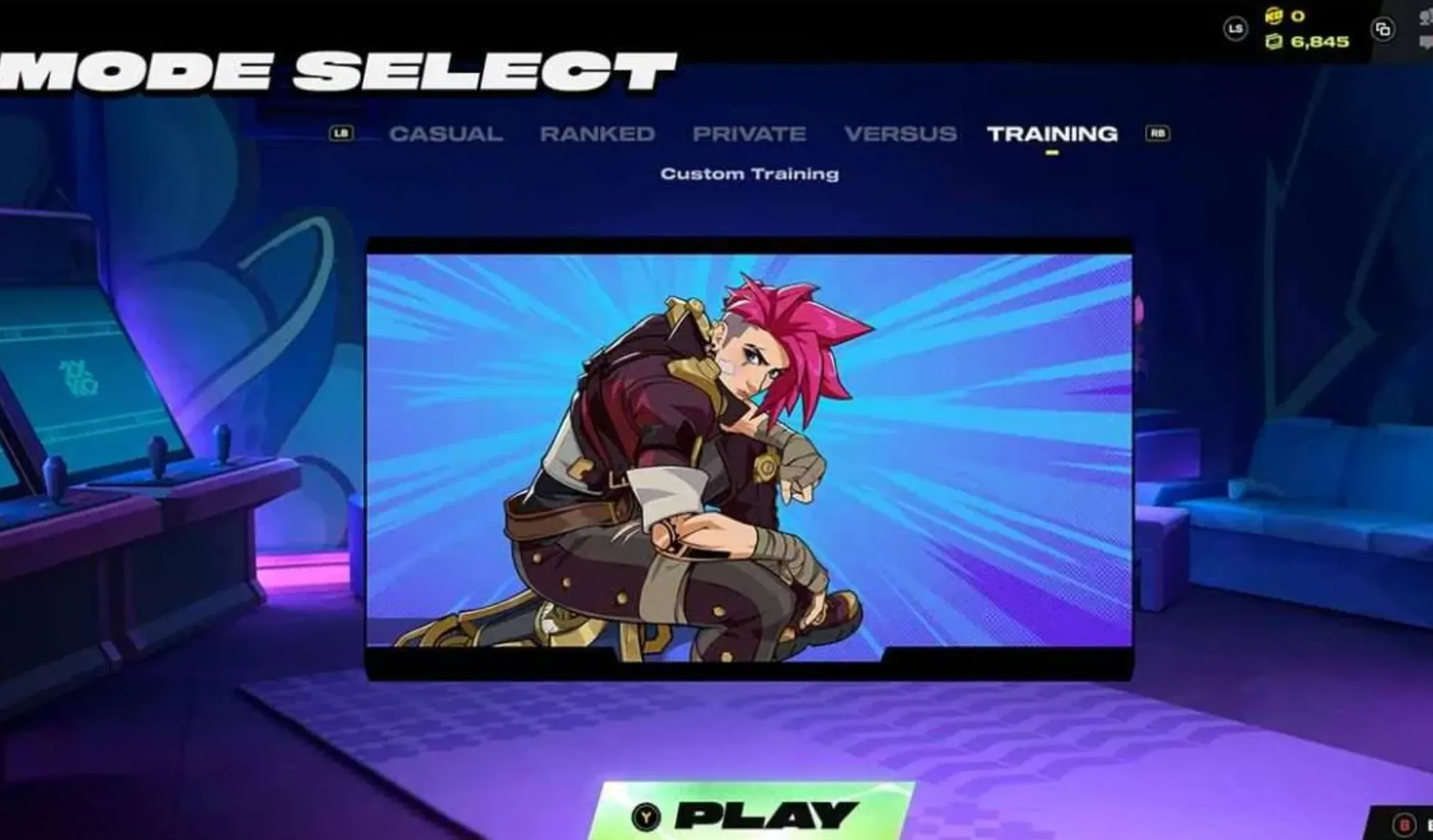
Unlike many fighting games, 2XKO does not launch with a deep single-player campaign where you can slowly learn at your own pace. Most of your improvement will come from two places: online matches and Training Mode. If you want to get better at 2XKO, you need to get comfortable spending time in the lab.
Training Mode in 2XKO is where real progress happens. This is where you test combos, practice confirms, learn safe pressure, and understand how your champions actually function. Even short sessions before queuing ranked can make a big difference. A quick warm-up helps your execution feel cleaner and reduces mistakes once the match starts.
If you are serious about improving in 2XKO as a beginner, try dedicating a few hours each week to focused practice. Work on one simple combo until you can land it ten times in a row without dropping it. Practice anti-airs. Test how your assists extend combos. Learn how your Fuse interacts with your game plan. Small improvements add up quickly.
To get the most out of Training Mode in 2XKO, turn on useful information in the settings. Enable Hitbox Display so you understand why attacks connect or miss. Keep Data Display active so you can track damage and scaling. Turn on the Frame Meter for both your main champion and assist to better understand pressure and recovery. Input History Display is also important, especially if you are new to fighting games, since it helps you see exactly what you are pressing.
You do not need every visual overlay active. Too much information can be distracting. Keep what helps you learn and turn off the rest.
2XKO rewards players who understand spacing, timing, and execution. Since there is no traditional single-player path to carry you forward, Training Mode becomes your foundation. Combine regular practice with real online matches, and you will see steady improvement over time.
The Importance of Combos in 2XKO
You cannot talk about 2XKO without talking about combos. They are not the only thing that matters in this tag fighter, but if you want to deal real damage and close out rounds, you need to understand how they work. Strong neutral and defense will win you openings, but combos are what turn those openings into real health bars disappearing.
If you are new to 2XKO, do not rush into advanced routes you see on social media. Before watching high-level combo videos, you should understand the basic combo structure that the game is built around. 2XKO follows a simple but important rule: attacks generally chain from weaker buttons to stronger ones. That means you move from Light to Medium to Heavy. Trying to go backward usually breaks the sequence and drops the combo.
A simple beginner route looks like this: Light into Medium into Heavy. From there, you can cancel into a Special move and then finish with a Super if you have meter. This basic structure works with almost every champion in 2XKO and gives you a solid starting point.
Once you are comfortable with ground strings, you can start learning launchers and air follow-ups. Many characters can extend combos by ending a ground string with a launcher, jumping after the opponent, and continuing the sequence in the air. For example, you might start with Light into Medium into Heavy, cancel into a launcher, jump forward, then add air Light into air Medium and finish with a Special or Super. The exact buttons change depending on the champion, but the concept stays the same.
Keep in mind that air combos behave differently. Gravity scaling, hitstun, and damage scaling all affect how long you can continue the sequence. As combos get longer, damage reduces, so sometimes a shorter, consistent route is better than a flashy one that is hard to land.
The most important advice for beginners learning combos in 2XKO is this: focus on consistency first. Pick one reliable combo that works off a common starter and practice it until you can land it without thinking. Once that feels natural, slowly add extensions using assists, Supers, or tag mechanics.
Combos in 2XKO are not just about style. They are how you convert pressure into wins. Master the basic Light to Medium to Heavy structure, understand how to cancel into Specials, and build from there. With time in Training Mode and real match experience, your combo game will grow naturally, and your damage output will reflect it.
Should You Use Pulse Combo in 2XKO
If you are new to 2XKO, you have probably noticed the option called Pulse Combo. This is the game’s auto-combo system. By repeatedly pressing Light, Medium, or Heavy, your champion automatically performs a preset combo route. If you have enough meter, the sequence can even end in a Super or Ultimate without extra inputs.
For beginners, this system can feel great. It removes execution pressure and lets you focus on movement, spacing, and understanding how fights flow. Instead of worrying about perfect timing or cancels, you can land real damage just by confirming a hit and pressing the same button. That can build confidence early on and help you see what your character is capable of.
However, there is a trade-off. Pulse Combo limits your options. You are locked into a fixed string, which means you cannot adjust your route based on positioning, assists, or meter management. As you improve, those small adjustments become very important. Being able to choose when to stop a combo, extend it, tag, or bait a defensive option is what separates beginners from stronger players.
Another thing to consider is long-term growth. If you rely only on Pulse Combo, switching to manual combos later might feel awkward. You may understand neutral and basic mechanics, but you will need to relearn how to build routes from Light to Medium to Heavy and cancel into Specials on your own.
So should you use Pulse Combo? It depends on your goal. If you want a smooth entry into 2XKO and a way to deal damage right away, it can be a helpful starting tool. If your goal is to improve quickly and play at a competitive level, it is better to treat Pulse Combo as temporary training wheels and gradually move toward manual combo routes.
In the end, Pulse Combo is not wrong to use. It is a learning shortcut. Just make sure it does not replace the core skills that truly define strong 2XKO gameplay.
Understanding Defensive Mechanics in 2XKO
In 2XKO, strong offense wins rounds, but strong defense wins sets. If you do not understand how to protect yourself, even the best combos will not matter. The game gives you several defensive tools, and learning when to use each one is a huge step toward improving. Here is a clear breakdown of the most important defensive mechanics in 2XKO and how they actually work in real matches.
Blocking
Blocking is your most basic and most important defensive option. Hold back to stand block and down-back to low block. Standing guard protects you from mids, overheads, and most aerial attacks. However, it will not stop low attacks. To defend against lows, you must crouch block.
Understanding the difference between high and low block is essential. Many players lose simply because they guess wrong during pressure. Stay calm, watch your opponent’s habits, and adjust your guard accordingly.
Tech Rolls
After getting knocked down, you are not forced to stay in place. By holding forward or backward as you recover, you can roll in that direction. This helps you escape corner pressure or avoid predictable wake-up setups.
Mixing up your roll direction makes it harder for opponents to trap you as you stand up.
Get-Up Attacks
Instead of blocking on wake-up, you can perform a wake-up strike by holding S1 or S2. This creates a counterattack as you rise. It is a useful surprise tool, but it is not something you should spam. Smart opponents will bait it and punish you.
Use it occasionally to keep your opponent honest.
Break
Break is your emergency escape tool. While being hit, press S1 or S2 together with Tag to spend your entire Break gauge and create an explosion that knocks the opponent away.
This resets the situation and gives you breathing room, but it costs all of your Break resource. Since it is limited, use it wisely. Spending it at the wrong time can leave you vulnerable later in the round.
Anti-Air
Jump-ins are common in 2XKO, especially from aggressive players. Every champion has anti-air options, but crouching Heavy works as a universal anti-air for the entire roster.
If you struggle against airborne pressure, practice reacting with crouching Heavy in Training Mode. Shutting down jump-ins forces your opponent to stay grounded, which slows their offense significantly.
Retreating Guard
After blocking an attack, you can create space by pressing back and dash. This pushes you slightly away from your opponent, helping you escape tight pressure strings.
It does not work against low attacks, so timing and awareness are key. Use it when you feel your opponent is overextending.
Push Assist
While blocking, you can activate your assist to push the opponent farther away. This buys you space and can break their momentum. Keep in mind that this counts as an Assist Action, so it has a short cooldown.
Because of that cooldown, do not waste it on light pressure. Save it for moments where you truly need distance.
Parry
Parry is a high-risk, high-reward defensive mechanic. If you time it perfectly right before an attack lands, you will avoid the hit and leave your opponent open. It does not work the same way against projectiles, and it costs one bar of meter to attempt.
If you fail the parry, you lose the meter and remain vulnerable. This makes it a powerful but risky option. Use it when you have read your opponent’s pattern and feel confident in the timing.
Mastering these defensive mechanics in 2XKO will instantly improve your survival rate in matches. Strong defense forces your opponent to think twice, slows the pace of the fight, and gives you more opportunities to take control. In a fast-paced tag fighter like 2XKO, knowing how to defend is just as important as knowing how to attack.
Conclusion
2XKO can feel overwhelming at first, especially if this is your first fighting game. The mechanics are deep, the systems are layered, and the pace can be fast. But once you understand the basics like choosing the right champions, learning simple combo structure, practicing in Training Mode, and using proper defense, everything starts to make sense.
The key to improving in 2XKO is consistency. Spend time practicing your combos, understand your fuse options, and focus on fundamentals like blocking, anti-airs, and spacing before worrying about advanced tech. You do not need to master everything at once. Start simple, build confidence, and improve step by step.
If you stick with it, 2XKO becomes one of the most rewarding competitive experiences out there. The more you learn, the more satisfying each match feels. Keep practicing, stay patient, and you will see real progress.
Posted On: February 24th, 2026
Recent Articles


Our 1v9 support team is available 24/7 to help you with any questions or issues you may have.
support@1v9.gg


-a6d5b3e156bb.webp)





Loading...
1v9.gg is not endorsed or affiliated by any game developers or publishers.
2026 1v9, All Rights Reserved, Created By Ritesh (riteshsahoo.com)