

Best Phones for Pokémon GO in 2026: Battery, GPS and Value Picks
The best phone for Pokémon GO in 2026 is the one that combines dependable GPS, a bright outdoor display, strong battery life, and sustained performance—not simply the highest benchmark score. The iPhone 17 Pro Max is our best iOS choice, the Galaxy S26 Ultra is the most complete Android option, and the Poco X7 Pro remains the value pick if you want smooth play without flagship pricing.
Checked August 27, 2026: Niantic currently requires iOS 15 or Android 9, GPS and Location Services, a strong internet connection, and at least 2GB of RAM. Meeting the minimum does not guarantee flawless performance on every model. Prices below are U.S. reference prices or broad street-price bands and can change by storage, retailer, carrier, and country.
Best phones for Pokémon GO at a glance
| Phone | Best for | Why it fits Pokémon GO | Main drawback | 2026 price context |
|---|---|---|---|---|
| iPhone 17 Pro Max | Best iPhone | Bright large screen, long battery rating, stable iOS support | Expensive and heavy | Launched from $1,199 in the U.S. |
| Galaxy S26 Ultra | Best Android | Excellent outdoor display, capable modem and 5,000mAh battery | Premium price | Launched from $1,299.99 in the U.S. |
| RedMagic 10 Pro | Long sessions | Large battery and active cooling for sustained play | Cameras and software support are less polished | Availability varies by region |
| ROG Phone 9 Pro | Gaming extras | Large battery, gaming controls, strong sustained performance | More phone than Pokémon GO needs | Often sold above mainstream flagships |
| OnePlus 13 | Flagship value | Fast charging, bright display and strong battery life | Now a previous-generation model | Look for discounted new stock |
| Poco X7 Pro | Budget performance | Good battery and smooth display for much less money | Regional bands, software and camera quality vary | Usually midrange pricing |
| iPhone 16 Pro Max | Discounted iPhone | Still fast, bright and well supported | Only attractive at a meaningful discount | Compare refurbished and remaining stock carefully |
What does Pokémon GO actually require?
Niantic's supported-device page lists iPhone 6s or newer with iOS 15, or an Android phone with Android 9 or newer. Both platforms need GPS, Location Services, reliable Wi-Fi or mobile data, and at least 2GB of RAM. Rooted and jailbroken devices are not supported.
Those are launch requirements, not buying recommendations. Busy raids, high screen brightness, background location activity, Bluetooth accessories and summer heat can expose weaknesses that a minimum-spec phone hides. A good 2026 purchase should have several years of remaining software support, reliable cellular bands for your country and a battery you can replace or service locally.
The best Pokémon GO phones in 2026
iPhone 17 Pro Max: best iPhone
Apple rates the 17 Pro Max for up to 39 hours of local video playback and 35 hours of streamed playback. That is not a Pokémon GO runtime test, but it is useful evidence of its battery headroom. The large, bright panel is easy to read outdoors, the phone receives iOS updates directly from Apple, and accessories such as Pokémon GO Plus + work without the fragmentation that can affect some Android models.
Choose it if: you already use iOS and want the least complicated premium option. Skip it if: cost, weight, or charging flexibility matters more than having Apple's newest flagship.
Samsung Galaxy S26 Ultra: best Android
The S26 Ultra combines a 6.9-inch display, a 5,000mAh battery and broad mainstream carrier support. Samsung launched the 256GB model at $1,299.99 in the U.S. on March 11, 2026. For Pokémon GO, the practical advantages are outdoor visibility, dependable cellular hardware and a long support window—not the camera system.
Choose it if: you want a premium Android phone that is also easy to service and accessorize. Skip it if: you only need Pokémon GO; several cheaper phones run the game comfortably.
RedMagic 10 Pro: best for long event days
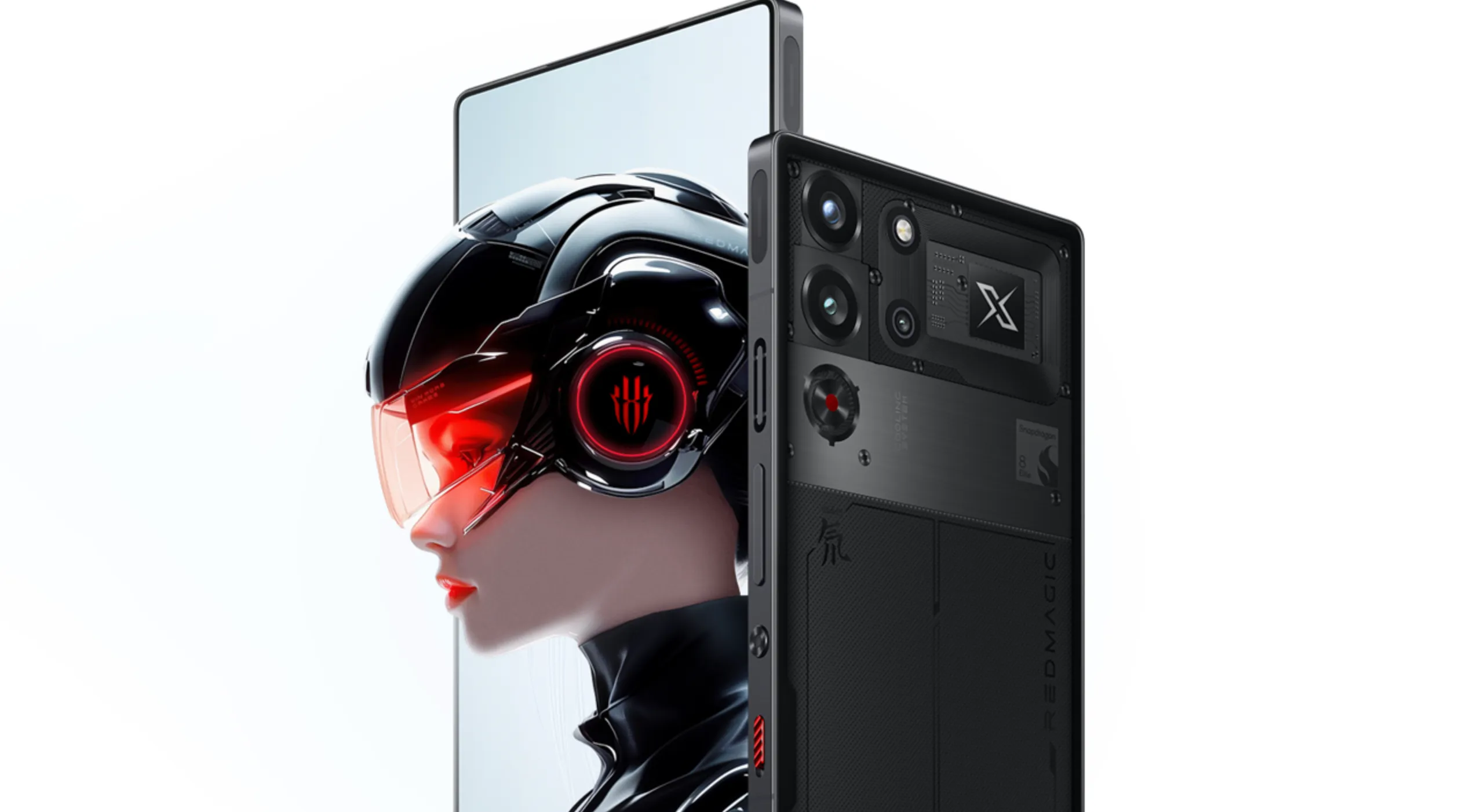
Gaming-phone cooling is more relevant to Pokémon GO than extreme frame rates. Heat raises power use and can force the screen to dim, so active cooling and a large battery help during raids, routes and event weekends. The compromise is a less polished camera and update experience than Apple or Samsung, plus uneven regional availability.
ROG Phone 9 Pro: best gaming extras
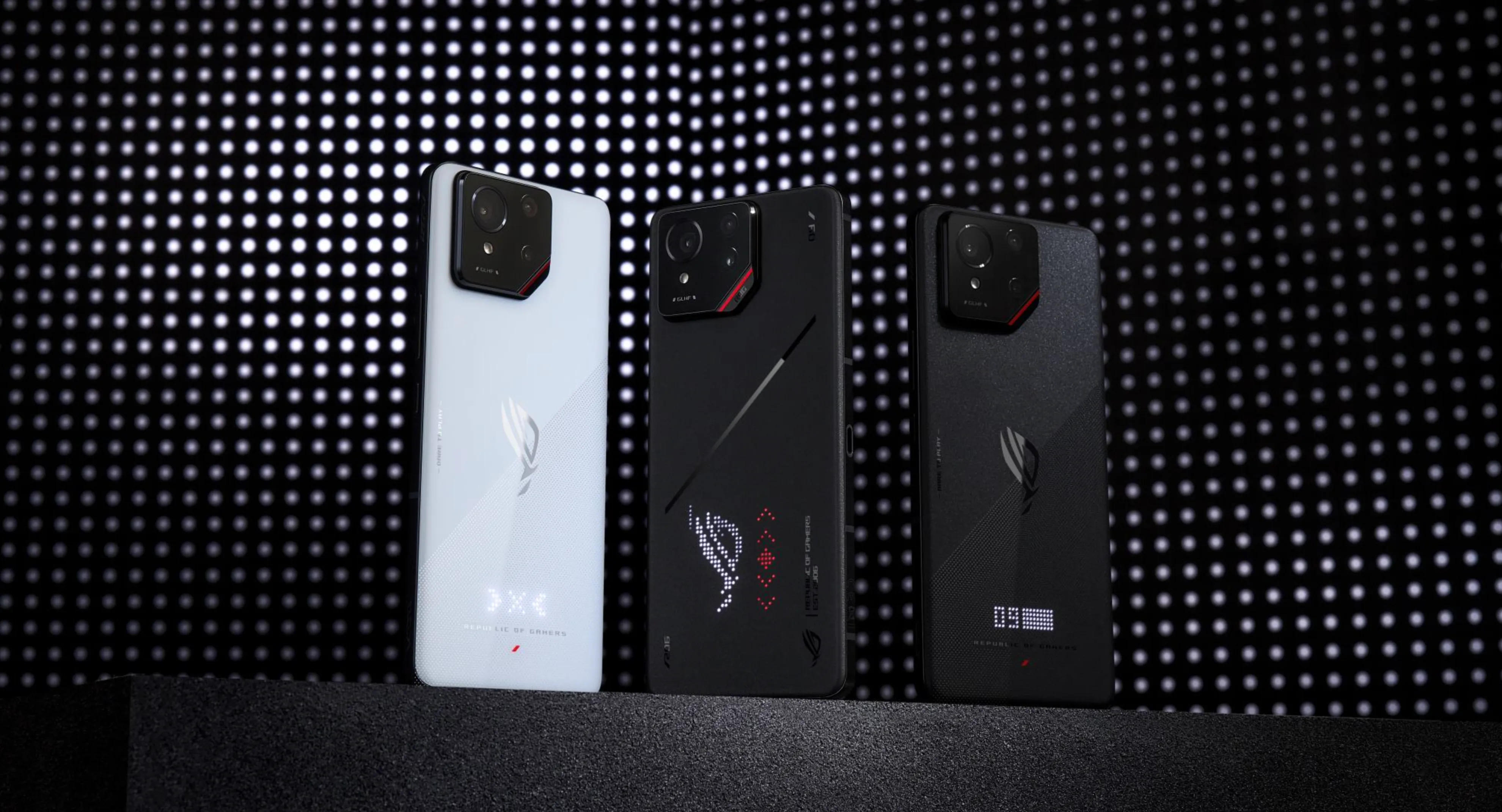
This is the enthusiast choice: large battery, strong cooling and extensive performance controls. It makes sense if Pokémon GO is one of several demanding mobile games you play. Buying it only for catching and raids is poor value, because GPS stability, sunlight legibility and battery health matter more than its highest refresh-rate modes.
OnePlus 13: best discounted flagship
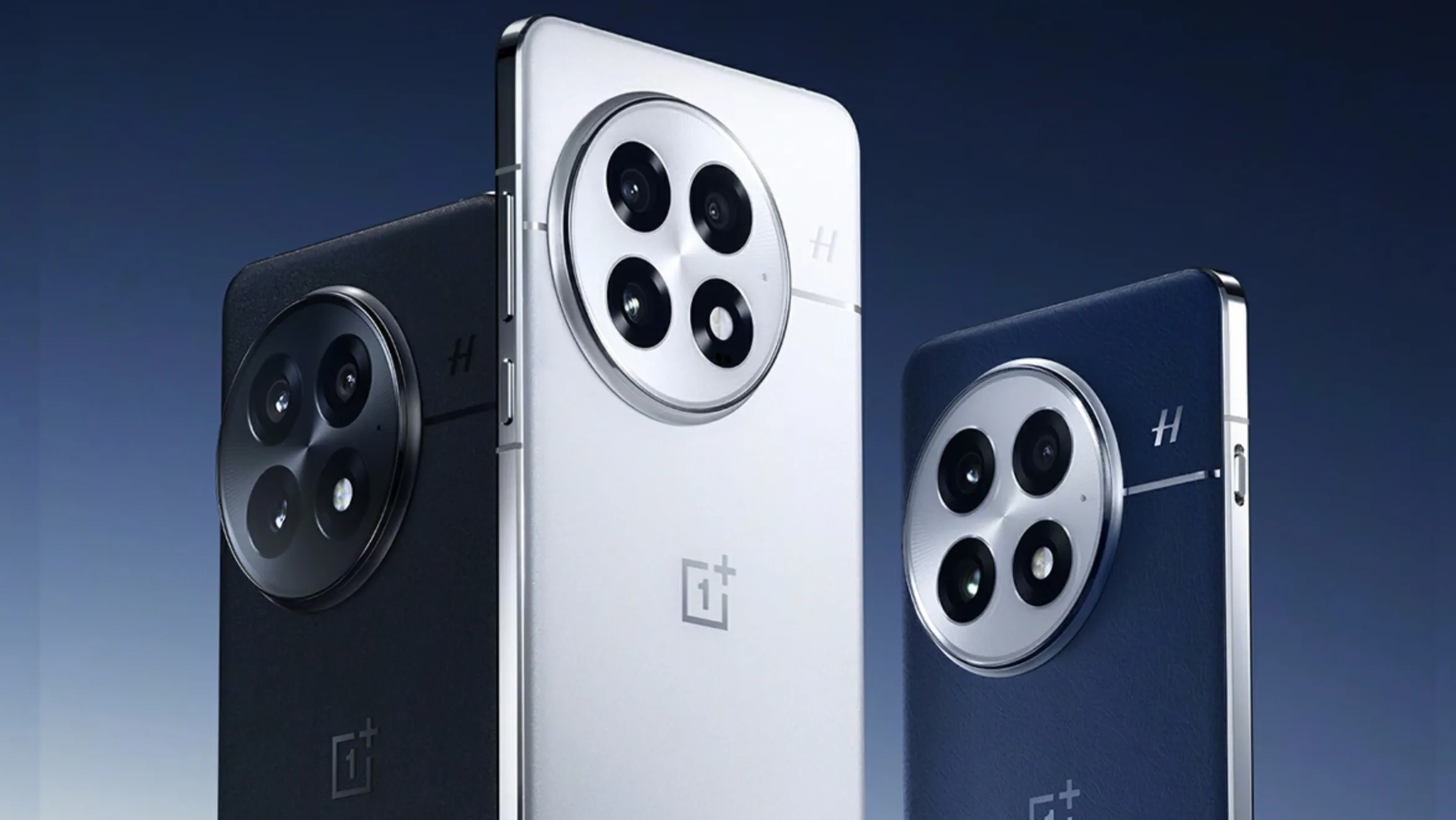
The OnePlus 13 is no longer the newest model, which is precisely why it can be sensible. Its fast charging, large battery and bright screen remain a strong fit. Check the seller's warranty, supported cellular bands and remaining update policy before importing one.
Poco X7 Pro: best budget-performance balance
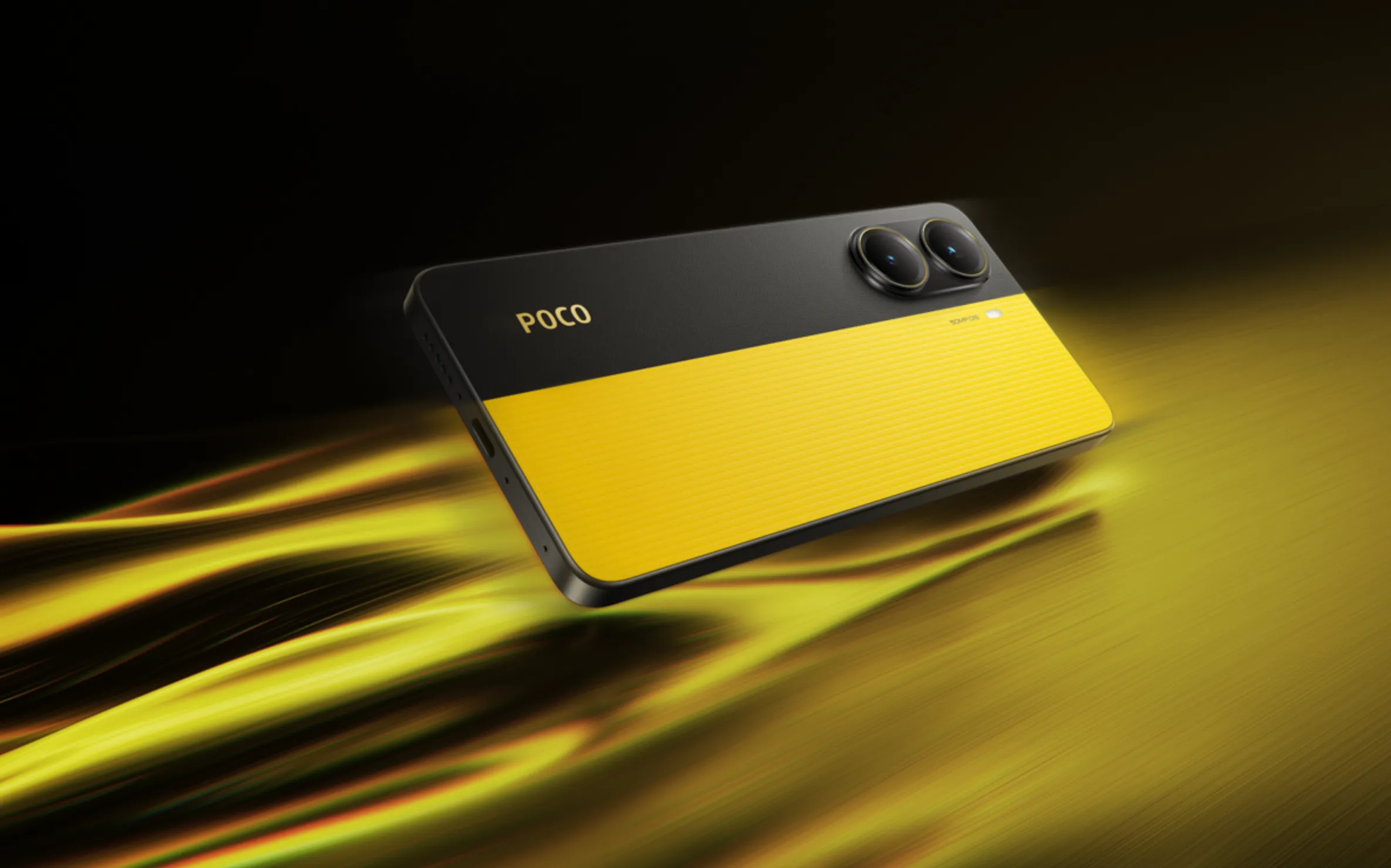
Pokémon GO does not need a flagship processor. The X7 Pro's value is that it leaves room in your budget for a power bank, protective case and data plan. Its limitations are regional software differences, less predictable carrier compatibility in North America and cameras that trail premium phones.
What matters more than gaming benchmarks?
GPS and mobile bands
A phone can be fast yet frustrating if it drifts around PokéStops or lacks your carrier's important LTE/5G bands. Buy a regional model whenever possible.
Outdoor brightness
Sustained visibility matters more than a brief peak-brightness claim. Heat can make a screen dim during a long event.
Battery service
A replaceable-by-service battery and local parts support can be worth more than a slightly larger sealed battery.
Update policy
Niantic raises minimum OS requirements over time. A longer support window protects the purchase better than surplus performance today.
How to make any compatible phone last longer
- Use Pokémon GO's battery-saver option and lower brightness when sunlight allows.
- Download game assets over Wi-Fi before an event so the phone does less network work outdoors.
- Remove a thick case temporarily if the phone becomes hot, but keep it protected while walking.
- Carry a reputable USB-C or MagSafe-compatible power bank and avoid charging under direct sun.
- Do not disable Location Services: that breaks the core game rather than saving power usefully.
If you're returning to the game, pair the hardware advice with our Pokémon GO beginner tips. Once you are comfortable, the guides to strong gym attackers and reliable gym defenders are more useful than buying a phone solely for a small performance gain.
Frequently asked questions
Does Pokémon GO need a gaming phone?
No. A recent mainstream phone with reliable GPS, 4GB or more of RAM, a healthy battery and a supported operating system is enough. Gaming phones mainly help with long sessions, cooling and charging.
Is Android or iPhone better for Pokémon GO?
Both are fully viable. iPhone offers a smaller, predictable hardware range; Android offers more price points, larger batteries and faster charging. Regional GPS and carrier performance matter more than the operating-system label.
Should I buy a used phone for Pokémon GO?
Used can be good value if you verify battery health, screen burn-in, GPS, cellular bands, activation lock and remaining OS support. Avoid rooted or jailbroken devices because Niantic does not support them.
Sources and update policy
Compatibility was checked against Niantic's supported-device documentation. Model specifications and launch pricing were checked against Apple and the Samsung Newsroom. We review this page when Niantic changes operating-system support or a new phone generation materially changes the recommendations.
Posted On: March 11th, 2025
Recent Articles


Our 1v9 support team is available 24/7 to help you with any questions or issues you may have.
support@1v9.gg


-a6d5b3e156bb.webp)





Loading...
1v9.gg is not endorsed or affiliated by any game developers or publishers.
2026 1v9, All Rights Reserved, Created By Ritesh (riteshsahoo.com)