


League of Legends Will Now Have Voice Chat for Solo Queue
League of Legends might finally be taking a big step toward improving communication in ranked play. Recent discoveries inside the Patch 16.5 PBE files suggest that Riot Games is actively experimenting with team voice chat for solo queue and flex matches. For years, players have relied only on pings and typed messages unless they were grouped with friends, but that could soon change.
Data miners uncovered new interface elements connected to voice functionality, including personal volume controls, mute buttons for individual teammates, and what looks like a dedicated in-game voice channel panel. Even more interesting, there appears to be a specific report category tied to voice communication, which strongly suggests Riot is preparing moderation tools before fully rolling anything out. That detail alone shows this is not just a rough test, but something being built with structure and oversight in mind.
Unlike the current party voice system that has been limited to premade groups since 2018, this potential update seems designed for full team integration in ranked environments. If implemented, it could completely change how solo queue feels, especially in higher ranks where coordination often decides games. In this article, we break down everything discovered so far about League of Legends voice chat for solo queue, what it could mean for ranked play, and what players should expect moving forward.
The Impact of Adding Voice Chat To League of Legends
If Riot decides to fully release team voice chat for solo queue, it would easily be one of the biggest changes to League of Legends communication since the game launched. For more than a decade, coordination in ranked has depended almost entirely on pings and text chat. While party voice has existed for premade groups, Riot has consistently avoided enabling open voice for random teammates, mainly because of toxicity concerns and the difficulty of moderating live conversations.
The recent PBE discoveries point toward something much larger than the existing party system. It looks like Riot is testing a version of voice chat that could function inside regular ranked matches, allowing five solo players to speak to each other in real time. If that happens, it would completely change how solo queue feels, especially in higher MMR games where split-second calls around Baron, Dragon, Herald, and lane swaps can decide everything.
One of the biggest advantages of voice communication in competitive games is clarity. Instead of spam pings or delayed typing, players could instantly call for engages, disengages, vision control, or objective trades. In coordinated moments like contesting Elder Dragon or setting up a dive on side lane, even a two-second delay can be the difference between winning and throwing the game. Voice removes that delay.
In competitive environments like MOBAs and esports titles, real-time voice communication has consistently shown to improve teamwork and faster decision-making. Clear verbal calls reduce misunderstandings, help teams react to unexpected plays, and make macro coordination smoother. If League of Legends finally adopts this system for solo queue, it could raise the overall quality of ranked games while also changing the social dynamic of the ladder entirely.
When League of Legends Voice Chat Feature For Ranked is Gonna Release?
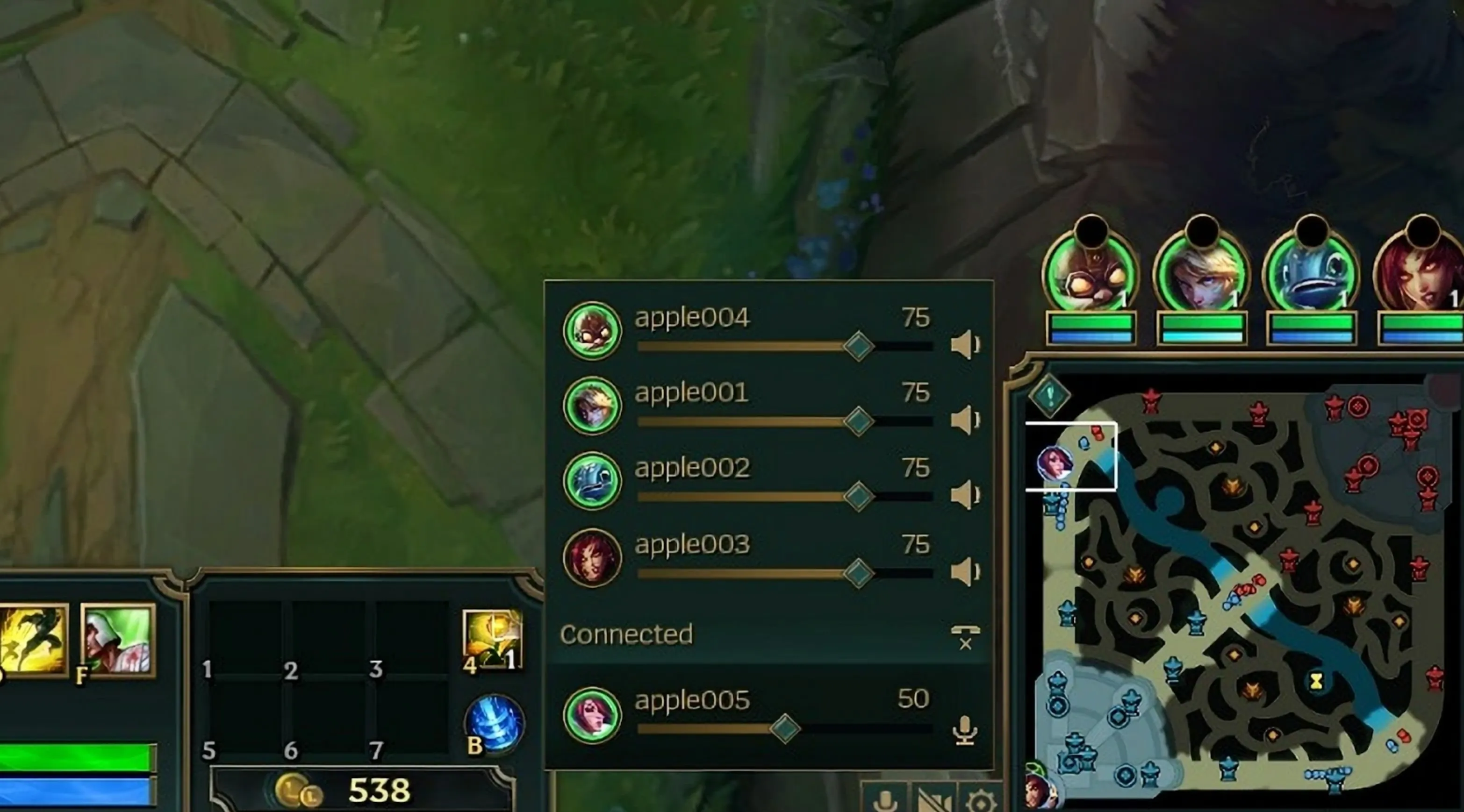
Right now, there is no official release date for ranked voice chat in League of Legends. The feature was found inside the Patch 16.5 PBE files, which means it is still being tested and is not confirmed for live servers. Anything that appears on the PBE can change, get delayed, or even be removed entirely before players ever see it in ranked.
That said, the fact that voice-related interface elements and reporting options were discovered suggests Riot is seriously experimenting with the idea. When features reach this level of development, they are usually past the early concept stage. If internal testing goes well and Riot feels confident about moderation tools, the feature could move into a future patch cycle. However, that timeline depends on performance testing, player feedback, and how safe Riot believes the system will be in a competitive environment.
The potential timing also fits with Riot’s broader focus on improving ranked match quality. Over the years, Riot has mentioned that voice chat for random teammates has been discussed internally, but concerns around toxicity have always slowed progress. If the company now feels ready to manage voice abuse with proper reporting systems, filters, and mute controls, that could clear the final hurdle.
If ranked voice chat does go live, it could significantly change how solo queue feels across all skill levels. Real-time communication would make it easier to call summoner spell timers, coordinate jungle pathing, set up Baron plays, and manage rotations without relying only on pings. Ranked games could feel more structured and closer to organized team play.
At the same time, success will depend heavily on player control and moderation. Strong mute options, clear reporting tools, and the ability to opt out will be essential. Riot will need to strike the right balance between better coordination and maintaining a healthy competitive space. Until an official announcement is made, players should treat the feature as promising but still unconfirmed.
League of Legends Community Reaction to the Voice Chat Leak

The voice chat leak immediately set off debates across the League of Legends community. On one side, many players see ranked voice chat as something the game has needed for years. Streamers and competitive-focused players argue that real-time communication would make solo queue feel more coordinated and less chaotic. Instead of relying only on pings or rushed text during fights, teammates could quickly call plays, warn about flanks, or coordinate objective setups in seconds.
For a lot of players, this feels like a natural evolution of ranked. Almost every major competitive multiplayer game already supports team voice chat in some form. Supporters believe that adding it to League would raise overall match quality and make ranked games feel closer to organized scrims or Clash matches.
At the same time, not everyone is celebrating. Concerns about toxicity are front and center in the discussion. League has always had a reputation for heated moments, and some players worry that open voice channels could make harassment more personal and immediate. Riot has historically taken a cautious approach to features that might increase verbal abuse, which is why the discovery of built-in voice moderation tools caught so much attention.
The presence of individual volume controls, mute options, and a dedicated report category for voice communication suggests Riot understands the risks. It shows that, if the feature moves forward, it will likely come with strong safeguards and player control options.
Across the industry, voice chat in competitive games has always been a double-edged sword. It can dramatically improve teamwork and decision-making, but without proper systems in place, it can also create new problems. The mixed reaction from the community reflects that balance. Many players want better coordination in ranked, but they also want protection from abuse. How Riot handles that balance will ultimately decide whether voice chat becomes a positive turning point or a controversial addition.
Conclusion
If team voice chat truly comes to solo queue and flex, it could mark one of the biggest updates to League of Legends ranked in years. For a game that has relied on pings and text for so long, adding real-time communication would completely change how players coordinate objectives, set up plays, and react in high-pressure moments. Faster calls for Baron, cleaner rotations, and clearer shotcalling could raise the overall level of play across every rank.
At the same time, this feature will only succeed if it is implemented carefully. Strong moderation tools, easy mute options, and clear reporting systems will be essential to protect players and keep ranked healthy. Riot has clearly taken its time with this idea, and the leaked files suggest they are preparing the proper safeguards before moving forward.
Whether you see voice chat as a competitive upgrade or a risky experiment, there is no denying its potential impact. If it goes live, solo queue could feel more organized, more strategic, and closer to a true team environment than ever before.
Posted On: February 18th, 2026
Recent Articles


Our 1v9 support team is available 24/7 to help you with any questions or issues you may have.
support@1v9.gg

-a6d5b3e156bb.webp)





Loading...
1v9.gg is not endorsed or affiliated by any game developers or publishers.
2026 1v9, All Rights Reserved, Created By Ritesh (riteshsahoo.com)