


How To Get Unbanned From TFT: Ban Appeal Guide
Getting banned from Teamfight Tactics can feel frustrating, especially when you lose access to your ranked progress, cosmetics, and your Riot account features across the ecosystem. TFT’s automated detection system and manual reviews are designed to keep matches fair, but that also means players can sometimes receive bans for misunderstandings, accidental rule breaches, or account-related issues they weren’t even aware of. The good news is that most TFT bans can be appealed, and a clear, well-written request can help you recover your account. In this guide, you’ll learn every important part of the TFT unban process—ban types, the most common reasons players get punished, how to properly submit a Riot support appeal, how long unbans typically take, and how to avoid future penalties. This walkthrough is designed to make the entire process easier so you have the best possible chance of getting your TFT account back.
Teamfight Tactics Ban Types
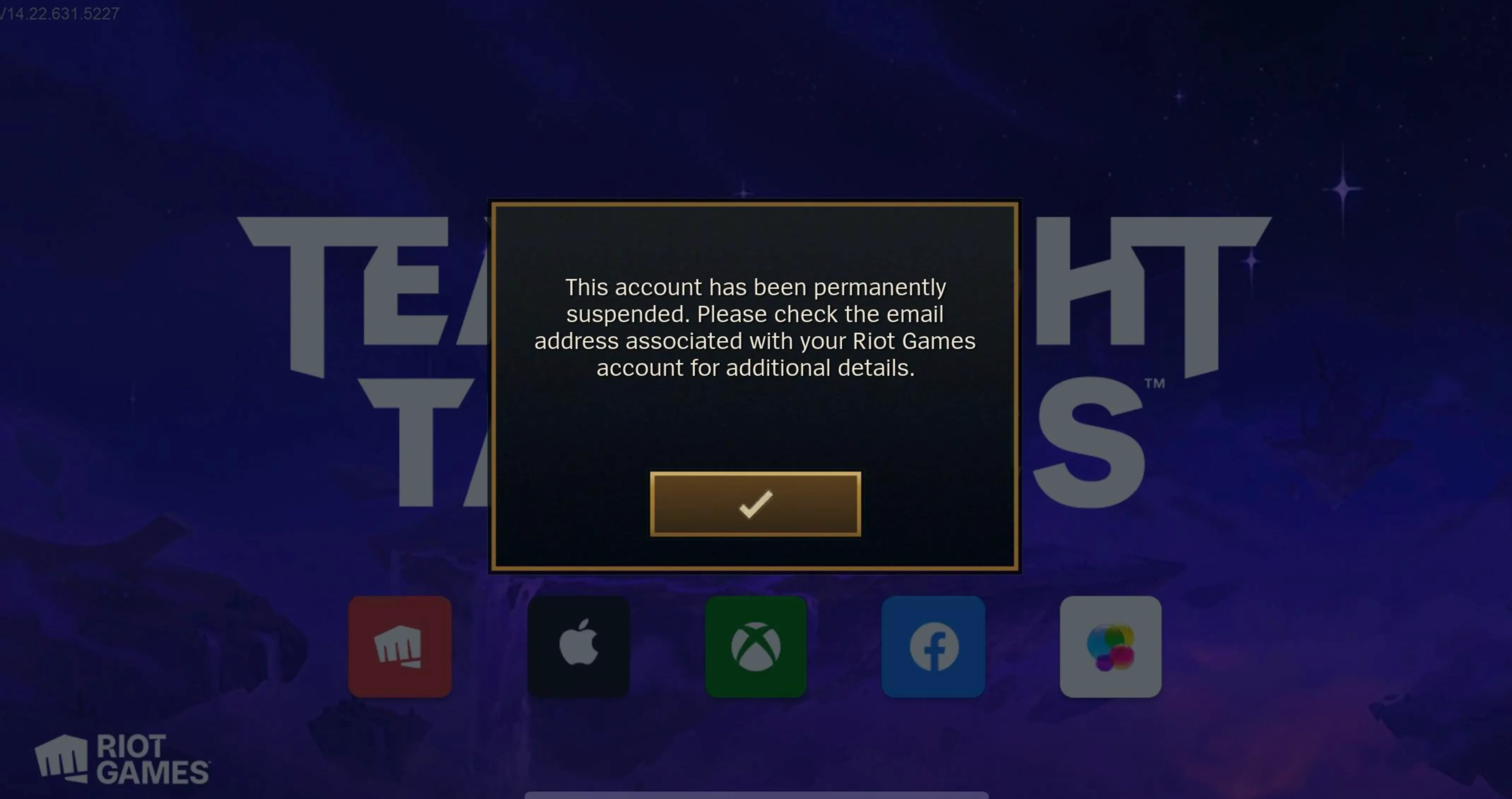
In Teamfight Tactics, Riot enforces several types of bans depending on how severe the rule violation is and whether it’s a repeat offense. While TFT is a more relaxed, strategy-focused game compared to League of Legends, the same global Riot moderation system applies, meaning any behavior that breaks the rules across your Riot account can lead to restrictions in TFT as well. The most common ban type is the temporary ban, which usually lasts from a few days up to two weeks and is often issued for disruptive behavior, repeated AFKs, win-trading, or using third-party tools. More serious violations, like boosting services, account sharing, or cheating software, can result in a competitive queue ban, preventing you from entering ranked while still allowing access to normal modes. In cases where a player repeatedly ignores warnings or engages in extreme violations, Riot issues a permanent account ban, removing access to TFT and all connected Riot titles entirely. Beyond that, Riot may also impose chat restrictions or behavioral penalties that affect your Honor and matchmaking, which don’t fully ban you but place your account under moderation until improvements are shown. Because all Riot games share the same account system, a ban triggered in League of Legends or Valorant for violations like toxicity or hate speech can also lock you out of TFT. Understanding these ban types helps you figure out what you’re dealing with and how to approach the unban process correctly.
Why You Got Banned in TFT: Common Reasons

Players in TFT can get banned for a handful of reasons, and understanding what triggered the suspension is the first step toward resolving it. Riot’s moderation system is strict across all its titles, and TFT follows the same rules that apply to League of Legends. Most bans come from behavior issues, third-party tools, or account-related problems. One of the most common causes is negative behavior during a match, such as harassment in chat, griefing teammates by intentionally losing rounds, or repeatedly leaving games early. Riot tracks these patterns over time, so even smaller infractions can build up and eventually lead to a ban.
Another major reason players lose access to their accounts is the use of unauthorized third-party programs. This includes scripting, macro tools, automation software, or anything that alters game behavior to gain advantages. Even overlays or “harmless” mods that read game memory can trigger Riot’s anti-cheat system. Account-sharing and boosting are also considered violations; if Riot detects that someone else is playing on your account, it may issue a restriction or full suspension.
Security issues can also play a role. If your account is compromised and used for toxic behavior or suspicious activity, Riot may lock or ban it to prevent further damage. While this can be frustrating, proving the compromise through a support appeal usually resolves it. In short, bans in TFT come from gameplay misconduct, cheating, or account security problems—three areas that Riot monitors closely to keep the competitive environment fair.
How to Appeal a Ban and Get Unbanned From TFT

Getting banned in TFT can feel unfair or confusing, but Riot does allow players to appeal certain moderation actions. Whether your account was restricted for third-party tools, chat behavior in the League client, or unusual activity flagged by the system, the only way to request a review is through Riot Support. Start by logging in to the official Riot Support page with the banned account and selecting the “Account Management” or “Suspensions & Bans” category. From there, open a new ticket explaining your situation. Keep your message simple and factual: state what happened, when it happened, what message you received, and why you believe the punishment should be re-evaluated. If your account was compromised, mention any suspicious activity, login attempts, or changes you did not make. Riot investigates every case on their end, so you don’t need long explanations—just provide clear details and anything that helps verify your claim.
It’s important to understand that not all bans are reversible. Riot does not lift penalties for confirmed cheating, boosting, scripting, or repeated toxic behavior. However, if the suspension was triggered by an error, compromised account, or automated detection mistake, submitting a clean and respectful appeal gives you the best chance of getting your TFT account restored. Once your ticket is submitted, all you can do is wait for Riot’s review, which usually takes a few days depending on support volume.
Writing a Strong Appeal to Get Unbanned from TFT
When you appeal a ban in TFT, the strength of your message makes a real difference, so your goal is to explain the situation clearly, honestly, and without sounding defensive. Riot reviews thousands of cases, and the appeals that stand out are the ones that stay factual and respectful. Start by stating what happened from your perspective and acknowledge the reason you were given for the ban. If you made a mistake, admit it directly and explain the steps you’ve taken to ensure it won’t happen again. If your account was compromised or you believe the ban was incorrect, describe the situation calmly, provide any relevant proof, and explain why the decision may have been triggered by error or unusual activity. Avoid emotional language, accusations, or long stories that don’t support your case. Riot wants to see that you understand their rules, that you respect the process, and that you’re committed to playing fairly moving forward. A short, direct, well-written appeal is far more likely to be taken seriously than something overexplained, vague, or argumentative.
How Long Until TFT Unbans Your Account?
The time it takes for a TFT ban to be lifted depends entirely on the type of penalty Riot issued. Temporary bans usually last for the exact duration stated on your suspension notice, and Riot almost never reduces these timers once they are active. If your account received a 1-day, 3-day, 7-day, or 14-day suspension for behavior or gameplay violations, you simply need to wait out the timer before you can log back in again. On the other hand, permanent bans and hardware bans do not expire at all, and the only way to recover your account is through a successful appeal. If your ban happened because of suspicious activity or login issues, Riot might unban you faster once you prove the account was compromised. But in most cases, Riot follows very strict moderation rules, so appeals are reviewed only once and response times can vary from a few hours to several days depending on support volume. If the appeal is denied, the ban will remain locked permanently.
Preventing Future Bans on TFT
Avoiding future bans in TFT comes down to keeping your account secure, respecting Riot’s rules, and maintaining clean in-game behavior. The biggest threat for most players isn’t gameplay violations but account safety, so start by enabling two-factor authentication and never sharing your login details with anyone, including friends or boosting services. Riot permanently bans accounts involved in piloting, scripting, or any kind of automated gameplay, so stick to playing TFT normally without third-party tools or overlays that modify the game. Make sure you also avoid account sharing, region swapping through unauthorized methods, or using VPNs that constantly change your location, as these can trigger security flags. In chat, keep your communication minimal and respectful since consistent harassment or disruptive messages can stack penalties across all Riot titles, including TFT. If your ban was linked to payment issues or chargebacks, resolve them before queuing again to prevent further action. Staying transparent with your behavior, keeping your account protected, and playing within Riot’s guidelines is the safest way to ensure that once your account is restored, you never face another restriction again.
Conclusion
Getting banned from TFT is frustrating, especially when it affects both your ranked climb and your linked Riot account, but understanding how the system works gives you the best chance of recovering your access. By learning the different TFT ban types, identifying what triggered the penalty, and submitting a clear and responsible appeal, you put yourself in the strongest position for a review. Riot won’t reverse every ban, but a well-written appeal and improved account behavior going forward can make a real difference. At the end of the day, staying within the rules, keeping your account secure, and avoiding any behavior that could be flagged is the safest way to protect your progress. With the right steps, you can resolve your ban and get back to your games with confidence.
Posted On: December 3rd, 2025
Recent Articles


Our 1v9 support team is available 24/7 to help you with any questions or issues you may have.
support@1v9.gg


-a6d5b3e156bb.webp)





Loading...
1v9.gg is not endorsed or affiliated by any game developers or publishers.
2026 1v9, All Rights Reserved, Created By Ritesh (riteshsahoo.com)