

How To Get Unbanned From Dota 2: Ban Appeal Guide
Getting banned in Dota 2 can feel brutal, especially when it instantly locks you out of your account, matchmaking, cosmetics, and all the progress you’ve built over the years. Whether your ban came from reports, gameplay behavior, a false flag, or a Valve Anti-Cheat (VAC) detection, knowing why it happened and how to properly appeal it is the first step toward getting your account back. Dota 2’s moderation system is strict, but many bans—especially those tied to communication, behavior, or misunderstandings—can be reviewed and overturned if you follow the right process. This guide breaks down every type of Dota 2 ban, the most common reasons players get suspended, how to submit a strong appeal, and what you can realistically expect during the review. If you’re trying to restore your Dota 2 account and return to matchmaking as soon as possible, this is everything you need to know.
Dota 2 Ban Types

Dota 2 uses several different ban types depending on the severity of the behavior, and understanding how each one works is the first step toward getting your account back. Minor violations usually land you in Low Priority, where you’re forced to play a limited number of matches with restricted features until the penalty expires. More serious actions, such as excessive griefing, abandoning ranked games, or being repeatedly reported for toxic behavior, can lead to temporary matchmaking bans that block you from playing for hours or even days. In extreme cases—like cheating, using third-party scripts, or engaging in account selling or boosting—Valve issues permanent bans that completely lock the account with no built-in expiration. Some regions also use phone-link bans, where the phone number tied to the account becomes restricted from ranked play, even if a new account is created. All these ban types stack over time, meaning repeated offenses quickly escalate to harsher punishments, which is why knowing where your account stands matters before submitting an appeal.
Why You Got Banned in Dota 2: Common Reasons
Players can get banned in Dota 2 for several different reasons, and understanding what triggered the punishment is the first step toward appealing it. Most bans come from behavior-related issues, such as repeated reports for toxicity, harassment, verbal abuse, or griefing teammates by intentionally feeding or refusing to participate in matches. Dota 2’s automated system also tracks gameplay patterns, so consistent feeding or abandoning games—even if unintentional—can lead to low-priority restrictions or full bans. Cheating is another major reason for permanent bans, especially when third-party scripts, map hacks, or automation tools are detected. Account sharing and boosting also fall under bannable offenses since they affect competitive integrity. In some cases, players are banned because their account was compromised and used for cheating or disruptive behavior without their knowledge. Regardless of the reason, Valve’s system generally enforces bans based on patterns and player reports, so even small issues can escalate if they continue over time.
How to Appeal a Ban and Get Unbanned From Dota 2
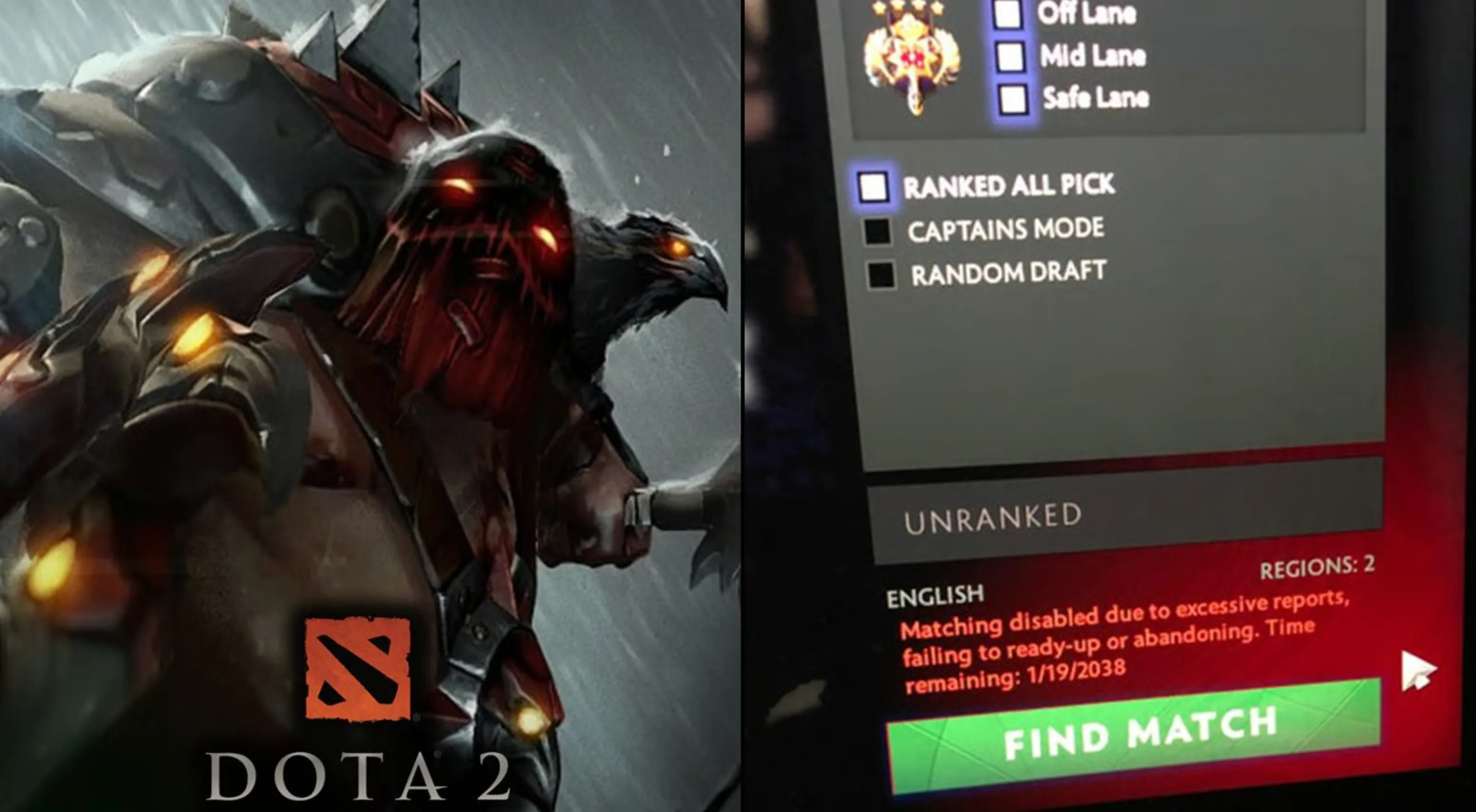
Appealing a ban in Dota 2 works differently compared to many other games because Valve handles most moderation decisions automatically through its anti-cheat and behavior systems, and only certain bans can actually be reviewed. If you believe your ban was unfair—whether it came from VAC, behavior reports, or a matchmaking restriction—the only way to request a review is through Steam Support. Log in to your Steam account, select Dota 2 under the game list, and choose the “Account Issues” or “Game Ban” option to submit your case. Your message must clearly explain what happened, why you think the ban was incorrect, and any proof you can provide, such as account compromise or unusual login activity. Keep in mind that VAC bans are almost never overturned unless Valve verifies it was a genuine error, while communication bans, low-priority placements, and gameplay restrictions usually expire automatically with no manual appeal needed. Submitting a respectful, detailed explanation gives you the best chance of getting your Dota 2 ban reversed, but Valve only reviews each case once, so make sure your appeal is complete before sending it.
Why You Got Banned in Dota 2: Common Reasons
Dota 2 bans usually come from behavior or gameplay violations that break Valve’s rules, and understanding what triggered your penalty is the first step toward getting your account back. Most players get banned for consistent toxicity, whether it’s abusive chat, griefing teammates, feeding on purpose, or repeatedly ruining matches in ranked. Another common reason is exploiting third-party software, such as scripts, hacks, or anything that manipulates gameplay to gain an unfair advantage — Valve’s anti-cheat instantly locks accounts for this. Some bans happen because players abandon too many games, rack up excessive reports, or intentionally dodge ranked matches, which can trigger stricter matchmaking or communication penalties. There are also cases where accounts get banned after being compromised, and the hacker uses it to cheat or grief. Even though you weren’t the one playing, Valve’s system still detects the rule-breaking, which is why securing your Steam account is crucial. No matter what caused the ban, identifying the exact reason helps you understand how to frame your appeal and avoid the same issue in the future.
Writing a Strong Appeal to Get Unbanned from Dota 2
Writing a strong appeal in Dota 2 is all about being clear, respectful, and honest, because this is your only chance to explain your side to Valve’s moderation team. When you write your message, focus on describing exactly what happened without exaggeration or blame-shifting, and if you made a mistake, acknowledge it directly instead of trying to hide it. If your account was compromised, explain how it happened and mention any security steps you’ve taken since, like changing your password, enabling Steam Guard, or removing suspicious software. If you believe the ban was placed unfairly, calmly explain why, and stick to facts that can be verified—never rely on emotional arguments or claims that moderators can’t check. Keep your appeal organized, avoid slang or aggressive language, and write in full sentences so your message is easy to read. If you have proof that supports your case, such as screenshots, timestamps, or evidence that you weren’t online, include it briefly and only if it’s relevant. Avoid begging, threatening to quit, demanding refunds, or mentioning how much money you’ve spent, because these don’t influence moderation decisions and often make appeals less effective. A straightforward, respectful explanation that shows responsibility and a willingness to avoid future issues gives you the best chance of getting your Dota 2 ban lifted.
How Long Until Dota 2 Unbans Your Account?
The time it takes for Dota 2 to lift a ban depends entirely on the type of penalty Valve placed on your account. Temporary bans—such as communication bans, low-priority penalties, and short gameplay restrictions—usually last anywhere from a few hours to several days, depending on how severe the issue was and whether it’s a repeat offense. More serious cases, like cheating, boosting, account sharing, or major behavior violations, often lead to permanent bans that Valve rarely, if ever, reverses unless the suspension was genuinely issued in error. Unlike some games, Dota 2 does not offer fixed timelines for moderation reviews; support investigates each appeal manually, so response times can vary. If your account is temporarily banned, you’ll simply need to wait until the timer expires. If you received a permanent ban, your only chance of getting unbanned is through a strong and accurate appeal showing clear proof that the penalty was a mistake, since permanent bans are not meant to expire naturally.
Preventing Future Bans on Dota 2
Staying clear of future bans in Dota 2 mostly comes down to playing clean, keeping your behavior in check, and avoiding anything that might trip Valve’s automated moderation system. Always play on your own account, never use third-party software, and avoid scripts or modifications that interact with the game in any way, because VAC and behavior detection systems are extremely strict and rarely offer second chances. At the same time, make sure your behavior score stays healthy by avoiding flame wars, muting toxic players instead of responding, and never abandoning matches, even during a stomp or a losing streak. Keeping your connection stable and verifying your game files helps prevent false flags from crashes or disconnects, which can also lower your behavior rating over time. If you share your PC with other players, make sure no one logs in using cheats or shady mods, since Valve bans based on machine history as well. The safest long-term strategy is simple: play normally, avoid anything that modifies the client, follow the matchmaking rules, and keep your account secure with Steam Guard so no one else can jeopardize it. Over time, consistent clean gameplay ensures your account stays safe from future bans and keeps your behavior score trending upward.
Conclusion
Getting banned in Dota 2 can feel frustrating, but understanding why it happened and knowing how to approach the appeal process gives you the best possible chance of recovering your account. Whether your ban came from behavior reports, cheating detections, smurfing issues, or account security problems, the key is submitting a clear, honest, and respectful appeal that shows you understand the violation and are committed to avoiding future problems. From recognizing ban types to learning how long they last and how to prevent them, this guide gives you everything you need to navigate Dota 2’s moderation system with confidence. With the right steps and a responsible approach moving forward, you can return to the game and avoid running into similar issues again.
Posted On: December 3rd, 2025
Recent Articles


Our 1v9 support team is available 24/7 to help you with any questions or issues you may have.
support@1v9.gg


-a6d5b3e156bb.webp)





Loading...
1v9.gg is not endorsed or affiliated by any game developers or publishers.
2026 1v9, All Rights Reserved, Created By Ritesh (riteshsahoo.com)