- Home
Games
 League of Legends
 Valorant
-a6d5b3e156bb.webp) Fortnite
Fortnite Call of Duty
 Clash of Clans
 Counter-Strike 2
 Roblox
 Rainbow Six Siege
 Clash Royale
 Minecraft
 Rocket League
 Dota 2
 Genshin Impact
 Squad Busters
 Rust
Rust Apex Legends
 Pokemon Go
 XDefiant
 LoL: Wild Rift
 Hay Day
 Diablo 4
 FC 25
FC 25 Marvel Rivals
 World of Warcraft
 Destiny 2
 Deadlock
-9ede9dc6b01b.webp) PUBG Mobile
PUBG Mobile The Finals
 Growtopia
 Forza Horizon 5
 Honkai: Star Rail
 Warframe
 8 Ball Pool
 Zenless Zone Zero
 Path of Exile
 Runescape 3
 Raid: Shadow Legends
 Lost Ark
 WoW: Classic Era
 Summoners War
 WoW: Season of Discovery
 WoW Cataclysm
 WoW: Hardcore
 Throne and Liberty
 New World
 Mobile Legends
 Escape From Tarkov
 Path of Exile 2
 Blade Ball
 Fisch
Fisch Pet Simulator 99
 Pets Go
-d8bcef7708c7.webp) One Piece Bounty
One Piece Bounty Anime Adventures
 Blox Fruits
 Adopt Me
 Murder Mystery 2
 Fragpunk
 Wuthering Waves
 Teamfight Tactics
 Free Fire
 Albion Online
 Black Desert Online
 Honor of Kings
 Brawl Stars
 Arena of Valor
 Call of Duty: Mobile
 Rematch
 Steal a Brainrot
 Grow a Garden
 FC 26
FC 26 Old School Runescape
 Plants vs Brainrots
 Overwatch
 Battlefield
 Arc Raiders
 Dragon Ball Legends
 Fallout 76
 Jailbreak
 Type Soul
 GPO
GPO DonutSMP
 Escape Tsunami For Brainrots
 Watcher of Realms
 Roblox Rivals
 2XKO
2XKO Sailor Piece
 Forza Horizon 6
 GTA 5
GTA 5- Lootboxes
- Become Affiliate
- Blog
- Contact Us
- Sign In

The 10 Best MOBA Games to Play in 2026
MOBA games can be difficult to learn, but few multiplayer genres feel as rewarding once everything starts to click. Winning takes more than fast reactions—you need strong teamwork, map awareness, smart positioning, and the ability to make the right decision when an entire match can change in seconds.
Whether you already play League of Legends or Dota 2, or you want something easier to approach, there are plenty of competitive options available across PC, console, and mobile. Some deliver the traditional three-lane experience, while others introduce faster matches, unique objectives, or more action-focused combat. In this article, we rank the 10 best MOBA games to play in 2026 and explain what makes each one worth your time.
#10: Honor of Kings [Best Mythology-Inspired MOBA]
Our Score: 7.5/10
Platforms: iOS and Android
Original Release: 2015
Global Release: 2024
Developer: TiMi Studio Group
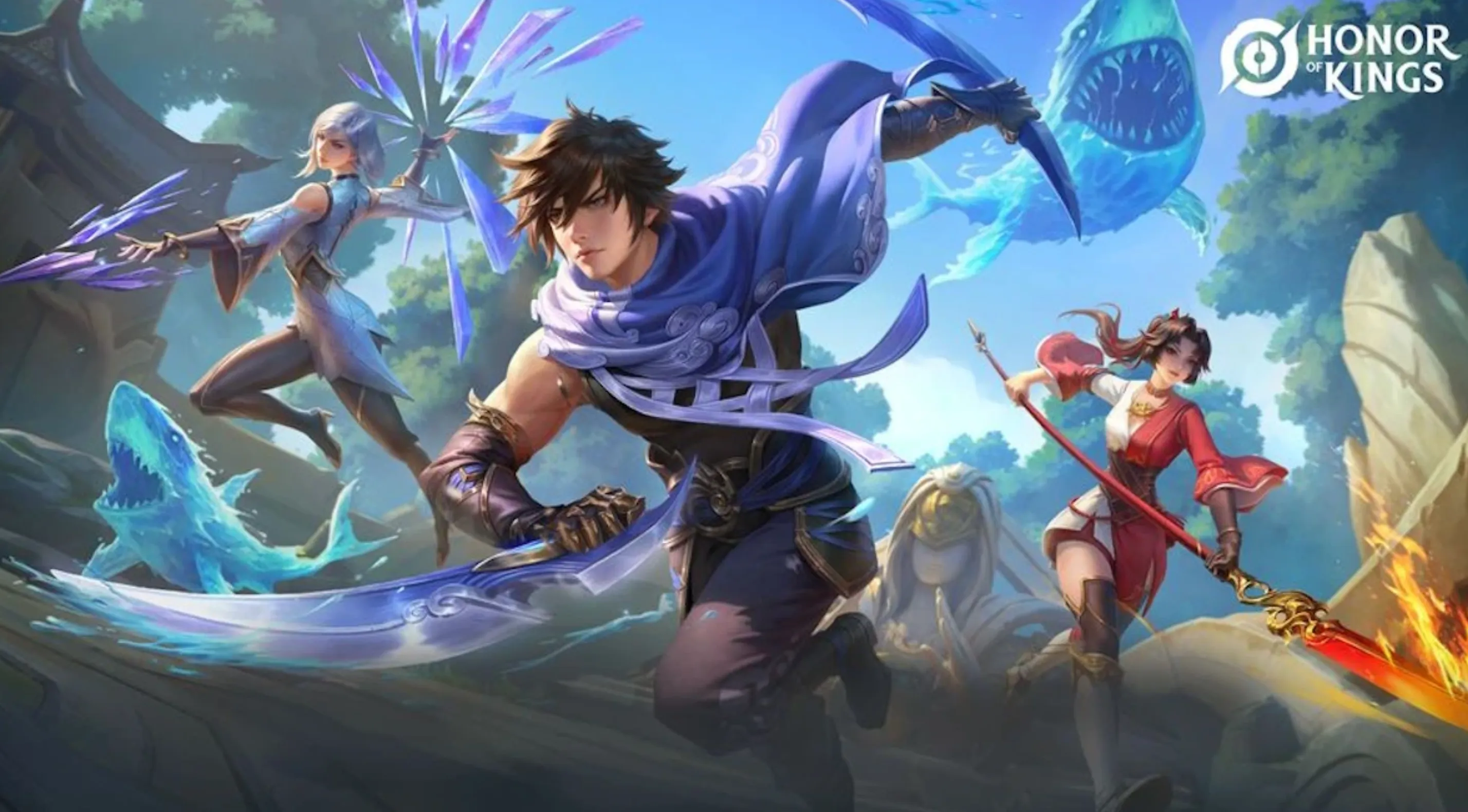
Honor of Kings built its reputation in China long before receiving a worldwide release, and that extra development time shows. Its traditional 5v5 matches have everything you would expect from a competitive MOBA—three lanes, jungle objectives, distinct roles, team fights, and a base to destroy—but the entire experience has been carefully adapted for mobile.
Matches move quickly, the touch controls feel responsive, and the visuals remain clear even when several heroes begin throwing abilities across the screen. The roster is another major attraction, drawing heavily from Chinese mythology, legends, and historical figures. Some names may initially be unfamiliar to Western players, but that gives Honor of Kings an identity that many mobile MOBAs lack.
Why We Chose Honor of Kings
What impressed us most was its level of polish. It does not feel like a simplified PC MOBA squeezed onto a phone. Heroes are designed around touch controls, matches fit comfortably into shorter play sessions, and each role still carries enough responsibility to make teamwork matter.
The busy menus can be overwhelming when you first log in, and matchmaking becomes unforgiving once you face more experienced players. Even so, Honor of Kings remains one of the best mobile MOBA games to play in 2026, particularly for anyone who wants serious 5v5 strategy without being tied to a PC.
Our Verdict
Honor of Kings combines quick matches, polished mobile gameplay, and a distinctive mythology-inspired hero roster. It may take time to learn its characters and interface, but few mobile MOBAs offer the same balance of accessibility and competitive depth.
#9: Eternal Return [Best Lane-Free MOBA]

Our Score: 7/10
Platform: PC
Year of Release: 2023
Developer: Nimble Neuron
Eternal Return keeps the character abilities, team compositions, and top-down combat of a traditional MOBA but removes lanes, towers, and lengthy farming phases. Instead, your squad explores Lumia Island, searches different areas for materials, crafts equipment, and prepares for fights as the playable map gradually becomes smaller.
The opening minutes reward efficient planning. Following a good route can complete your build quickly, but spending too long searching for perfect equipment leaves you vulnerable to squads that reached their power spike first. Once teams begin meeting, positioning and target selection become just as important as mechanical skill. A well-timed ultimate can decide an entire fight, while one player wandering too far from the group can end the match immediately.
Why We Chose Eternal Return
Eternal Return is one of the few active games that successfully combines MOBA combat with battle royale survival. There is no repetitive laning phase, yet familiar MOBA skills—including ability combos, team coordination, objective control, and matchup knowledge—still matter.
Its crafting system and large roster create a steep learning curve, especially when you are also trying to memorize routes and restricted-zone timings. Once those systems make sense, however, every match offers meaningful choices before the first major team fight even begins. Continued seasons, new characters, and balance updates also make it one of the best free PC MOBA games still supported in 2026.
Our Verdict
Eternal Return is an inventive lane-free MOBA for players who enjoy fast team fights but want more freedom than a traditional three-lane map provides. Learning its crafting and routing systems takes patience, but the combination of survival strategy and skill-based combat makes it worth the effort.
#8: League of Legends: Wild Rift [Best Mobile Version of a Classic MOBA]
Our Score: 8/10
Platforms: iOS and Android
Year of Release: 2020
Developer: Riot Games
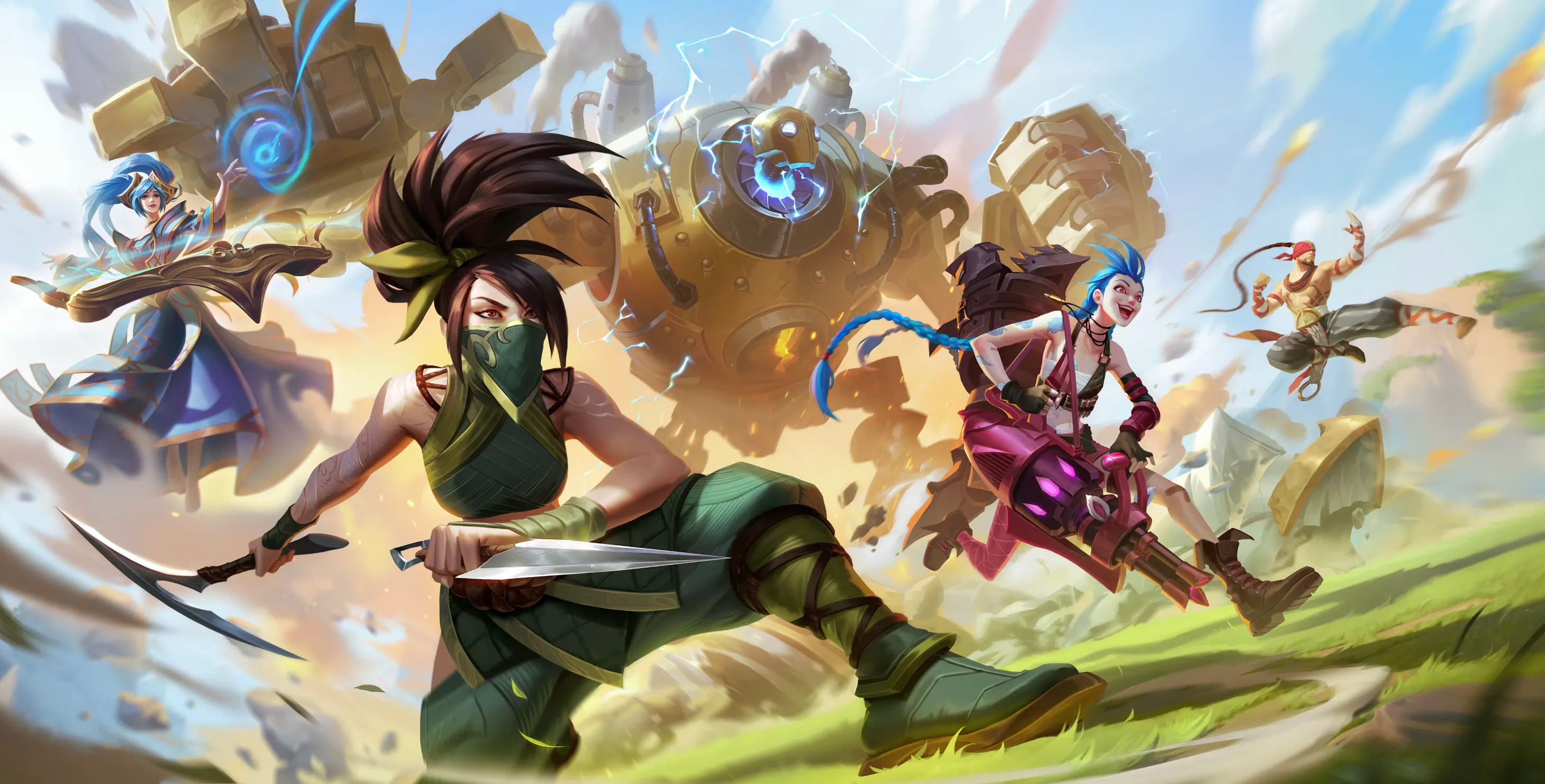
League of Legends: Wild Rift succeeds because Riot did more than shrink the PC game to fit a phone screen. The map, controls, champion abilities, and match structure were rebuilt around mobile play, creating faster games without removing the strategy that makes League of Legends so competitive.
The familiar foundations remain intact. Two teams of five select different roles, compete for control of three lanes, secure major objectives, and eventually attempt to destroy the enemy Nexus. However, the smaller map and quicker progression move matches toward meaningful fights much sooner. Aiming skill shots with the touchscreen controls feels surprisingly precise once you adjust to them.
Wild Rift also maintains its own champion balance and meta. Some abilities work differently from their PC versions, and the mobile roster does not include every League champion. This helps the game feel like a separate experience rather than an incomplete copy of the original.
Why We Chose Wild Rift
Wild Rift preserves the parts of League that matter most: team compositions, rotations, objective control, mechanical outplays, and the satisfaction of winning a close team fight. It simplifies certain systems, but it never feels shallow.
New players still face a learning curve, especially when dealing with dozens of champions and role-specific responsibilities. Matchmaking can also produce frustrating games, as it does in almost every competitive MOBA. Even with those drawbacks, Wild Rift remains one of the best mobile MOBA games to play in 2026.
Our Verdict
League of Legends: Wild Rift offers a polished mobile interpretation of Riot’s classic MOBA, complete with responsive controls, shorter matches, and genuine strategic depth. It is the closest you can get to the full League experience on a phone without the game feeling like a compromised port.
#7: Pokémon UNITE [Best Pokémon MOBA]
Our Score: 8/10
Platforms: Nintendo Switch, iOS, Android
Year of Release: 2021
Developer: TiMi Studio Group
Publisher: The Pokémon Company
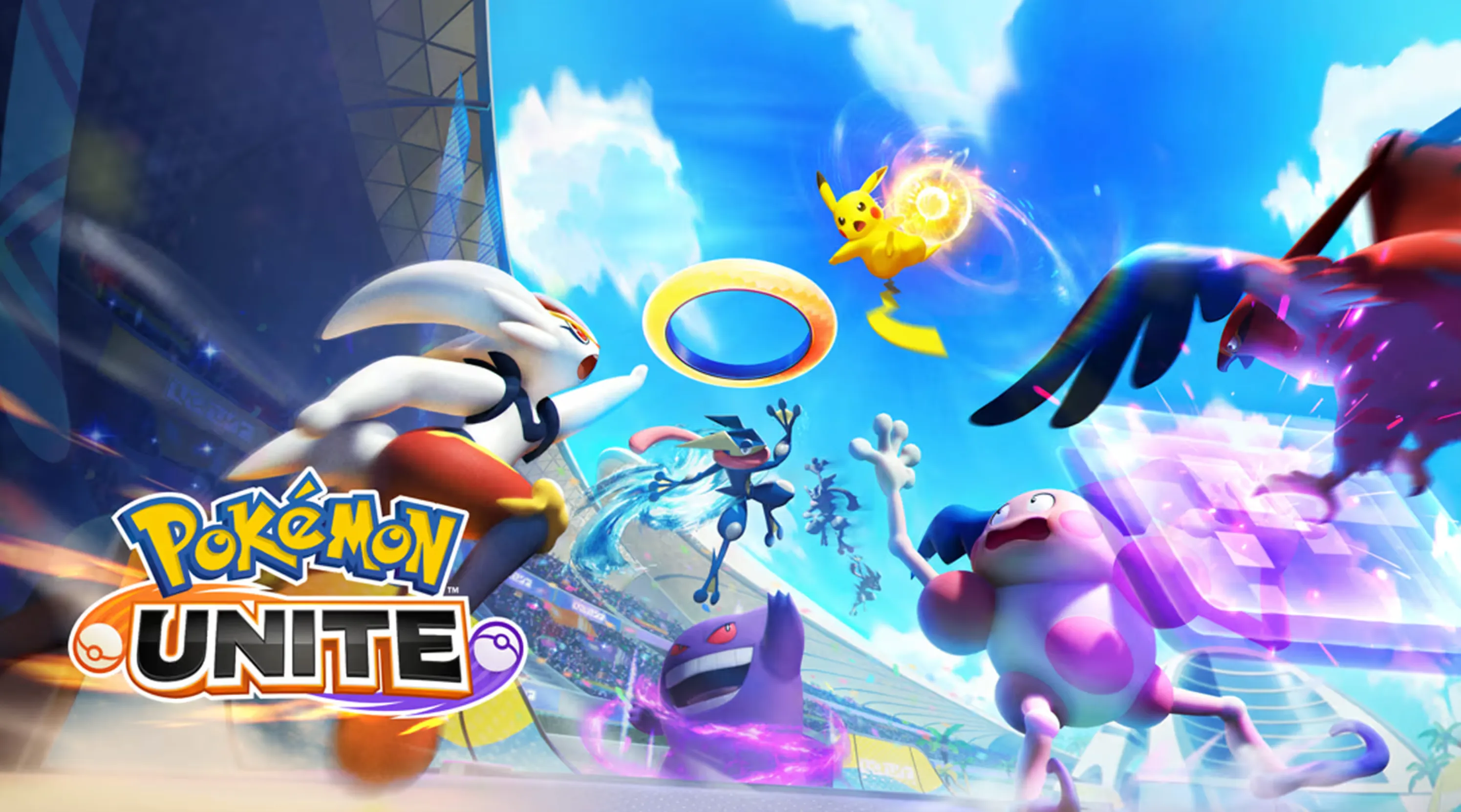
Pokémon UNITE is one of the easiest MOBAs to understand—and one of the hardest to put down. Choose a Pokémon, join a team of five, and try to outscore your opponents within ten minutes. It sounds simple until both teams collide around a crucial objective and the entire match changes in its final moments.
Instead of destroying an enemy base, players defeat wild Pokémon and opposing team members to collect Aeos energy. That energy must then be deposited in enemy goal zones. When the timer reaches zero, the team with the most points wins. This scoring system gives Pokémon UNITE a distinct identity compared with traditional MOBA games such as League of Legends and Dota 2.
The Pokémon roster also provides plenty of variety. Snorlax can protect teammates and block narrow paths, Talonflame can dive into the backline, and Pikachu can pressure enemies from a distance. Pokémon level up, learn new moves, and often evolve during each match, creating a satisfying sense of progression despite the short runtime.
With Attackers, Defenders, Supporters, Speedsters, and All-Rounders to choose from, building a balanced team remains important. Move selections, Held Items, map rotations, and objective timing add further strategic depth, particularly once you enter ranked matches.
Why We Chose Pokémon UNITE
Pokémon UNITE earns its place among the best MOBA games to play in 2026 because it makes the genre approachable without stripping away teamwork or strategy. Its ten-minute matches are ideal for mobile and handheld play, while the familiar characters make learning different roles far less intimidating for newcomers.
The game also continues to receive new Pokémon, balance updates, events, and competitive support. Cross-save functionality between Nintendo Switch and mobile makes it easy to continue progressing across different devices.
It is not perfect, however. Unlocking additional Unite licenses can feel slow, some premium Holowear is expensive, and solo matchmaking occasionally produces unbalanced teams. The importance of late-game objectives can also make a strong early lead disappear surprisingly quickly.
Our Verdict
Pokémon UNITE is the best Pokémon MOBA and one of the most beginner-friendly mobile MOBAs available in 2026. Its quick matches, recognizable roster, and original scoring system make it easy to start, while ranked play provides enough tactical depth to keep competitive players coming back.
#6: Mobile Legends: Bang Bang [Best Mobile MOBA]
Our Score: 9/10
Platforms: iOS, Android
Year of Release: 2016
Developer: MOONTON Games
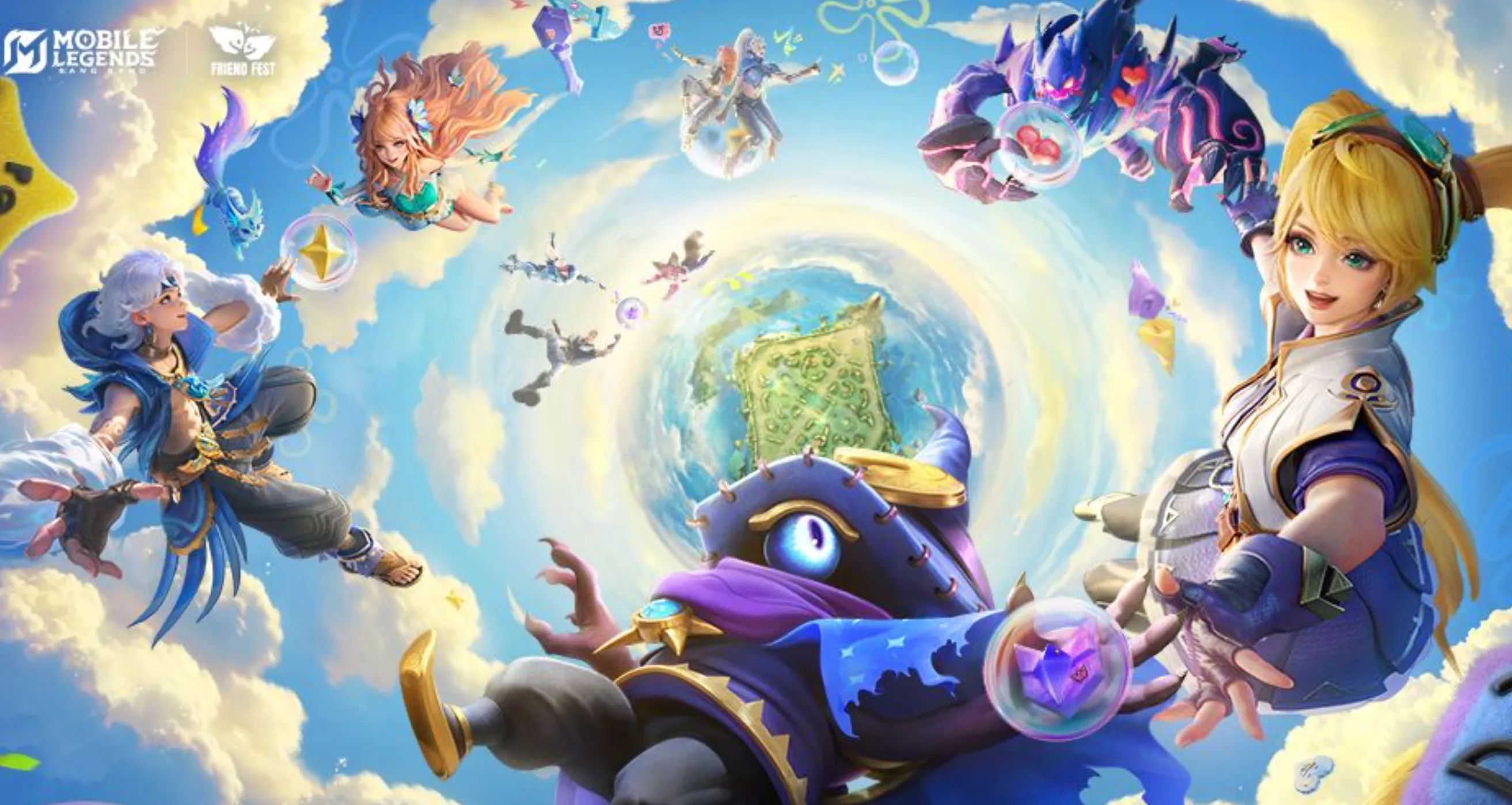
Mobile Legends: Bang Bang does not feel like a PC game forced onto a smaller screen. Its compact battlefield, virtual joystick, targeting options, and quick item purchases were all designed with touchscreen play in mind. The familiar MOBA structure remains intact: two teams of five select heroes, push through three lanes, clear jungle camps, destroy defensive towers, and eventually attack the enemy base.
The main difference is speed. Mobile Legends reaches its decisive team fights much sooner than most PC MOBAs, with many matches lasting around 10 to 20 minutes. That makes it easy to play during a break without stripping away the tactical decisions that make the genre interesting. Team composition, lane assignments, map awareness, equipment builds, and neutral-objective control can all determine the result.
Its hero roster covers every major playstyle, including durable tanks, high-damage marksmen, mobile assassins, disruptive mages, fighters, and team-focused supports. The basic controls are easy to understand, but success in ranked matches requires more than tapping every ability as soon as it becomes available. Positioning badly or entering a fight without your teammates can end a match surprisingly quickly.
Why We Chose Mobile Legends: Bang Bang
Mobile Legends: Bang Bang remains one of the best mobile MOBA games to play in 2026 because it delivers a complete 5v5 competitive experience without demanding a PC or a large block of free time. Matches move quickly, the controls respond well, and the large hero pool provides plenty of room to experiment with different roles and strategies.
It can be overwhelming at first. New players must learn numerous heroes, equipment builds, emblems, currencies, and menu systems. Solo ranked matches can also be frustrating when teammates ignore objectives or create an unbalanced lineup during the draft. However, the core combat remains satisfying, and regular collaborations, esports tournaments, and tenth-anniversary content show that the game is still receiving substantial support in 2026.
Our Verdict
Mobile Legends: Bang Bang is the best mobile MOBA for players who want traditional lanes, jungling, tower pushes, and coordinated team fights in a faster format. Its crowded menus and unpredictable matchmaking occasionally get in the way, but few Android or iOS MOBAs offer the same combination of accessibility, strategic variety, and competitive depth.
#5: Arena of Valor [Best Intense Action MOBA on Mobile]
Our Score: 8.5/10
Platforms: iOS, Android, Nintendo Switch
Year of Release: 2016
Developer: TiMi Studio Group
Publisher: Level Infinite / Tencent Games
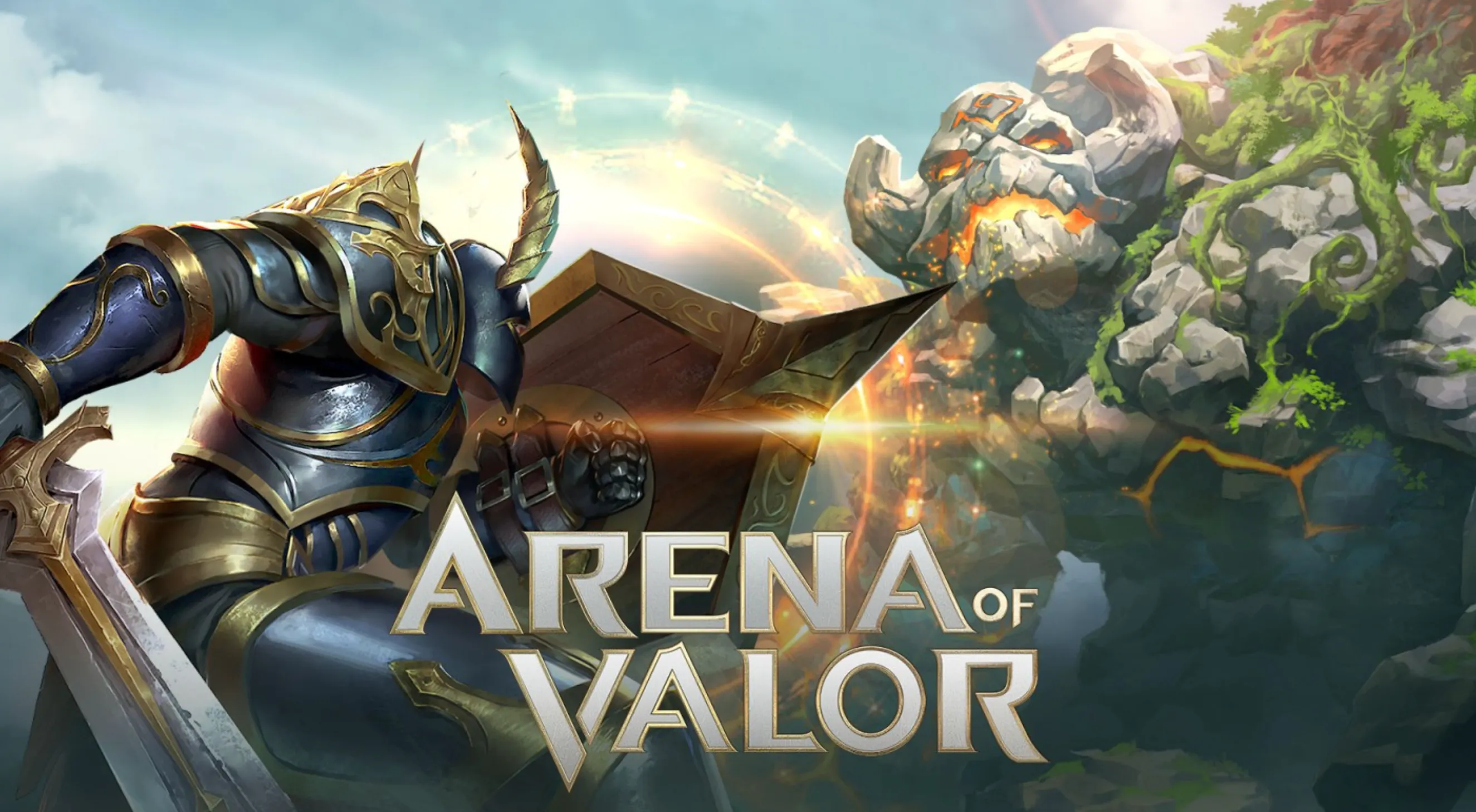
Arena of Valor understands why people play MOBAs on a phone: they want the full competitive experience without sacrificing an entire evening to one match. Its battles retain the familiar three-lane map, jungle camps, towers, team roles, and major objectives, but everything progresses at a much faster pace. Most matches are designed to finish within 15 minutes.
That shorter format does not turn Arena of Valor into a simplified minigame. Teams still need to manage lanes, coordinate rotations, and decide when to contest the Abyssal Dragon or Dark Slayer. Chasing one unnecessary elimination can leave a tower exposed, while losing control of the jungle can quickly turn a close match against you.
The game now offers more than 100 heroes across tank, warrior, assassin, mage, marksman, and support roles. Their abilities feel responsive on a touchscreen, and the targeting options give you enough control to choose specific enemies during crowded team fights. New players can understand the basics quickly, but climbing through ranked mode requires genuine map awareness and mechanical skill.
Why We Chose Arena of Valor
Arena of Valor is one of the best mobile MOBA games to play in 2026 because it occupies a useful middle ground. It follows a more traditional MOBA structure than Pokémon UNITE, yet its matches generally move faster than those in Wild Rift. The result is an action-heavy game with very little downtime between meaningful fights.
Its biggest strength is how naturally everything works on mobile. Moving, aiming abilities, purchasing equipment, and communicating with teammates rarely feel cumbersome. However, learning more than 100 heroes, their matchups, item builds, and Arcana setups can be intimidating. Matchmaking quality also varies between regions, particularly outside the game’s most active markets.
Arena of Valor remains available on Nintendo Switch, but the mobile editions offer the more current roster and overall experience.
Our Verdict
Arena of Valor is an excellent choice for players who want a fast and competitive mobile MOBA without abandoning lanes, towers, builds, or objective control. Regional matchmaking and its steep learning curve hold it back slightly, but the intense team fights and polished touchscreen combat make it easy to recommend.
#4: SMITE 2 [Best Mythology and Action MOBA]
Our Score: 9.5/10
Platforms: PC, PlayStation 5, Xbox Series X|S
Year of Release: 2024 (Early Access)
Developer: Titan Forge Games
Publisher: Hi-Rez Studios
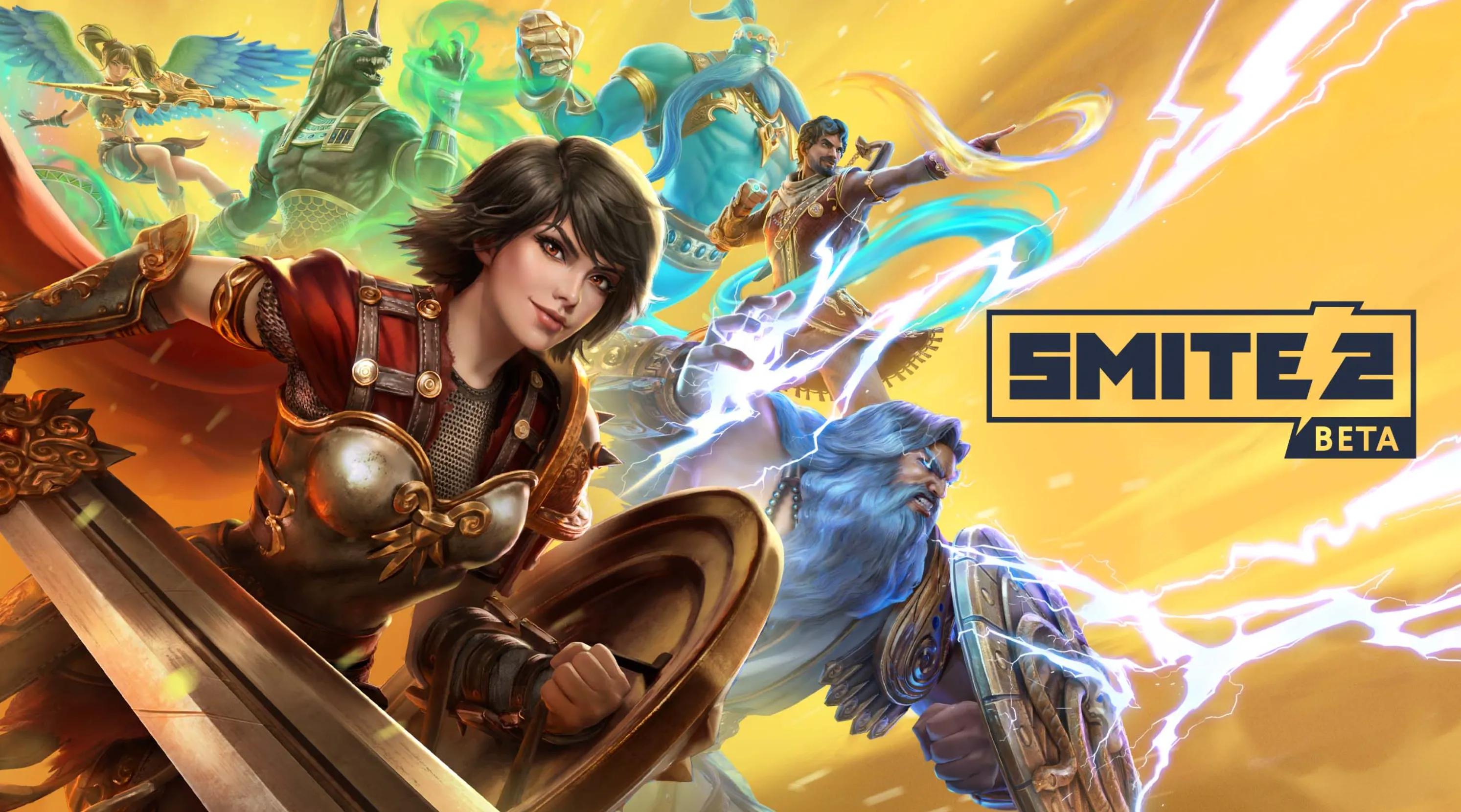
Most MOBAs make you watch the battle from above. SMITE 2 places the camera directly behind your chosen god and expects you to land the attacks yourself. Basic attacks, projectiles, and many abilities must be aimed, making its combat feel closer to a third-person action game than a traditional point-and-click MOBA.
That different perspective changes more than the presentation. Enemies can approach from outside your field of view, walls can hide an incoming ambush, and positioning feels much more immediate. Conquest mode still provides the familiar three-lane structure, complete with jungle camps, defensive towers, team roles, equipment builds, and an enemy Titan to defeat.
Its mythology-inspired roster is the real attraction. Zeus throws chained lightning, Anubis controls enemies with dark magic, and Loki punishes anyone careless enough to wander alone. Different item builds and Aspects can also change how a god performs, giving you room to adapt your playstyle between matches.
Why We Chose SMITE 2
SMITE 2 is one of the best action MOBAs to play in 2026 because no other major game blends mythology, third-person combat, and traditional MOBA strategy quite like it. Conquest offers the complete competitive experience, while Arena, Joust, and Assault provide faster alternatives when you do not want to commit to a full ranked match.
Features such as automatic item builds and ability leveling make the game approachable for newcomers. More experienced players can disable those assists and focus on counter-building, objective control, mechanical outplays, and coordinated ability combinations.
SMITE 2 is still officially presented as an evolving Game Preview or Early Access title, so occasional balance problems and unfinished features should be expected. Its roster also remains smaller than the enormous selection accumulated by the original game. Players who want access to every current and future god can purchase a Founder’s Edition, which effectively replaces SMITE 1’s Ultimate God Pack.
Our Verdict
SMITE 2 is the best mythology-based MOBA for players who prefer direct control and skill-based aiming over traditional top-down movement. It still needs more polish and content, but its unusual camera perspective, satisfying combat, and diverse pantheons give it an identity no other MOBA has successfully copied.
#3: Heroes of the Storm [Best Team-Based MOBA]
Our Score: 9/10
Platforms: PC
Year of Release: 2015
Developer: Blizzard Entertainment
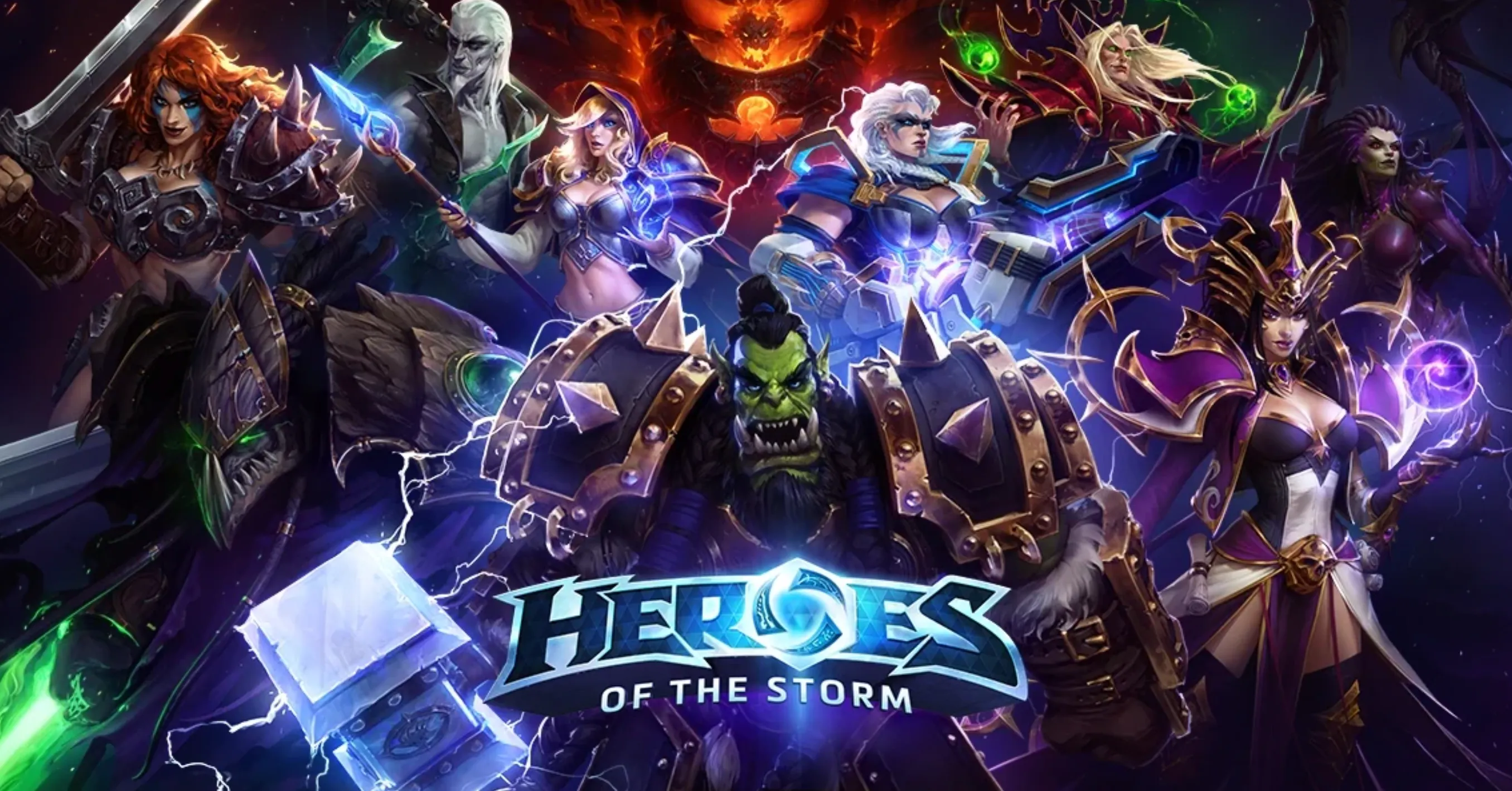
Heroes of the Storm asks you to forget one habit learned from most MOBAs: playing for yourself. Experience is shared across the entire team, there is no individual gold economy, and landing the final hit on every minion is unnecessary. Instead of buying equipment, each hero selects talents as the team levels up, allowing you to modify abilities and adapt your build during the match.
That shared progression makes cooperation essential. A player who ignores an objective to farm alone is not quietly building an advantage—they are leaving the rest of the team outnumbered. Coordinated rotations, well-timed ability combinations, and fighting together usually matter more than one player’s mechanical statistics.
The battlegrounds are another major difference. Rather than playing every match on the same map, teams may need to capture a Dragon Knight, escort a payload, collect tributes, or summon a powerful Punisher. Each objective changes how teams rotate and when they should fight, preventing the matches from following one predictable script.
Its roster also brings together characters from across Blizzard’s biggest franchises, including Arthas, Diablo, Kerrigan, Tracer, and many others from Warcraft, StarCraft, Diablo, and Overwatch.
Why We Chose Heroes of the Storm
Heroes of the Storm remains one of the best team-based MOBA games to play in 2026. Its shared XP system removes much of the competition between teammates, while its varied battlegrounds create faster and more frequent team fights than traditional MOBAs such as League of Legends or Dota 2.
Depending on your teammates is both its greatest strength and its biggest weakness. Carrying an uncoordinated team alone is difficult, and ranked matchmaking can take longer because the player population is smaller than it once was. Blizzard is also no longer releasing heroes at the pace seen during the game’s early years.
However, describing Heroes of the Storm as completely abandoned would be inaccurate. Blizzard continued releasing substantial balance updates in 2026, including hero reworks, map changes, a new skin, and the return of Haunted Mines to ranked play.
Our Verdict
Heroes of the Storm is an excellent MOBA for players who value cooperation, varied maps, and objective-based battles more than last-hitting or complicated item shops. Its slower content schedule and smaller community are noticeable, but its shared progression system still creates a style of team play that no major competitor has successfully replaced.
#2: Dota 2 [Best Strategic Competitive MOBA]
Our Score: 10/10
Platforms: PC via Steam
Year of Release: 2013
Developer: Valve
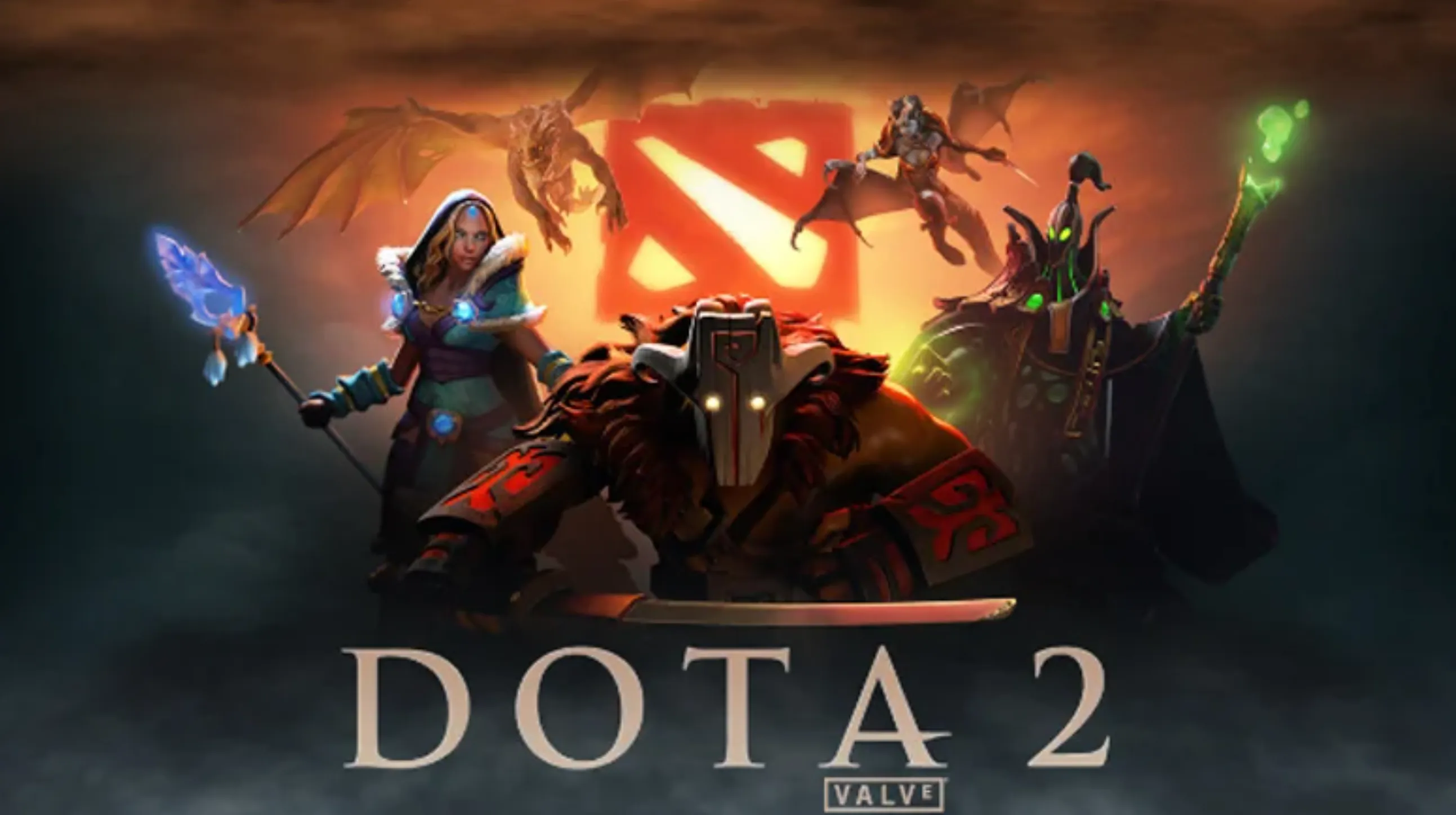
Dota 2 gives both teams one straightforward objective—destroy the opposing Ancient—and then makes almost every decision leading up to it matter. Players can deny their own creeps, manipulate lane positions, stack jungle camps, contest runes, hide rotations with Smoke of Deceit, defeat Roshan, or save gold for a potentially match-saving buyback.
Its roster contains more than 120 heroes, all available without purchasing or unlocking them individually. More importantly, those heroes are not trapped in rigid playstyles. A character can perform entirely differently depending on their lane, items, talent choices, and the needs of the team. Active equipment such as Blink Dagger, Black King Bar, and Force Staff adds another layer of decisions beyond each hero’s abilities.
This complexity creates matches that rarely follow an identical script. A team can dominate the early game and still lose after one reckless attempt to push high ground. A struggling lineup can recover by controlling vision, forcing a poor fight, or combining buybacks with a well-timed counterattack. Dota 2 always leaves room for one more plan.
Why We Chose Dota 2
Dota 2 remains the best strategic competitive MOBA in 2026 because its systems offer an almost ridiculous amount of freedom. Drafting, lane matchups, item counters, ward placement, map movement, resource distribution, and team-fight execution all influence the result.
That depth comes with a serious cost. The learning curve is unforgiving, the tutorial only covers a fraction of what players need to understand, and matches can demand a considerable amount of time. Learning what every hero, item, neutral objective, and visual effect does can take hundreds of games.
Valve continues to prevent the game from becoming static. Patch 7.41 introduced another major round of gameplay changes in 2026, while new events and The International’s return to China have kept both casual and professional Dota active.
Our Verdict
Dota 2 is the ultimate choice for players who want the deepest strategy and highest learning ceiling available in a MOBA. It is demanding, occasionally exhausting, and extremely difficult to master—but few competitive games make a hard-earned victory feel as deserved.
#1: League of Legends [Best Hardcore Strategy MOBA]
Our Score: 10/10
Platforms: PC, macOS
Year of Release: 2009
Developer: Riot Games
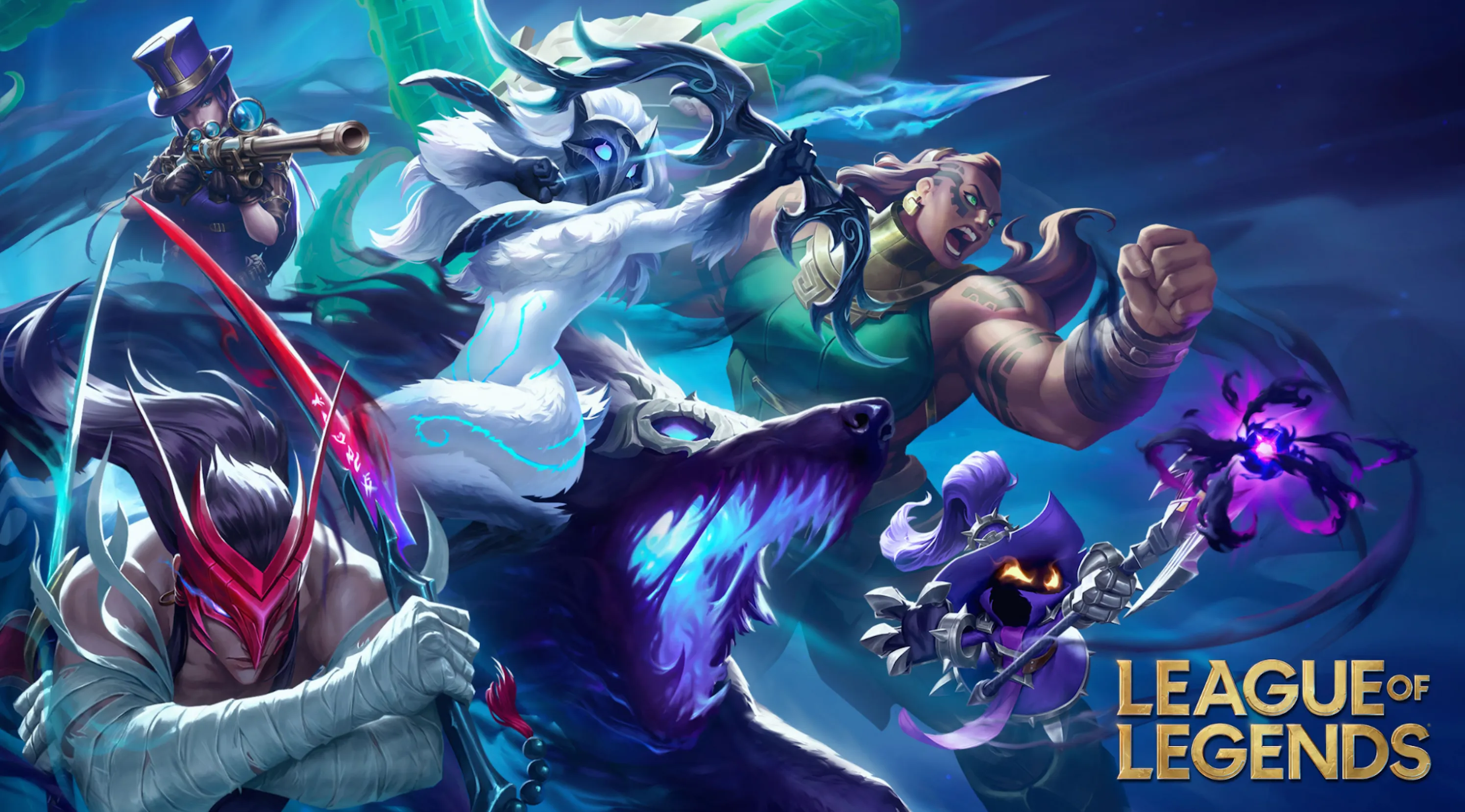
League of Legends has an easy objective to explain: work through three lanes, destroy defensive structures, and break the enemy Nexus. Everything between those steps is where the difficulty begins. Drafting, lane matchups, wave control, jungle tracking, vision, objective timing, and team-fight positioning can each decide a match.
Its roster has grown beyond 170 champions, ranging from straightforward tanks and marksmen to mechanically demanding assassins, shapeshifters, and control mages. That variety means nearly every player can find a character matching their preferred pace and role. It also means learning League involves understanding hundreds of abilities, interactions, and potential matchups.
The best moments come from converting small pieces of information into an advantage: noticing the enemy jungler on a ward, pushing a wave before roaming, forcing Baron when an opponent shows on the opposite side, or holding a crucial ability until the perfect target appears. Mechanical skill matters, but the smartest decision often wins before the fight even starts.
Why We Chose League of Legends
League of Legends is our pick for the best MOBA to play in 2026 because it offers the strongest overall combination of strategic depth, mechanical expression, regular updates, ranked competition, and professional esports.
Riot continues to change how Summoner’s Rift is played rather than relying only on champion buffs and nerfs. The 2026 season introduced Role Quests, new vision mechanics, additional items, map changes, champion updates, and another original champion. Its frequent patch cycle ensures that builds and strategies continue to evolve throughout the year.
That constant evolution can also be frustrating. Learning more than 170 champions is intimidating, unlocking a large roster takes time, and a favorite strategy can weaken after a single balance patch. Ranked games are demanding, while poor communication or an early argument can make a winnable match feel much harder than necessary.
Our Verdict
League of Legends remains the most complete competitive MOBA in 2026. Dota 2 offers greater mechanical complexity at the system level, but League combines deep strategy with faster, cleaner combat and a more approachable foundation. It is difficult to learn, even harder to master, and still capable of producing matches that stay in your head long after the Nexus falls.
Conclusion
The best MOBA games in 2026 prove that the genre has grown far beyond one familiar three-lane formula. League of Legends remains our top overall choice thanks to its polished combat, enormous champion roster, and constantly evolving competitive scene. Dota 2 is the stronger option for players who want maximum strategic freedom, while Heroes of the Storm rewards teamwork more directly than either of them.
Not every player wants an unforgiving ranked grind, however. SMITE 2 offers action-focused third-person combat, while Mobile Legends, Arena of Valor, Wild Rift, and Pokémon UNITE bring satisfying MOBA matches to mobile devices without requiring an hour of free time.
Ultimately, the right game depends on what keeps you excited to queue again. Choose Dota 2 for complexity, League of Legends for the complete competitive experience, SMITE 2 for direct action, or one of the mobile MOBAs for shorter sessions. Whichever you select, spend some time learning its objectives and team roles before entering ranked—your future teammates will appreciate it.
Posted On: July 27th, 2026
Recent Articles


Our 1v9 support team is available 24/7 to help you with any questions or issues you may have.
support@1v9.gg
Loading...
1v9.gg is not endorsed or affiliated by any game developers or publishers.
2026 1v9, All Rights Reserved, Created By Ritesh (riteshsahoo.com)