- Home
Games
 League of Legends
 Valorant
-a6d5b3e156bb.webp) Fortnite
Fortnite Call of Duty
 Clash of Clans
 Counter-Strike 2
 Roblox
 Rainbow Six Siege
 Clash Royale
 Minecraft
 Rocket League
 Dota 2
 Genshin Impact
 Squad Busters
 Rust
Rust Apex Legends
 Pokemon Go
 XDefiant
 LoL: Wild Rift
 Hay Day
 Diablo 4
 FC 25
FC 25 Marvel Rivals
 World of Warcraft
 Destiny 2
 Deadlock
-9ede9dc6b01b.webp) PUBG Mobile
PUBG Mobile The Finals
 Growtopia
 Forza Horizon 5
 Honkai: Star Rail
 Warframe
 8 Ball Pool
 Zenless Zone Zero
 Path of Exile
 Runescape 3
 Raid: Shadow Legends
 Lost Ark
 WoW: Classic Era
 Summoners War
 WoW: Season of Discovery
 WoW Cataclysm
 WoW: Hardcore
 Throne and Liberty
 New World
 Mobile Legends
 Escape From Tarkov
 Path of Exile 2
 Blade Ball
 Fisch
Fisch Pet Simulator 99
 Pets Go
-d8bcef7708c7.webp) One Piece Bounty
One Piece Bounty Anime Adventures
 Blox Fruits
 Adopt Me
 Murder Mystery 2
 Fragpunk
 Wuthering Waves
 Teamfight Tactics
 Free Fire
 Albion Online
 Black Desert Online
 Honor of Kings
 Brawl Stars
 Arena of Valor
 Call of Duty: Mobile
 Rematch
 Steal a Brainrot
 Grow a Garden
 FC 26
FC 26 Old School Runescape
 Plants vs Brainrots
 Overwatch
 Battlefield
 Arc Raiders
 Dragon Ball Legends
 Fallout 76
 Jailbreak
 Type Soul
 GPO
GPO DonutSMP
 Escape Tsunami For Brainrots
 Watcher of Realms
 Roblox Rivals
 2XKO
2XKO Sailor Piece
 Forza Horizon 6
 GTA 5
GTA 5- Lootboxes
- Become Affiliate
- Blog
- Contact Us
- Sign In
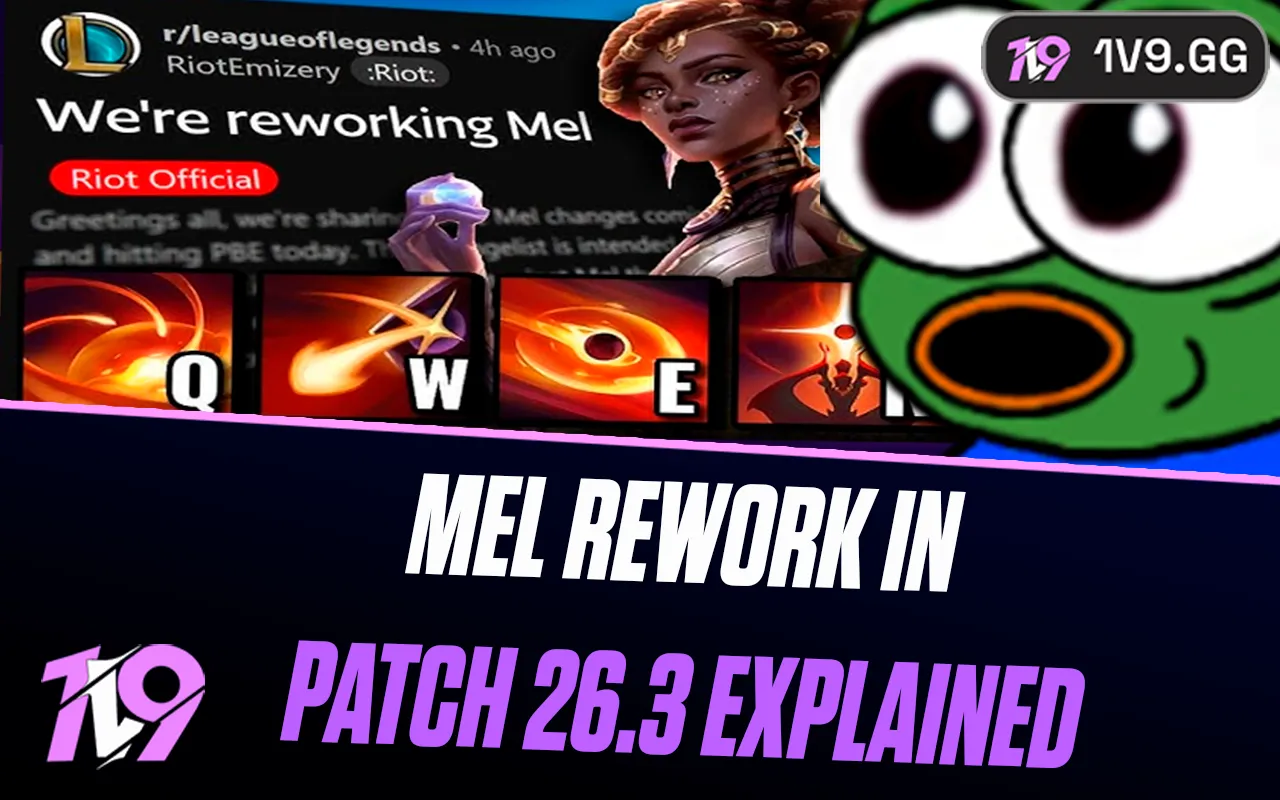

League of Legends Patch 26.3 Mel Rework Explained
League of Legends is no stranger to balance updates, but Mel’s situation pushed Riot into rare territory. After her release in January 2025 alongside the Arcane crossover, Mel instantly became one of the most frustrating champions to face in the entire game. Her ban rate exploded past 50% in nearly every rank, even though her win rate hovered around the mid-40s. Players weren’t banning her because she was dominating games — they were banning her because fighting her felt unfair, confusing, and uninteractive. Riot responded directly to that feedback on February 4, 2026, shipping a full kit overhaul for Mel in Patch 26.3 instead of simple number tweaks. This guide breaks down exactly why the rework happened, what changed in each part of her kit, how the new version plays compared to the old one, and what these updates mean for both Mel players and the people playing against her going forward.
Why did Riot Rework Mel in Patch 26.3?
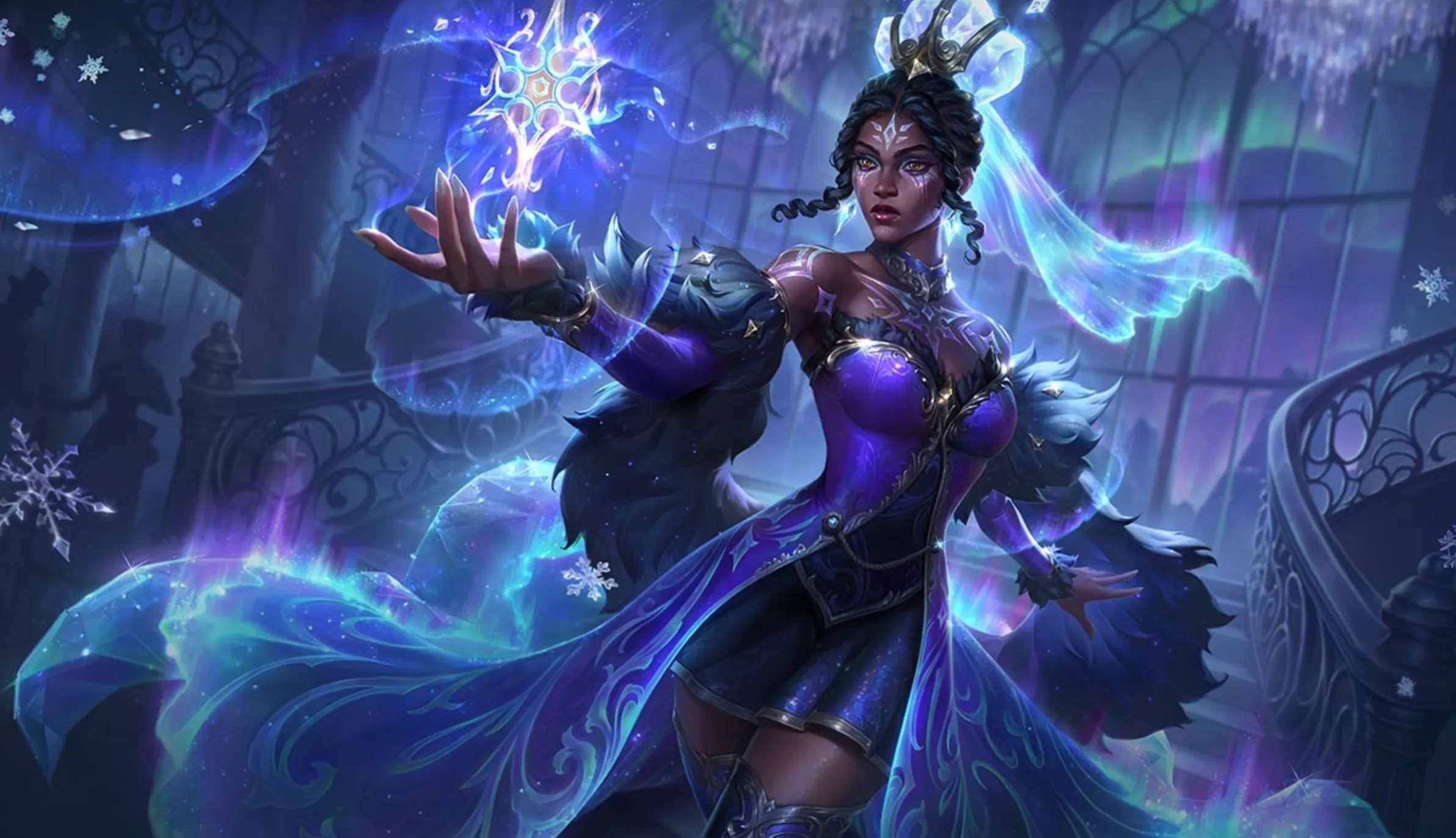
League of Legends reworked Mel in Patch 26.3 because her problem was never raw strength — it was how miserable she felt to play against. Even while sitting around a 40–46% win rate, Mel was being banned in over half of all games across many ranks. That kind of disconnect is a huge red flag for Riot. When a champion keeps losing but still gets removed from lobbies nonstop, it means players don’t feel they have real answers, no matter how well they play.
The biggest frustration point came from Mel’s W, Rebuttal. It granted full damage immunity, which erased entire abilities with a single button press. Champions that rely on timing and skillshots — like Fizz landing a perfect ultimate — could do everything right and still get completely shut down. For projectile-heavy champions, facing Mel often felt pointless, which quickly turned her into an automatic ban rather than a matchup to learn.
Riot openly admitted this mistake in the Patch 26.3 notes, explaining that they underestimated just how negative the play-against experience had become. Instead of small nerfs, they chose a full rework to fix the core issue: lack of counterplay. The goal wasn’t to delete Mel’s identity, but to make fights against her feel fair and readable again.
The rework focused on three clear objectives. First, opponents needed real punish windows when Mel misplayed, rather than watching their damage disappear. Second, her abilities needed stronger visual clarity so players could actually react to long-range pressure. And third, Mel herself needed to be rewarded for precision and smart timing instead of safely spamming abilities from afar. Patch 26.3 was Riot’s way of resetting that balance and making skill matter again on both sides of the matchup.
Mel’s Abilities in League of Legends Before Patch 26.3
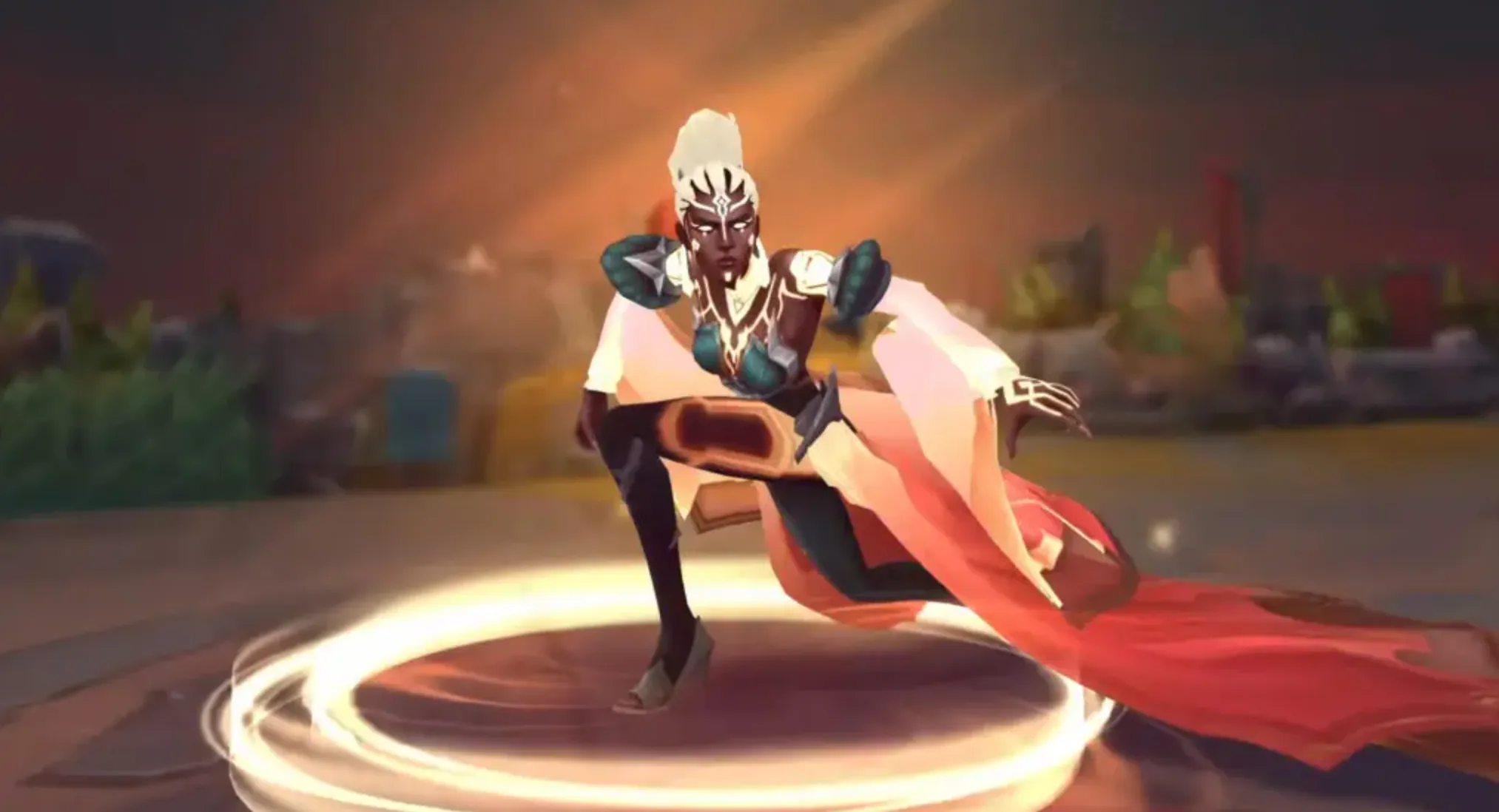
Base stats (pre-rework)
Before Patch 26.3, Mel’s fundamentals already felt off. Her attack speed ratio sat at just 0.4, which made basic attacks feel slow and clunky. Last-hitting under pressure and weaving autos during trades was noticeably harder compared to most mid-lane champions, especially early on.
Passive – Overwhelm (old version)
Mel’s passive applied Overwhelm stacks whenever her projectiles connected. After casting an ability, each empowered auto fired three projectiles, each dealing 8–50 base damage (by level) plus a 5% AP ratio. If all three hit, that added up to 24–150 base damage with 15% AP scaling per attack.
The issue wasn’t just damage — it was clarity. The projectiles moved fast and were difficult to track at range, and Overwhelm marks appeared on everything Mel hit, including minions. For enemies, this flooded the screen with unnecessary indicators, making it harder to focus on real threats during fights.
Q – Radiant Volley (pre-rework)
Radiant Volley required a 0.75-second channel before releasing a barrage of explosive shots. It dealt 78/109/144/185/230 total base damage with 51–85% AP scaling, and every explosion hit for full damage with no falloff.
The spell was extremely hard to dodge. Projectiles traveled at 4500 speed, the explosion radius was a massive 230 units with a wide spread, and the cast itself only took 0.25 seconds. Against minions, the spell dealt just 75% damage, so wave clear was awkward despite its power. Mana costs ranged from 70 to 110, forcing Mel players to be careful early. Because it counted as normal ability damage, it also refreshed Arcane Comet very reliably.
W – Rebuttal (original design)
This was the ability that caused most of the backlash. Rebuttal gave Mel complete damage immunity for a short window while reflecting incoming projectiles back at their source. Timing barely mattered — if W was pressed, the damage simply didn’t count.
Almost everything could be reflected. Single-target abilities like Jinx’s ultimate bounced back at full force, while multi-hit or area effects such as Samira R, Brand E, Ryze E, Katarina R, and Yunara Q were entirely turned against their owners. On top of that, Mel gained 30% decaying movement speed for 0.75 seconds.
Reflected physical damage was converted into magic damage after being returned at full value, meaning armor did nothing to protect you from your own ability. In some cases, building defensively actually made these reflections hurt more.
E – Solar Snare (before Patch 26.3)
Solar Snare fired a root projectile with an 80-unit hitbox at 1000 missile speed. When it reached max range or struck terrain, it lingered for 0.5 seconds before forming a damage-over-time zone with a 260-unit radius.
Root duration scaled from 1.1 to 1.5 seconds, so early ranks barely locked targets down. Base damage ranged from 60 to 220, with DoT ticks scaling from 16 to 56. With a massive 1050 cast range, Mel could control space from very far away, often without giving enemies much room to respond. Cooldown dropped from 12 to 10 seconds by rank, and the spell had awkward visual behavior when used on uneven terrain.
R – Golden Eclipse (original ultimate)
Golden Eclipse struck every enemy champion marked with Overwhelm anywhere on the map. Each stack dealt 4/7/10 base damage plus 3.5% AP, and targets were briefly revealed during the cast. Vision wasn’t required, allowing Mel to finish off low-health enemies through fog of war.
The ultimate needed at least one champion marked with Overwhelm to activate. Cooldown started at 120 seconds and dropped to 80 at max rank, with a 0.75-second cast time and 100 mana cost. While flashy and powerful, the lack of counterplay made it one of the most frustrating global effects in the game before the rework.
LoL Patch 26.3: Mel’s Full Ability Rework Explained
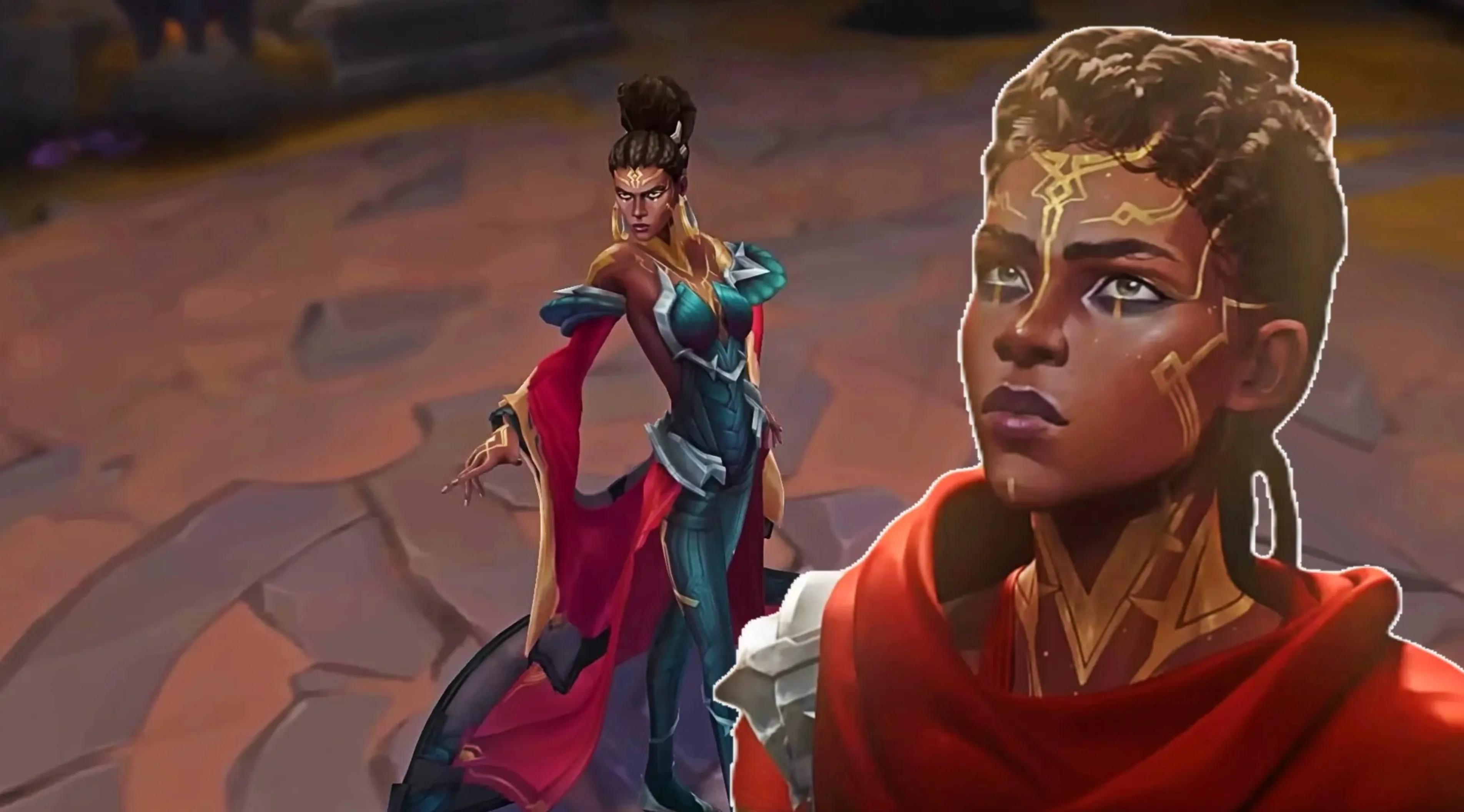
Patch 26.3 completely reshaped how Mel plays in League of Legends. The goal wasn’t just balance numbers, but to fix frustration, improve clarity, and add real counterplay. Below is a clean breakdown of how every part of her kit changed after the rework, written in a way that’s easy to understand and actually useful in-game.
Passive – Overwhelm (after rework)
Mel’s passive took a clear damage nerf, but gained massive quality-of-life improvements. Each projectile now deals 8–25 base damage instead of scaling all the way to 50, and the AP ratio dropped from 5% to 3% per projectile. Fully empowered autos now cap at 24–75 base damage plus 9% AP, compared to the old 24–150 plus 15% AP.
The biggest win here is clarity. Enemy players no longer see Overwhelm marks on minions or random units. Marks are only visible on champions, which removes screen clutter in fights. Mel herself still sees everything, so she doesn’t lose information. Riot also fixed a bug where certain summoned units instantly died to her passive. To compensate for the lower damage, Mel’s attack speed ratio jumped from 0.4 to 0.625, making autos feel smoother for farming and trading.
Q – Radiant Volley (reworked)
Radiant Volley was heavily restructured. Instead of massive repeated explosions, the first hit now does the bulk of the damage: 60/90/120/150/180 base damage with 60% AP. Any follow-up explosions only deal small chip damage. If every hit connects, total damage ranges from about 85 at rank one to 261 at rank five.
Projectile speed was reduced from 4500 to 3800, explosion size shrank, and the spread tightened. All of this makes the ability much more dodgeable at long range. Channel time was reduced from 0.75 to 0.5 seconds, so Mel casts faster, but the actual release time increased slightly, giving enemies clearer warning.
Mana costs are lower across the board, and Q now deals full damage to minions instead of 75%, fixing her wave clear. The ability now counts as damage-over-time AoE, so it no longer abuses Arcane Comet resets. Visual indicators were also improved so enemies can clearly see where the explosions will land.
W – Rebuttal (major redesign)
This is the most important change. Rebuttal no longer makes Mel invulnerable. Instead, it grants a shield worth 80–200 plus 60% AP. That means damage can actually break through if opponents commit properly.
Reflected physical damage is now reduced by 30% before being converted to magic damage, and multi-target projectiles get destroyed instead of reflected. Movement speed was buffed to 40% decaying over 1.5 seconds, giving Mel better repositioning even though the ability is no longer a “press to ignore damage” button.
The result is simple: mistiming W can now get Mel killed, especially against burst champions. Skill matters again on both sides.
E – Solar Snare (post-rework)
Solar Snare became harder to land but far more rewarding. The root projectile is thinner, lingers for less time, and the damage zone is smaller. Cast range dropped slightly, forcing Mel closer to fights.
In exchange, projectile speed increased, cooldowns were lowered, and the payoff is much stronger. Root duration is now a flat 1.5 seconds at all ranks, meaning early levels are far more threatening. Base damage and damage-over-time were both buffed, turning successful hits into real punish tools. Visual bugs tied to terrain were also cleaned up.
R – Golden Eclipse (Patch 26.3 changes)
Mel’s ultimate stayed mostly the same. Damage per Overwhelm stack received a small AP ratio buff, going from 3.5% to 4% AP. Cooldown, mana cost, cast time, and global range all remain unchanged. It still requires at least one marked champion and still works through fog of war.
This slight damage bump helps offset nerfs elsewhere without pushing the ability back into frustrating territory.
Overall impact of the rework
Mel after Patch 26.3 is less oppressive, more readable, and far more interactive. She no longer wins fights by pressing W at the right millisecond, but she’s also more consistent when played well. The rework rewards accuracy, timing, and positioning, while giving opponents real chances to fight back. That’s exactly what Riot was aiming for, and it shows in how her kit now functions moment to moment.
FAQs
Why was Mel reworked instead of just nerfed?
Mel wasn’t reworked because she was too strong statistically, but because she felt awful to play against. Even with a low win rate, her ban rate was extremely high since abilities like her old W removed counterplay entirely. Riot chose a rework to fix frustration, clarity, and interaction rather than just lowering numbers.
Is Mel weaker after the Patch 26.3 rework?
Overall damage is lower in some parts of her kit, especially her passive and Q spam, but she’s not strictly weaker. She’s more consistent, smoother to play, and more rewarding when abilities land correctly. The rework shifted power from unavoidable effects into skill-based impact.
What was the biggest change in Mel’s kit?
The removal of full damage immunity from her W (Rebuttal). It now provides a shield instead of making her untouchable, which creates real punishment windows and allows burst champions to counter her properly.
Did Mel’s playstyle change after the rework?
Yes. Pre-rework Mel could play very safely at long range and rely on immunity to survive mistakes. Post-rework, she needs better positioning, timing, and accuracy. Landing E is more important, and mistimed W uses can now get her killed.
Is Mel healthier for the game now?
Yes. The Patch 26.3 rework made Mel far healthier for League of Legends overall. Enemies have clearer visuals, more counterplay, and meaningful ways to punish her, while Mel players are rewarded for good mechanics instead of abusing frustrating mechanics.
Conclusion
The Mel rework in Patch 26.3 marks a clear shift in how League of Legends handles frustrating champion designs. Instead of simply nerfing numbers, Riot rebuilt Mel around clarity, counterplay, and skill expression, removing mechanics that felt unfair while keeping her core identity intact. She’s no longer a champion that wins by denying interaction, but one that rewards good timing, positioning, and accuracy. Opponents now have real chances to dodge, punish mistakes, and fight back, while Mel players who master her kit can still have a strong impact. Overall, Patch 26.3 turns Mel into a healthier, more balanced champion for the game, improving both sides of the matchup and setting a better standard for future reworks.
Posted On: February 7th, 2026
Recent Articles


Our 1v9 support team is available 24/7 to help you with any questions or issues you may have.
support@1v9.gg
Loading...
1v9.gg is not endorsed or affiliated by any game developers or publishers.
2026 1v9, All Rights Reserved, Created By Ritesh (riteshsahoo.com)